- Nesa became increasingly worried when her son Armani, who has autism, began collapsing, struggling to breathe, and experiencing episodes of paralysis that doctors couldn’t explain
- Nesa took Armani to Türkiye, where specialists diagnosed him with a rare genetic disorder which affects muscle and heart function and can cause dangerous drops in potassium levels
- Now six, Armani is receiving specialist care across several countries
Here Nesa Morey, 41, Timaru, NZ tells her own story in her own words
Chasing each other around the house, my boys, Armani, four, and Arcadia, three, were creating a ruckus.
‘Calm down boys,’ my husband, Josh, 35, said firmly.
But both of us secretly loved the chaos – the boys playing with balloons or banging away on their little drums while my daughter, Aurora, 11, played the piano.
Armani was diagnosed with non-verbal autism when he was three and required constant care. The siblings understood each other through giggles, glances and hand gestures.
One night in May 2025, I woke up to the sound of Armani gasping for air. He was making a, deep, choking sound. Within minutes, his little body stiffened and it looked like he was having a seizure.
‘Call an ambulance,’ I screamed.
READ MORE: Medical miracle: Our boys share a heart
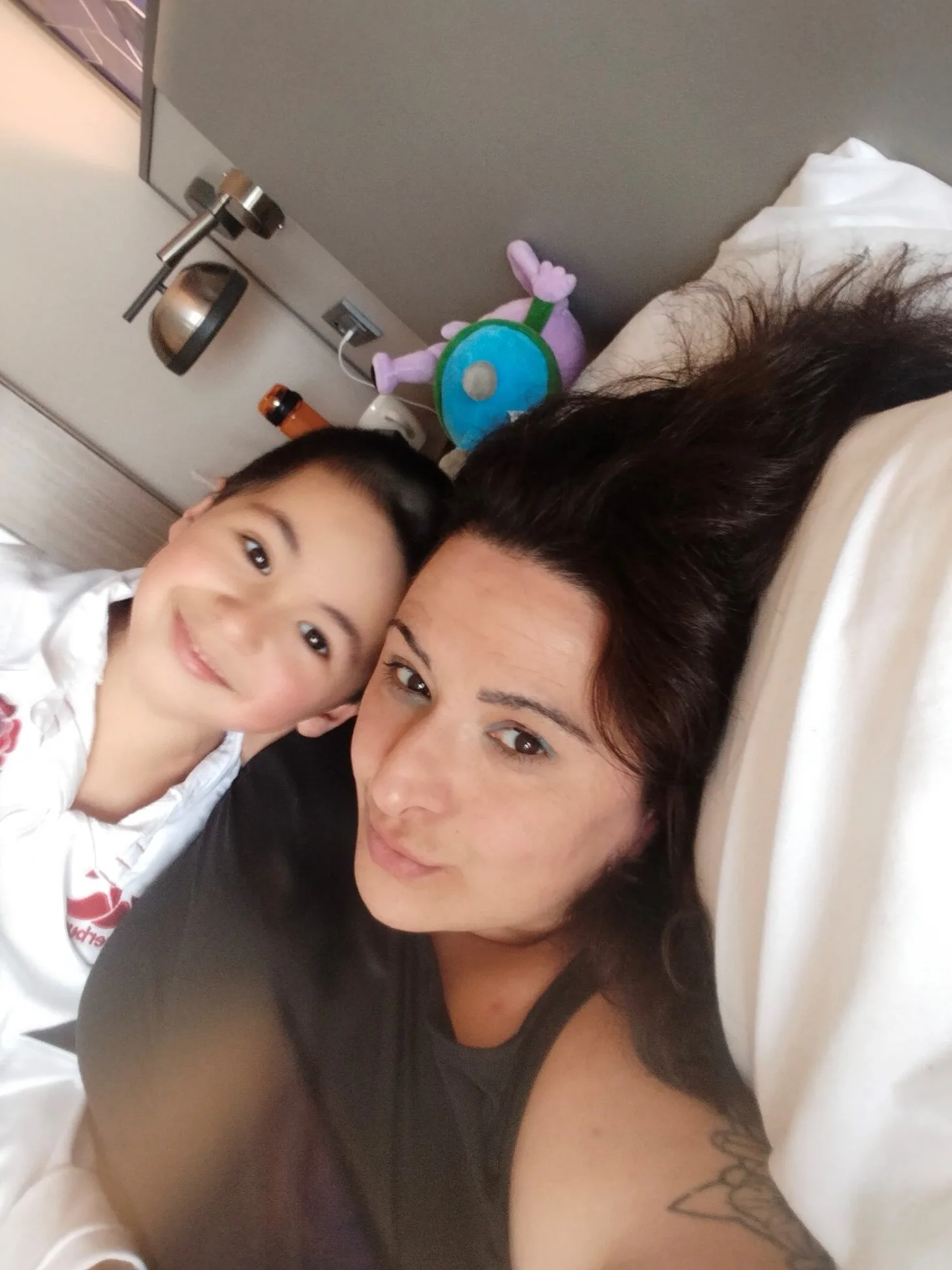
He was rushed to the local hospital and given a steroid injection, which helped his breathing.
Doctors said his symptoms were possibly caused by stress or a viral infection and sent us home.
I’d been diagnosed with channelopathy, a genetic condition affecting the tiny channels that carry electrical signals in the body. As a result, I had to manage neurological and muscle symptoms, including paralysis.
I asked for Armani to be tested too, but doctors dismissed me.
Two days later, Armani passed out while eating.
‘Wake up,’ Arcadia yelled, crying.
Back at the hospital, doctors had no idea what was causing the symptoms.
‘It could be related to his autism diagnosis – maybe a meltdown,’ docs said.
But I knew my boy.
‘It’s more serious,’ I said, trusting my gut feeling.
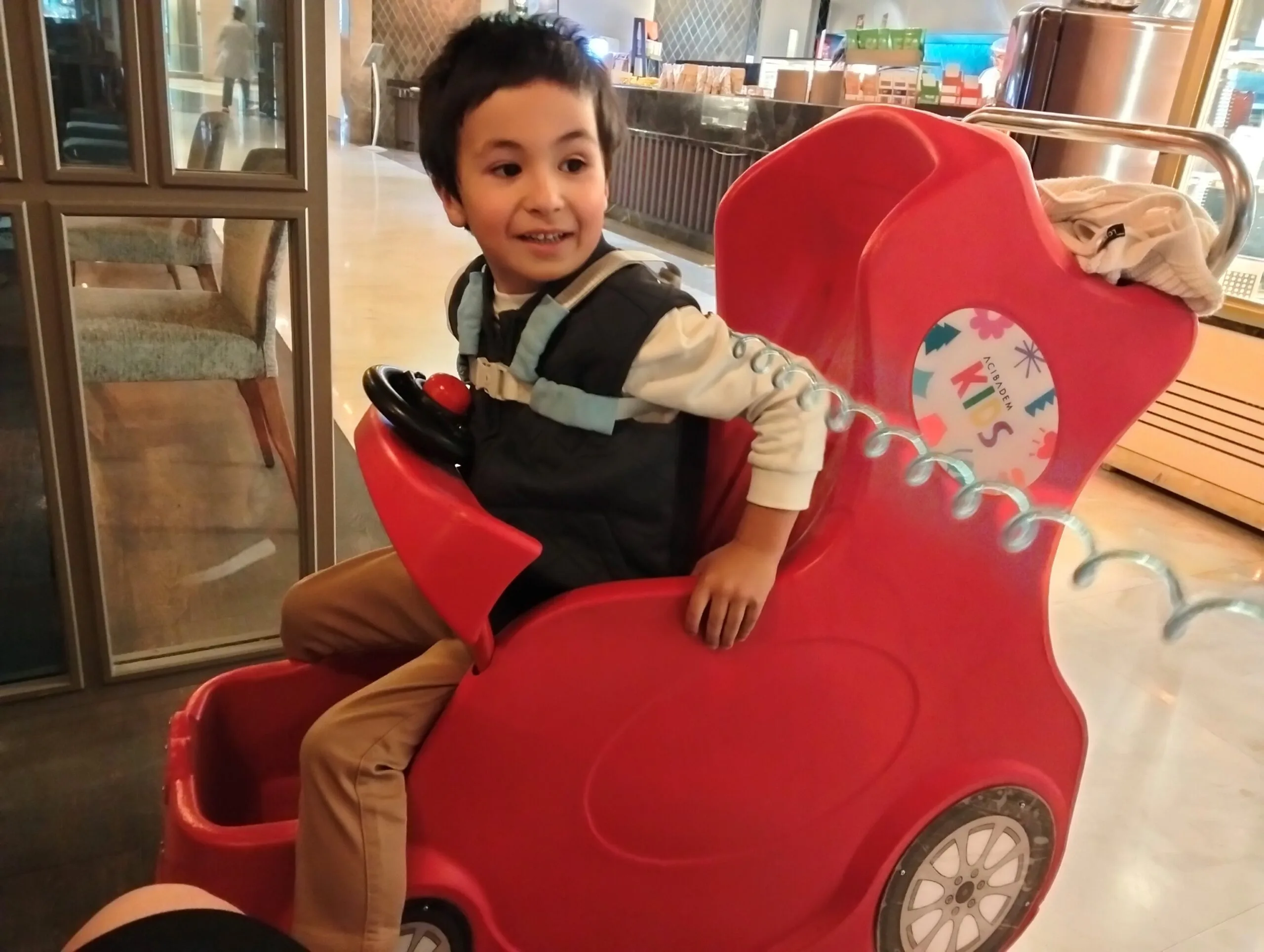
Within two weeks, he was sleeping for up to 16 hours a day. One day, he just woke up and then collapsed. It was terrifying.
Doctors ordered a brain scan, but it was clear.
By the sixth week, even one bite of food could make Armani’s body curl into a foetal position before he passed out. He survived on just a few spoonfuls of breastmilk.
In July, after another turn, I flew Armani to Starship Children’s Hospital in Auckland. Blood tests revealed his low potassium levels were causing muscle weakness or paralysis, as if he was frozen, but there were no further answers.
Slowly, we worked out his triggers – too many carbs, running, getting cold, or overexertion could cause his potassium levels to drop. Once we became mindful of his activities, the episodes fell from 20 to 25 a month to around two.
But we were still desperate for answers.
Having grown up in Türkiye I knew there were specialists who treated complex genetic conditions, so in February 2026, Armani and I made the 32-hour journey there.
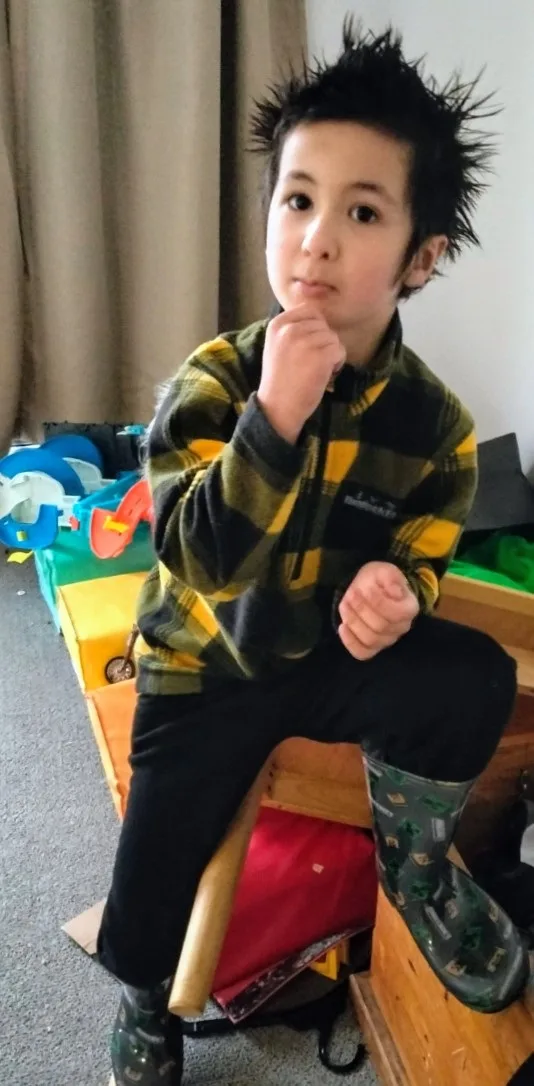
A team of neurologists, cardiologists, nephrologists and endocrinologists assessed Armani and did genetic investigations.
By April, specialists had identified that Armani has an Andersen–Tawil channelopathy phenotype associated with a rare KCNJ12 variant inherited from his mother, with physical features and clinical symptoms including periodic paralysis and cardiac rhythm disturbances.
This is not the classic KCNJ2-related Andersen–Tawil syndrome type 1.
The condition affects the ion channels that control electrical signals in the muscles and heart.
‘This means sudden paralysis, dangerous changes in his heart rhythm and dramatic drops in potassium, leading to fainting,’ the doctor said.
They told me it was a very rare combination.
I broke down with relief at finding some answers.
The specialists said that, with the right treatment, Armani’s muscles and diaphragm could function better and he could even talk one day.
His heart would need to be constantly monitored.
READ MORE: I was born without a womb… so my sister had my baby’
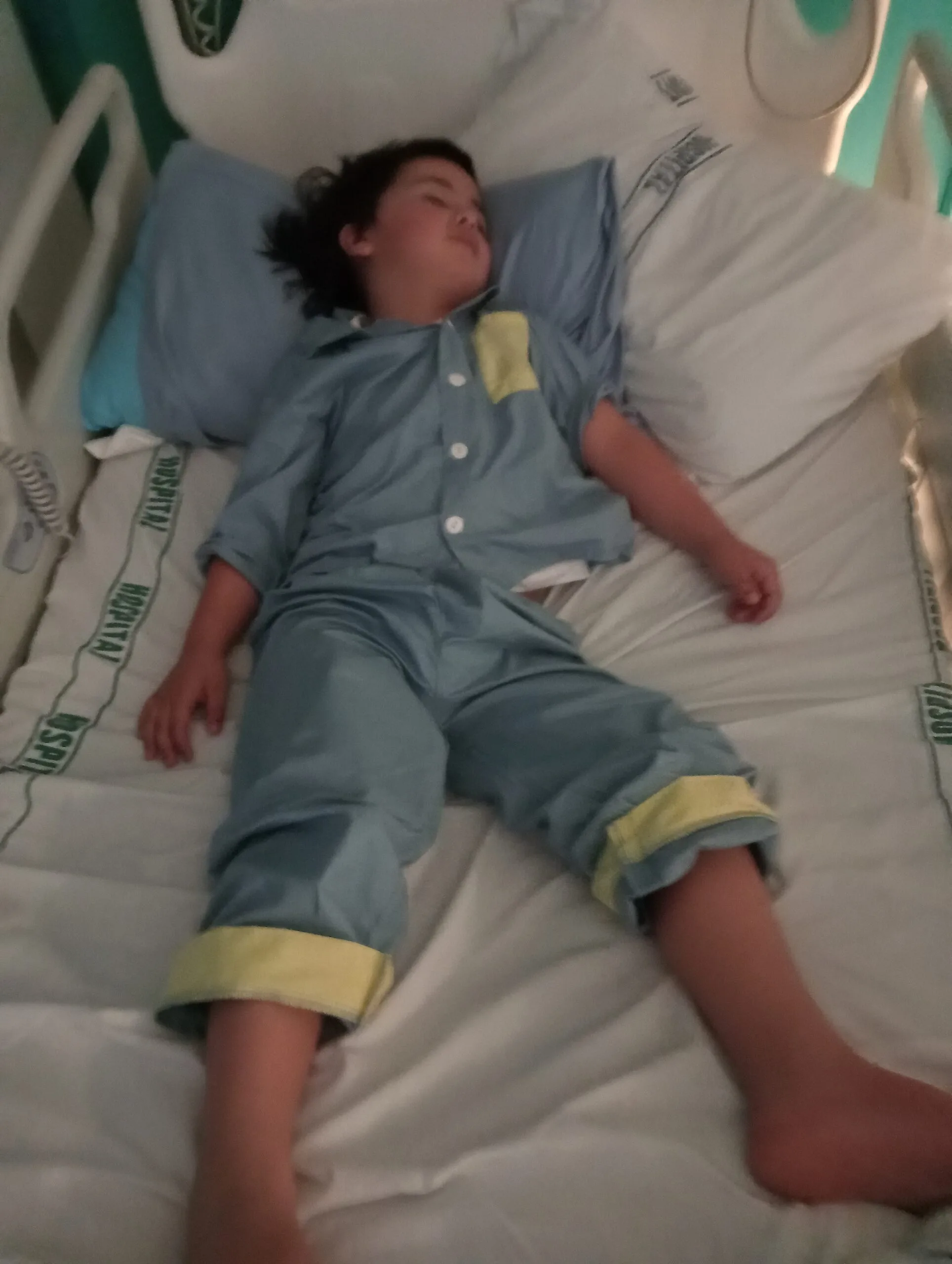
He also needed treatment for his issues with potassium.
After three months, we returned home, but he had a long way to go.
As treatment is pending, the paralysis can happen anytime. He can eat now, and although he loves pasta and chocolate, we must watch his carbs.
Playing with Aurora, 13, and Arcadia, four, he musn’t overexert.
‘If Armani eats some foods, he can end up back in hospital,’ I told the kids.
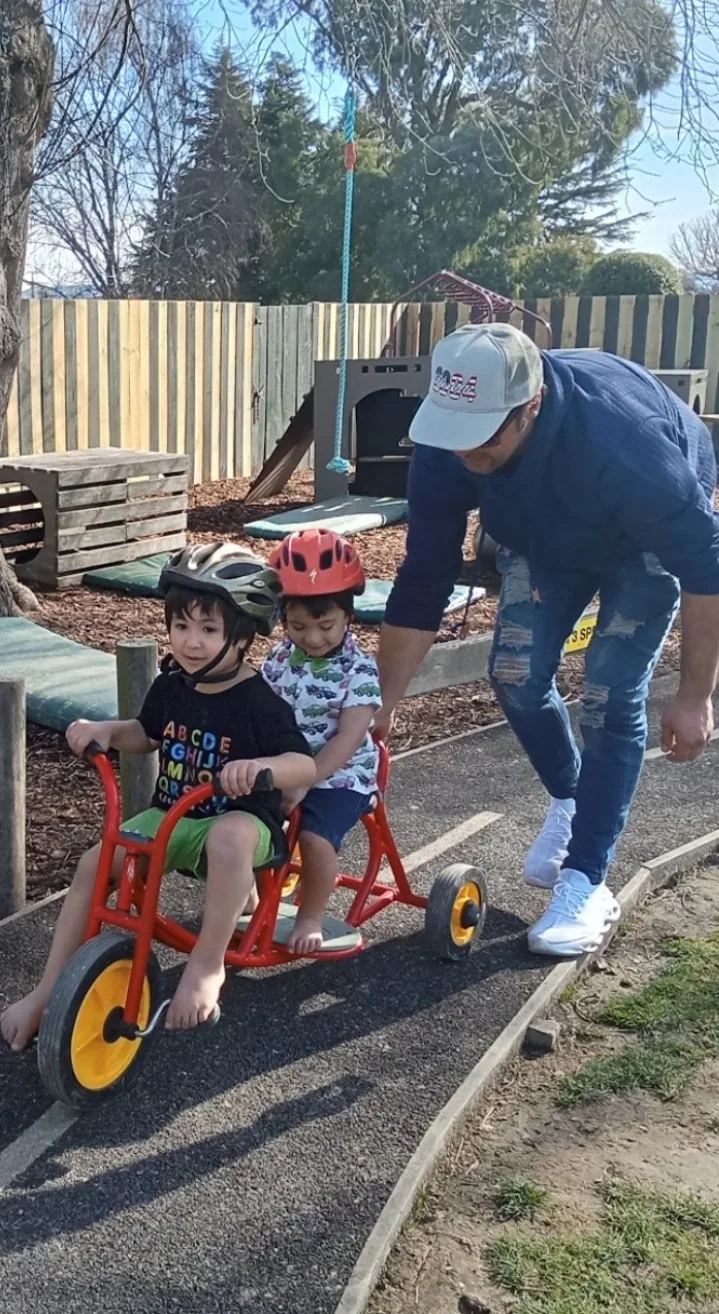
Armani is six now and, on a good day, Josh is teaching him how to ride a bike. He is back to being his happy self, but every day is still a struggle as we must watch him 24 hours.
He’s now under the care of specialists across several countries and has been accepted as a patient at a hospital in the US, which specialises in his condition.
We don’t know what the future will look like, but I’m determined to keep fighting for my little miracle.
To donate to Armani, visit givealittle.co.nz/cause/standing-for-armani-a-little-boy-fighting-a-rare

Related stories
Native ad body.
Native ad body.
Native ad body.