- From discovering murder victims to investigating child sexual abuse Narelle Fraser saw a lot during her 27 years in the Victoria Police force
- The experiences left Narelle battling nightmares, hypervigilance and PTSD, eventually forcing her into medical retirement in 2015
- Through counselling she discovered that strength isn’t about hiding emotional pain – it’s about acknowledging trauma and having the courage to ask for help
Here Narelle Fraser, 67, from Victoria shares her story in her own words
Waking suddenly, my heart pounding, I stifled a scream as my brain processed vile images from earlier that day. Then I felt my husband, Lloyd, beside me.
‘It’s all right,’ he whispered, pulling me close.
I’d been having another nightmare, but I couldn’t tell Lloyd about the sickening, monstrous scenes replaying in my head.
I knew he’d listen, but I didn’t want to burden him with the horrors I’d carried home from my work as a detective.
‘Just a bad dream,’ I whispered as he held me.
The love of my life, we’d met in 1991 when I was on patrolling duty at Barwon Heads, Victoria. I was 31 and he was 39. I loved how gentle he was – such a contrast to the violence I witnessed at work.
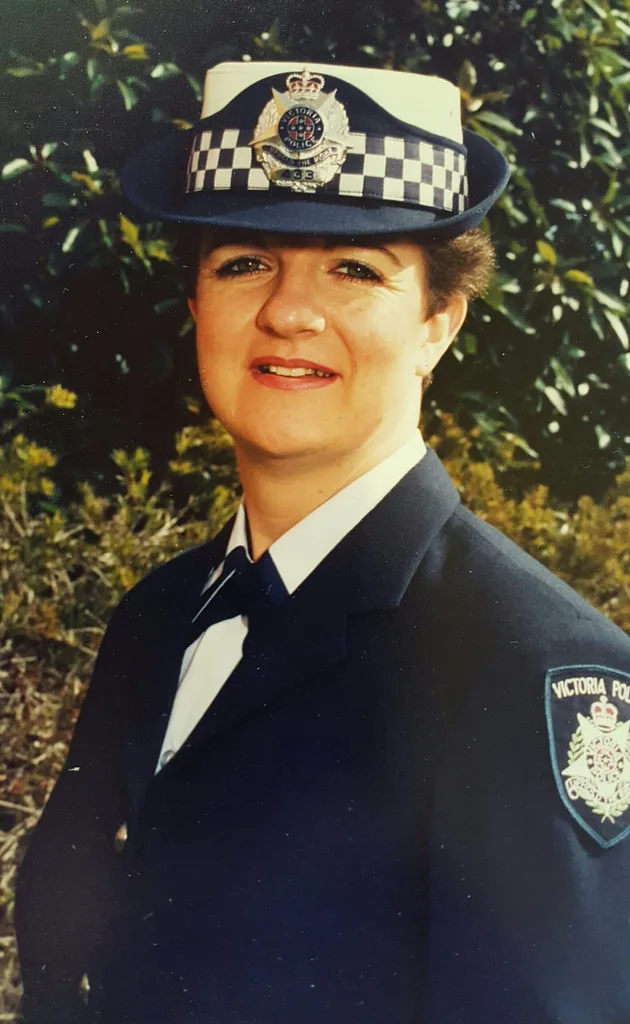
Wanting to help people, I joined Victoria Police in 1987 after working as a Lifeline counsellor. Before that, I’d worked as a secretary, having left school at 15.
At the police academy, I learned how to protect myself and others, fire a gun and handcuff offenders.
What they didn’t teach us was how to deal with what we would see afterwards.
I graduated in August 1987, aged 27.
Constable Narelle Fraser, I thought proudly.
READ MORE REAL LIFE: Alissa was doing a good deed when she found love in the donor chair
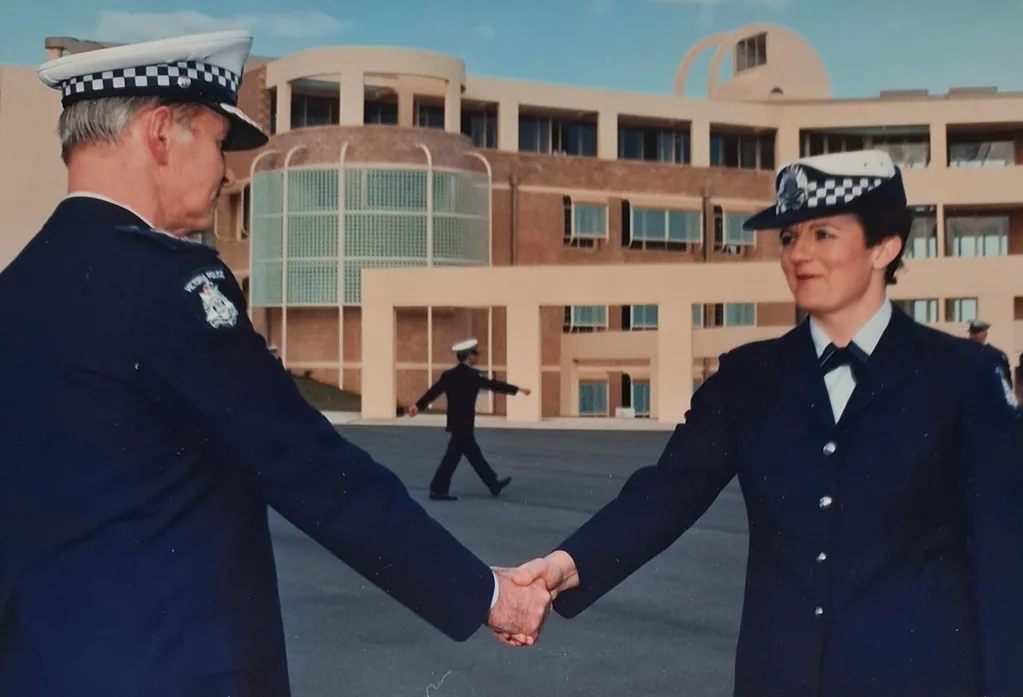
Things were very different for women back then. Some male officers didn’t want us as partners because they believed we weren’t as strong as them.
We wore skirts instead of trousers, and they’d only just phased out women wearing heels and carrying their guns in handbags.
Six months later, we were called out to a job at a petrol station.
Horrifyingly, a young woman was on fire.
I threw a blanket over the burning body to put out the flames but she was horribly burned.
Then I heard her speak.
‘Narelle, it’s me,’ she whispered.
An hour earlier, I’d dropped her at her parents’ house, distressed because her and her boyfriend had broken up.
She’d poured petrol on herself and set herself alight. Tragically, she died on the way to hospital.
I had to deliver the death message to her family. It was one of the worst things I’ve ever had to do.
READ MORE REAL LIFE: I thought my shopping trolley was safely parked, then my toddler rolled away
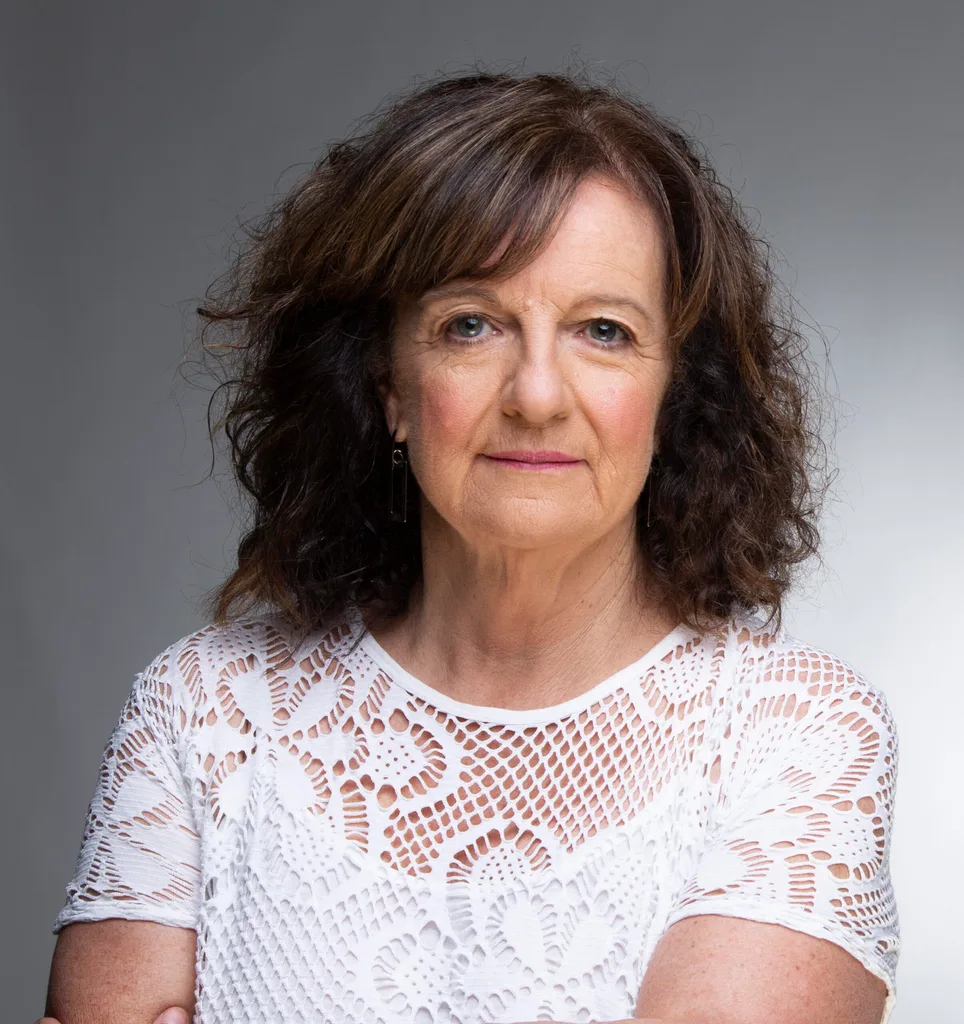
In 1998, two local police officers were brutally murdered in Melbourne.
After that, I could never switch off my hypervigilance. In a restaurant, I’d look for the nearest exit. In a crowd, I’d scan the room. There was never a break.
I wanted to become a detective so I could investigate major crimes, but first I had to pass the exams. I studied until midnight, got up at 4am and lived with anxiety.
I was always near the bottom of the results list, but eventually passed.
I was thrilled. Then came the truly horrific cases.
When mum-of-two Maria Korp, 50, went missing in Melbourne in 2005, I had nightmares that I wouldn’t be able to save her.
Four days later, we found her car. It was summer and temperatures had reached 40 degrees.
When we opened the boot, the smell of rotting flesh hit us. Some detectives fainted – others were sick.
Holding back tears, I put my head against her chest. Just in case...
Suddenly, I felt the tiniest movement. She was alive!
‘You’re safe now. Nobody will hurt you again,’ I told her.
Her husband Joe Korp and his mistress Tania Herman were charged with attempted murder.
Maria sadly died a few months later. Joe Korp died by suicide on the day of her funeral.
After pleading guilty, Tania Herman, then 38, was sentenced to 12 years in jail.
Another dreadful case involved a missing pregnant mother named Anna Kemp and her toddler, Gracie. We found their bodies in a landfill, wrapped in a blue tarpaulin.
Some things you can never unsee. They’d been brutally murdered with a speargun by Anna’s husband and Gracie’s dad, John Myles Sharpe, the man they should have most been able to trust.
In another case, I had to examine around 1700 videos of child sexual abuse over two days – the only police work that ever made me physically sick.
By my 53rd birthday, I felt as though my whole world was imploding.
‘When is this world going to be kinder?’ I wept.
I went to my GP who quickly diagnosed me with PTSD. I never returned to my station and, in September 2015, I was medically retired.
I’d worked as a police officer for 27 years – 15 of them as a detective across the Rape and Homicide Squads and the Missing Persons Unit.
For almost three decades, I’d dedicated myself to child abuse, rapes, sexual offences and murders.
They took my ‘Freddy’ – my police ID. But they hadn’t just taken a piece of plastic – they had taken my identity. I felt humiliated, embarrassed and weak. Who was I if I wasn’t a police officer?
For the next three years, I underwent intensive counselling, and slowly realised it wasn’t weakness to show emotion.
In 2020, I began a podcast called Narelle Fraser Interviews about the emotional impact of crime on victims, witnesses and police. A playwright heard one of my podcasts, and my life became a documentary.
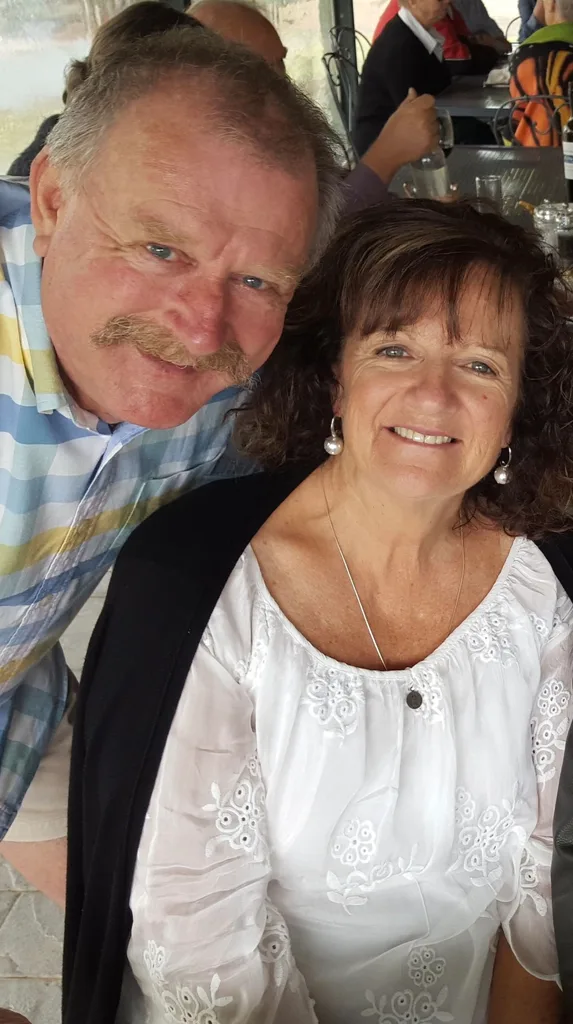
Lloyd has always been very proud of me, but watching it was difficult for him. Some of what he saw are things I never told him.
Now he understands why I flinch when I see a blue tarpaulin at a building site, wondering if there might be a dead body beneath it.
After all these years, I’ve finally learned being strong doesn’t mean pretending you’re unaffected.
Sometimes strength is admitting you’re hurting and asking for help.
And sometimes, when the nightmare comes, it’s simply allowing the person beside you to hold you until it passes.
‘The Policewoman’ is in cinemas now.

Related stories
Native ad body.

Native ad body.

Native ad body.