- A proud Gunditjmara man, Reg Saunders made history in 1944 when he became the first Aboriginal Australian commissioned officer in the Australian Army
- From surviving 11 months hiding from German soldiers on Crete to commanding troops during the Korean War, Reg’s extraordinary military career was marked by courage and leadership
- Despite facing racism and discrimination, Reg dedicated his life to serving others, receiving an MBE in 1971 for his work with Indigenous communities
Here James Saunders, 41, from Beaconsfield, NSW, tells his story in his own words
*Aboriginal and Torres Strait Islander people are advised that this story contains images of deceased people
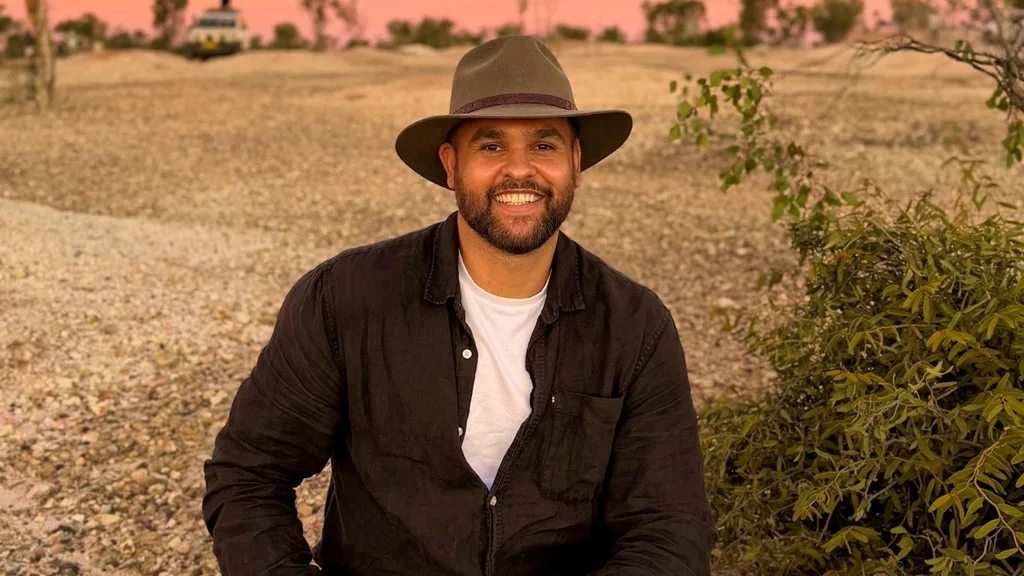
Walking into my uncle Reg’s Canberra home, I was enveloped by warmth.
I was four and Uncle Reg, then 68, was sitting in an old armchair with a blanket draped across his lap.
I gave him a hug as he let out a huge, hearty laugh.
While he chatted with my parents, Margaret and Keith, I happily sat on his knee.
As I was growing up, Uncle Reg was often spoken about in our family.
Mum had been close to him and his second wife, Auntie Pat, and filled us with stories about him.
He’d served in the Army and was deeply loved and respected, both by our family and throughout the Indigenous community.
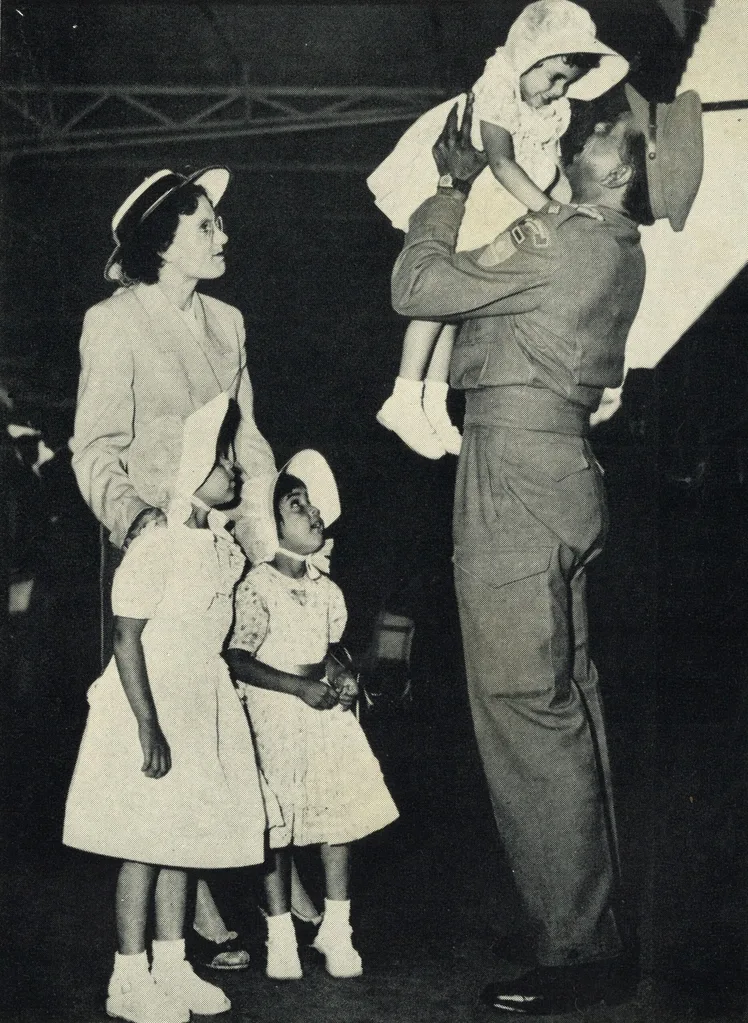
‘Family was everything to your uncle,’ Mum said, explaining how much he adored his children – Barbara, Glenda, Dorothy, Judith, Elizabeth, David, Christopher, Hilary, Maggie and Andrew.
Sadly, in 1990, Uncle Reg died from coronary artery disease, aged 69.
But I never forgot his lovable laugh.
When I was 14, I opened my textbook at school and spotted a familiar face staring back at me.
It was Uncle Reg! There was a whole section dedicated to his story.
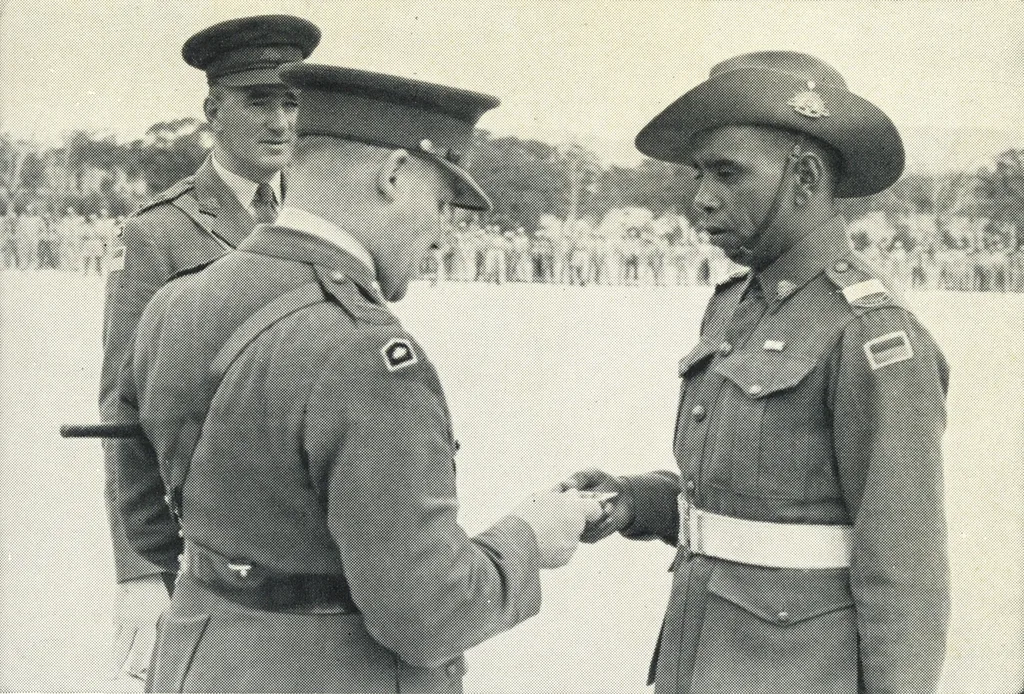
‘That’s my uncle!’ I said to my classmates.
Only then did the magnitude of his achievements truly hit me.
Born near Framlingham Aboriginal Reserve in western Victoria in August 1920, Uncle Reg was a proud Gunditjmara man.
After his mum, Mabel, died, his dad, my grandfather Chris, refused pressure to have Reg and his younger brother, Harry, adopted, instead raising them surrounded by family at Lake Condah.
My grandfather had served in the Army during the First World War and, when World War II broke out, Uncle Reg followed in his footsteps, walking 115km from his home to enlist in April 1940, when he was just 19.
His service took him to Libya, where he was shot at by enemy aeroplanes. Luckily, he survived the attack, moving on to fight in Greece.
Afterwards, en route to Crete, the ship he was travelling on was bombed and sunk. Uncle Reg managed to scramble aboard another.
When the Allied forces evacuated Crete in 1941, Uncle Reg was among those left behind.
For 11 terrifying months, he evaded capture by German soldiers.
Moving mostly at night, he hid during the day while incredibly brave Cretan villagers risked their own lives to feed and shelter the Allied soldiers.
After Uncle Reg escaped Crete, tragedy struck when his beloved little brother, Harry, was killed, aged 19, fighting in New Guinea in 1942. Devastated, Uncle Reg continued serving.
READ MORE REAL LIFE: ‘Our fight for the Stolen Generation’
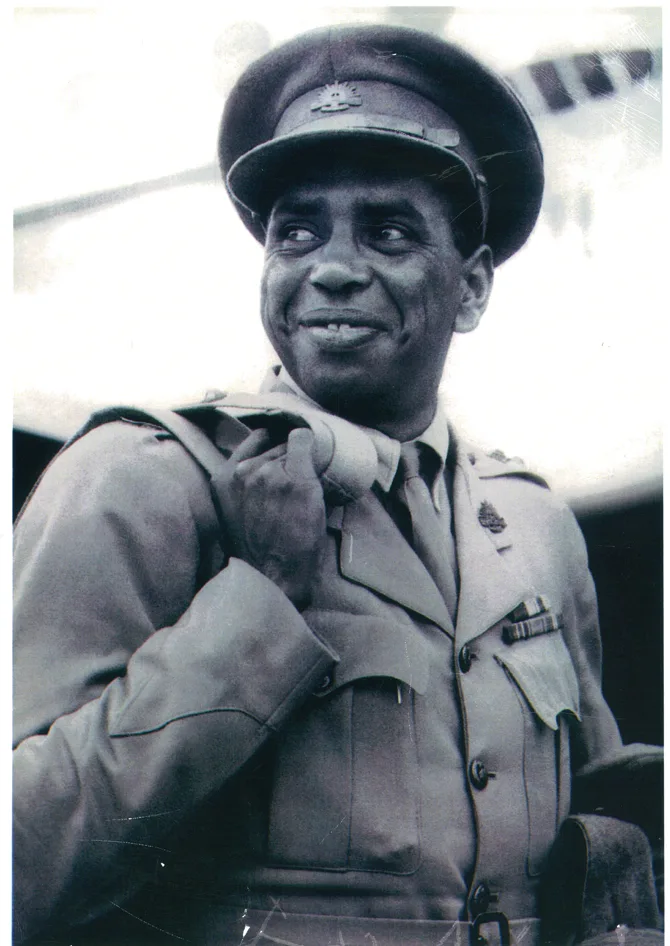
In New Guinea, his leadership saw him recommended for officer training.
Then, in November 1944, Uncle Reg made history after being promoted to lieutenant, becoming the first recognised and acknowledged Aboriginal Australian commissioned officer in the Australian Army. He was just 24.
My pride grew knowing my uncle, an Aboriginal man, was trusted to lead Australian soldiers at a time when his own people at home were denied so many rights.
Despite earning enormous respect in the Army, being back in civilian life was different.
Landlords rejected Reg and his family when they realised he was Aboriginal, and he experienced racism working as a tram conductor. Still, he refused to be defined by it.
When the Korean War began, Reg volunteered again, eventually becoming a captain and commanding troops at the Battle of Kapyong.
He believed in service and, I think, had missed the camaraderie, leadership and respect of Army life.
He retired from service in 1954.
Later, Reg worked with Indigenous communities through the Department of Aboriginal Affairs and, in 1971, received an MBE from Queen Elizabeth II for his community service.
In spring 2010, I bumped into Reg’s son Andrew.
We hadn’t seen each other since I was a child. After that, Andrew would visit my apartment and tell me incredible stories about his dad.
In February 2024, after our family was approached about writing Reg’s story, his daughters Glenda and Hilary came to me.
READ MORE REAL LIFE: ‘ANZAC hero: WWII nurse Marie married a returned soldier she helped heal’
‘Would you be interested?’ they asked.
I’d been fascinated by Uncle Reg’s story for years, and I’d also worked on documentary films and in Indigenous media.
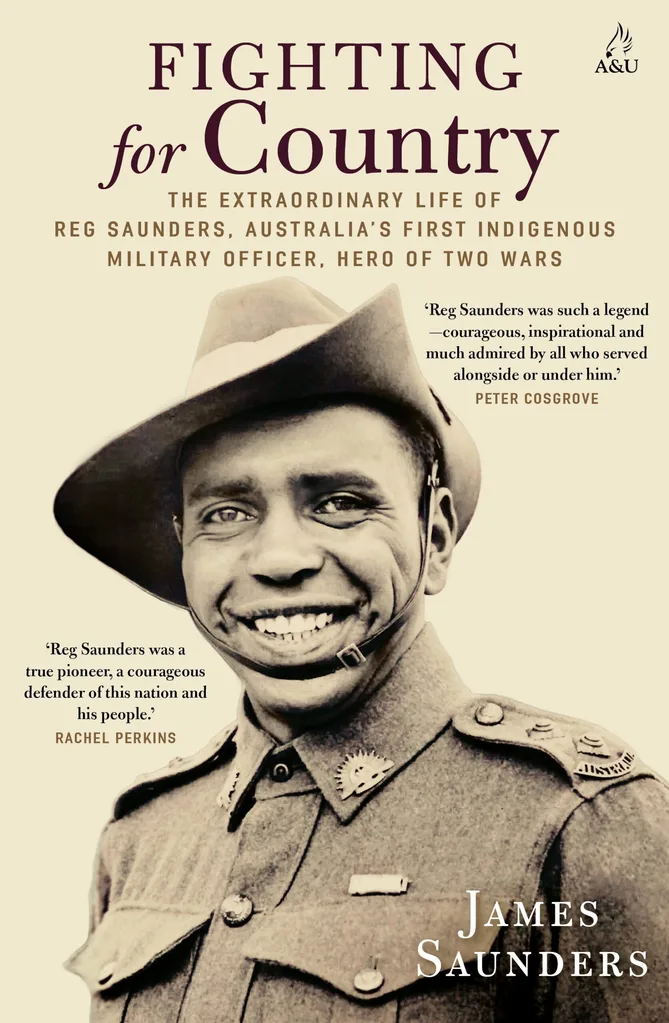
So I set about researching family stories, military archives and historical records for the book, Fighting for Country, and discovered even more about my uncle.
One of my greatest discoveries was footage of Reg and his son Christopher on The Mike Walsh Show in the 1970s. As I watched, his personality shone through.
Then he laughed. Instantly, I was four again, hugging Uncle Reg. It was the same huge, hearty laugh I’d never forgotten.
Writing my first book, I often felt as though Uncle Reg and Andrew, who’d since passed in his late 50s, were beside me, guiding me through.
More than anything, I wanted to tell the story of the man behind the medals.
Uncle Reg faced war, loss and discrimination, yet lived with dignity and love.
He was a trailblazer, and his story fills our family with immense pride.
To us, his legacy is one of pride, dignity and, above all, love.
James’ book ‘Fighting for Country’ is available on Amazon.


Related stories
Native ad body.
Native ad body.

Native ad body.