We know we need it to survive, but when it comes to water, there’s plenty of advice floating around that doesn’t necessarily hold up.
From the eight-glasses-a-day rule to claims your morning coffee is secretly dehydrating you, here’s what you really need to know.
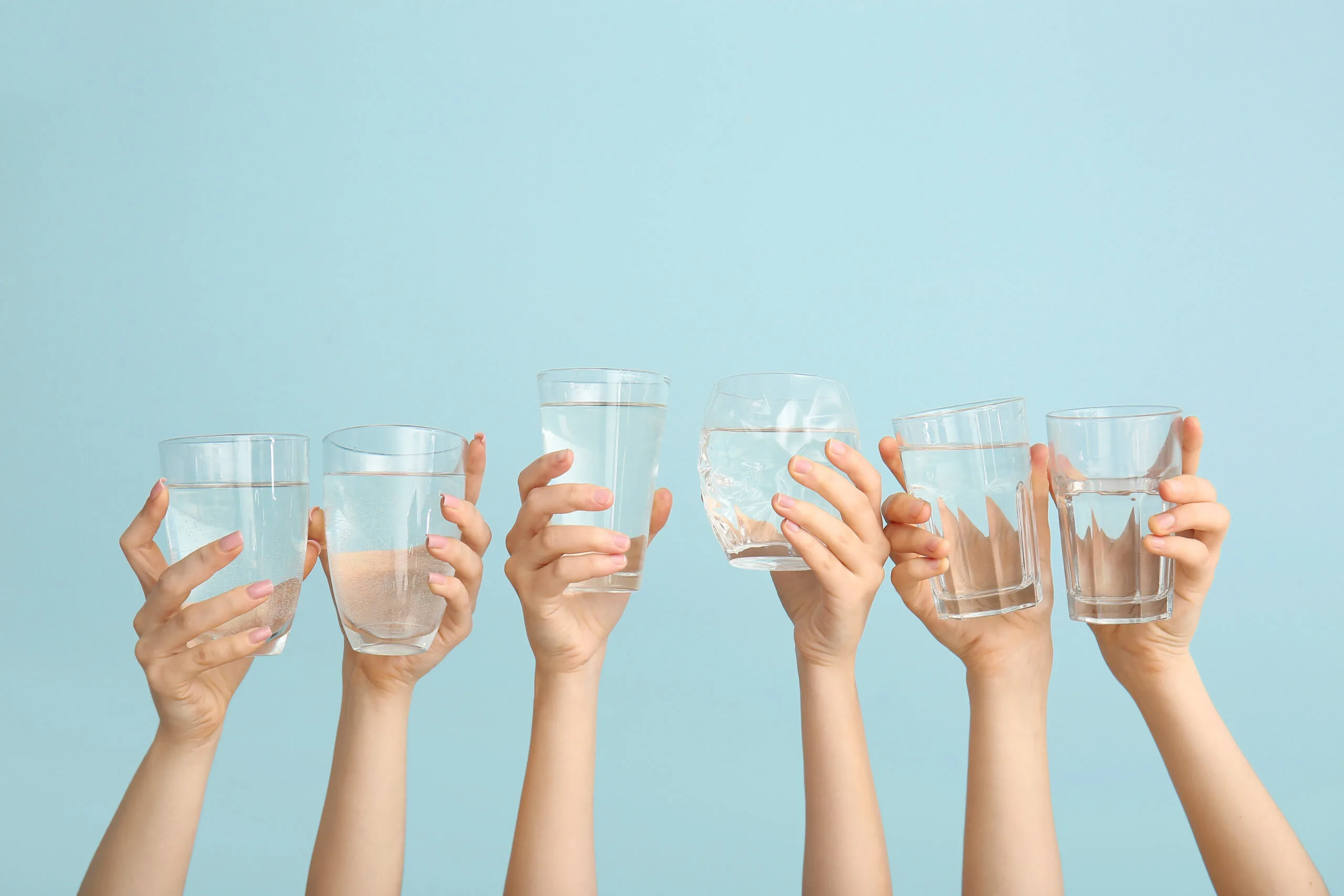
Myth 1: Everyone needs eight glasses a day
There’s no one-size-fits-all amount. Australian guidelines suggest adult women aim for around 2.1 litres – or eight cups – of fluids a day, while men should aim for around 2.6 litres, or 10 cups.
But how much you need can vary depending on factors such as how active you are and the climate you live in. Pregnancy and breastfeeding can also leave you needing more.
According to Australian guidelines, pregnant women aged 19 to 50 should aim for around 2.3 litres – or nine cups – of fluids a day. While breastfeeding, that increases to around 2.6 litres, or 10 cups, to help account for water lost through breast milk.
Myth 2: Coffee dehydrates you
Good news for coffee lovers – moderate amounts of tea and coffee can contribute towards your daily fluid intake.
That doesn’t mean it’s a good idea to live on lattes, though. Healthdirect recommends healthy adults consume no more than 400mg of caffeine a day from all sources – roughly the amount in four instant coffees, although caffeine levels vary considerably depending on the type and size of your brew.
If you’re pregnant or breastfeeding, it’s recommended you keep your caffeine intake below 200mg a day – one espresso, two instant coffees, or four cups of tea.
Myth 3: You can’t drink too much water
While it’s difficult for most people to overdo it, drinking an excessive amount of water can be dangerous.
Rarely, consuming too much can cause hyponatraemia, where sodium levels in the blood become dangerously low. This can happen during intense endurance exercise, such as running a marathon, when someone drinks more water than their body can get rid of, diluting the sodium in their blood.
Myth 4: Sparkling water doesn’t hydrate you
Prefer your water with a little fizz? Good news – sparkling water can hydrate you just like still water and is another way to get your daily fluids in.
There is one thing worth keeping in mind, though – your teeth. Research published in JADA Foundational Science found that some flavoured sparkling waters have the potential to erode tooth enamel.
The issue is acidity rather than hydration. Acidic drinks can gradually wear away the protective enamel on your teeth, particularly when consumed frequently. So while sparkling water can certainly count towards your fluids, plain still water remains a tooth-friendly choice for regular sipping throughout the day.

Myth 5: You need a sports drink every time you exercise
Heading out for a workout? You don’t necessarily need to grab a brightly coloured sports drink.
For most everyday exercise, water is a good choice for replacing the fluid you lose through sweat. Sports drinks containing carbohydrates and electrolytes may be useful during prolonged or strenuous exercise, particularly when you’re sweating heavily, but they aren’t necessary every time you work up a sweat.
And remember, sports drinks can contain plenty of sugar and kilojoules, so they’re not designed to be an everyday replacement for water.
Myth 6: Lemon water ‘detoxes’ your body
Adding a squeeze of lemon can make water tastier – and if that encourages you to drink it, great!
But you don’t need special ‘detox’ water to cleanse your body. Your liver and kidneys already work around the clock processing substances and removing waste from your body.
So enjoy that lemon water, just don’t expect it to perform a magical internal spring clean.

Myth 7: Water has to come from a glass
Surprisingly, not all the water your body needs has to be drunk.
Fruit and vegetables, soups and other water-rich foods all add to your total. Australian data suggests around a quarter of adults’ total water intake comes from food, with the remainder coming from drinks.
So that juicy slice of watermelon or bowl of soup really does contribute towards keeping you hydrated.
The bottom line
Water might not magically detox your body or come with a simple eight-glass a day target, but getting enough fluid matters. Water helps regulate body temperature, carries nutrients around the body, helps remove waste and keeps your body functioning as it should.
Rather than obsessing over an exact number each day, drink regularly and remember your needs can change depending on your activity levels, the weather and different stages of life.
Cara Water
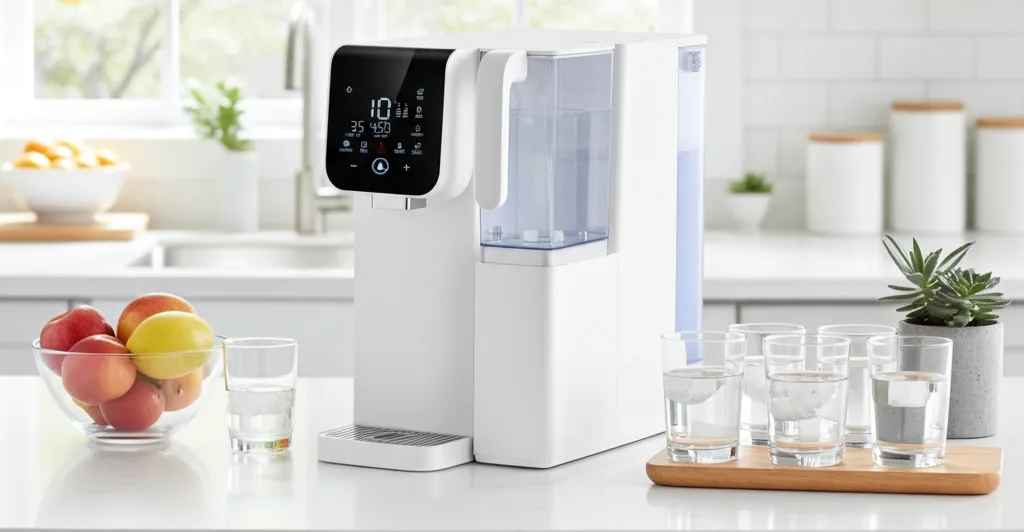
Cara Water is an Australian company taking smart hydration global with technology that remineralises reverse osmosis water for a cleaner, smoother taste.
This stylish benchtop station delivers instant hot and chilled water, with no plumbing required, making pure, great-tasting water simple, convenient and beautifully suited to modern homes every day.
HEALTH tips are for information purposes only. that’s life! accepts no responsibility nor assumes any liability for damage or injury to persons or property arising from any use of any product, information, idea, or instruction contained in this section.
IF YOU HAVE ANY HEALTH CONCERNS, SEEK MEDICAL ADVICE IMMEDIATELY

Related stories

Native ad body.

Native ad body.




Native ad body.