


Most of us know what it feels like to be thirsty after a workout or on a hot summer’s day.
But many people spend weeks, months or even years mildly dehydrated without realising it.
Millennials and Gen Z have been mocked for carrying an ’emotional support’ water bottle at all times, but there’s definitely something to be said for having something to sip on close to hand throughout the day.
If the only liquid you’re taking in is tea and coffee, and perhaps an evening wine, it might be a good idea to broaden your fluid intake.
While grabbing a glass of water usually fixes short-term dehydration, not drinking enough fluids over a long period can quietly affect everything from your energy levels to your heart, kidneys and brain.
Here’s what happens when your body doesn’t get the water it needs.
Your body works harder
Water makes up around 50 to 60 per cent of an adult’s body and is essential for almost every bodily function.
It helps transport nutrients, regulate body temperature, lubricate joints and remove waste products.
When you’re consistently dehydrated, your body has to work harder to perform these everyday tasks.
Blood becomes more concentrated, forcing your heart to pump harder to circulate oxygen and nutrients around the body. There’s a reason you’re asked to drink water before you go to give blood!
You may feel constantly tired
If you’ve been feeling sluggish despite getting enough sleep, dehydration could be playing a role.
Even mild dehydration can reduce blood volume, meaning less oxygen reaches your muscles and brain.
This can leave you feeling fatigued, lacking motivation and struggling to complete everyday activities.
Some people also notice headaches, dizziness or feeling light-headed, especially when standing up quickly.
Your brain can suffer
Your brain is particularly sensitive to changes in hydration.
Studies have found that even losing just a small percentage of body water can affect concentration, memory and mood.
People who are chronically dehydrated may find it harder to focus, solve problems or remember information.
Mood can also take a hit, with dehydration linked to increased irritability, anxiety and reduced alertness.

Kidney problems become more likely
Your kidneys rely on water to filter waste products from the blood.
When you’re consistently dehydrated, urine becomes darker and more concentrated. Over time, this can increase your risk of developing kidney stones, urinary tract infections and, in severe cases, kidney damage.
People with existing kidney disease are especially vulnerable to the effects of dehydration.
Constipation can become a problem
Water helps food move smoothly through your digestive system.
Without enough fluids, the large intestine absorbs more water from waste material, making stools harder and more difficult to pass. Chronic dehydration is a common but often overlooked cause of constipation.
Drinking adequate fluids, alongside eating enough fibre, can help keep your digestive system working properly.
Your heart feels the strain
Long-term dehydration reduces the amount of fluid circulating through your bloodstream.
To compensate, your heart beats faster to maintain blood pressure and deliver oxygen to vital organs.
Over time, this extra workload may place additional stress on the cardiovascular system, particularly in older adults or people with existing heart conditions.
Skin won’t tell the whole story
Many people believe dry skin is a sure sign of dehydration, but the relationship isn’t always straightforward.
While severe dehydration can reduce skin elasticity, dry skin is more commonly caused by environmental factors, ageing or skin conditions.
However, staying well hydrated supports overall skin function and works alongside moisturisers to maintain healthy skin.
Older adults face greater risks
As we age, our sense of thirst naturally becomes less reliable. Older adults also tend to have less total body water and may take medications that increase fluid loss.
This means they can become dehydrated before they even feel thirsty. Chronic dehydration in older people has been linked to falls, confusion, urinary infections and hospital admissions.
How much water do you really need?
Fluid needs vary depending on your age, activity levels, health and the weather.
In Australia, general guidance suggests women should consume around 2.1 litres of fluids each day, while men are advised to drink 2.6 litres.
These totals include water, milk, tea, coffee and other drinks, as well as moisture from foods such as fruit and vegetables.
You’ll usually need more fluids if you’re exercising, spending time in hot weather, pregnant, breastfeeding or experiencing illness with vomiting or diarrhoea.
Signs you may not be drinking enough
Dark yellow urine is an easy to sport sign of dehydration, as is needing to wee less often and having dry lips or a dry mouth,
But fatigue, headaches, dizziness, brain fog and constipation are also clues.
Simple ways to stay hydrated
Staying hydrated doesn’t have to be complicated. Carry a reusable water bottle, drink regularly throughout the day rather than waiting until you’re thirsty, and include water-rich foods like watermelon, cucumber, oranges and tomatoes in your meals.
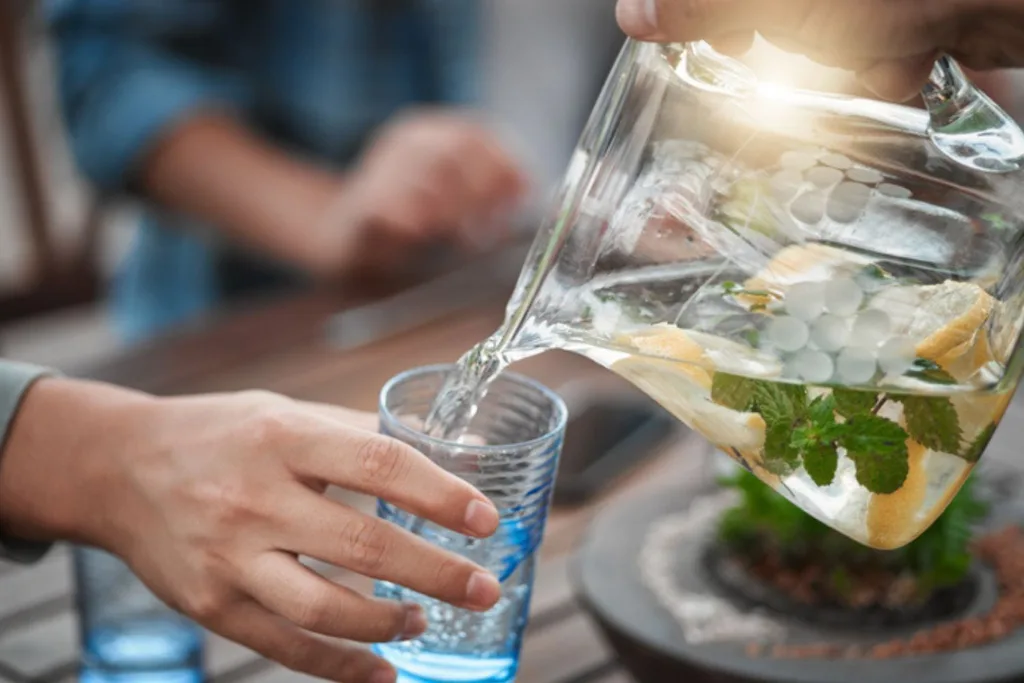
If you don’t enjoy plain water, sparkling water or adding slices of lemon, lime or berries can make it more appealing.
CARA Water
CARA Water is an Australian company taking smart hydration global with technology that remineralises reverse osmosis water for a cleaner, smoother taste.
This stylish benchtop station delivers instant hot and chilled water, with no plumbing required, making pure, great-tasting water simple, convenient and beautifully suited to modern homes every day.

HEALTH tips are for information purposes only. that’s life! accepts no responsibility nor assumes any liability for damage or injury to persons or property arising from any use of any product, information, idea, or instruction contained in this section.
IF YOU HAVE ANY HEALTH CONCERNS, SEEK MEDICAL ADVICE IMMEDIATELY

Related stories

Native ad body.

Native ad body.




Native ad body.