


- In 2020, after losing his job to Covid, Mary’s husband Henry, proposed an idea to take over a beekeeping business
- The pair had no background in beekeeping but leapt straight into learning everything they could about taking care of beehives and honey
- Five years on, honey runs through Mary and her little family’s veins as continue to farm quality honey for all Australians from their backyard
Here Mary Trumble, 33, Melbourne, Vic, tells her story in her own words
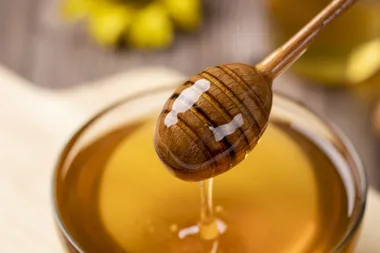
Drizzling a teaspoon of honey over my porridge, I smiled as the sweet aroma filled the room.
‘One honeybee only makes a 12th of a teaspoon of honey in her entire lifetime,’ I explained to my daughter, Camilla, two.
Together with my husband, Henry, 36, we’re raising our girl to know the true value of honeybees and how their tiny but mighty efforts help make the world go round.
As backyard beekeepers, our life revolves around honey. It’s an every day staple in our household. We add it to our morning cuppa, use it in baking, and even eat it straight off the spoon.
Honey hasn’t always run through our veins though. It was a conversation with a friend in late 2020 that changed everything.
‘One honeybee only makes a 12th of a teaspoon of honey in her entire lifetime.’
‘My in-laws, Peter and Jane, are retiring and selling their business, Backyard Honey. You should chat to them about buying the company,’ Henry’s friend said.
At the time, we were in a Covid lockdown, and Henry had just lost his job as a tennis coach. He wasn’t sure what he wanted to do next, but dreamed of a role that’d allow him to keep working outdoors.
‘This is a crazy idea, but what do you think?’ Henry asked me over dinner that night. He explained the business had been running for over eight years and was successful.
With my background in marketing I was sure I could help business boom even more, so although it was a big leap, I supported Henry.
READ MORE: What’s the buzz about honey?

Wanting to learn everything he could, Henry completed an online course on beekeeping, and studied the apiary code of practice.
He also spent time with Peter and Jane, learning how they ran the business. Rather than keeping all the hives in one location, they partnered with locals who wanted to keep bee hives in their backyards.
It helped to diversify the nectar and pollen the bees took from flowers, which resulted in a unique-tasting honey. In total, they sourced the liquid gold from 250 hives on 150 properties.
While they’d done all the packaging and shipping from their garage, we didn’t have the space in our home.
‘One hive can produce anywhere between 10 and 20 kilos of honey per season.’
So after signing the papers and becoming the owners, our first step was finding a warehouse to run operations from. We found the perfect space at the University of Melbourne’s horticulture campus in Burnley.
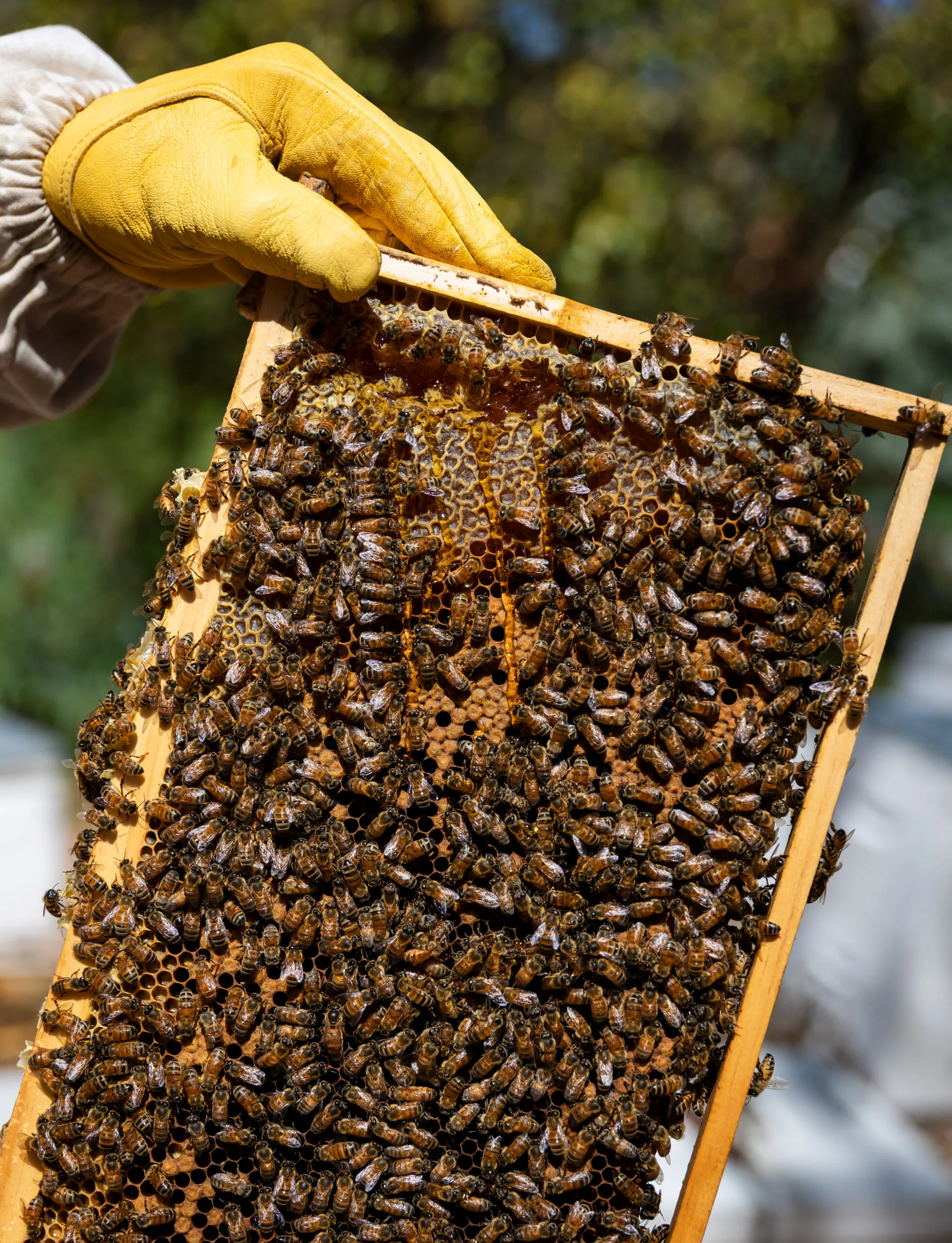
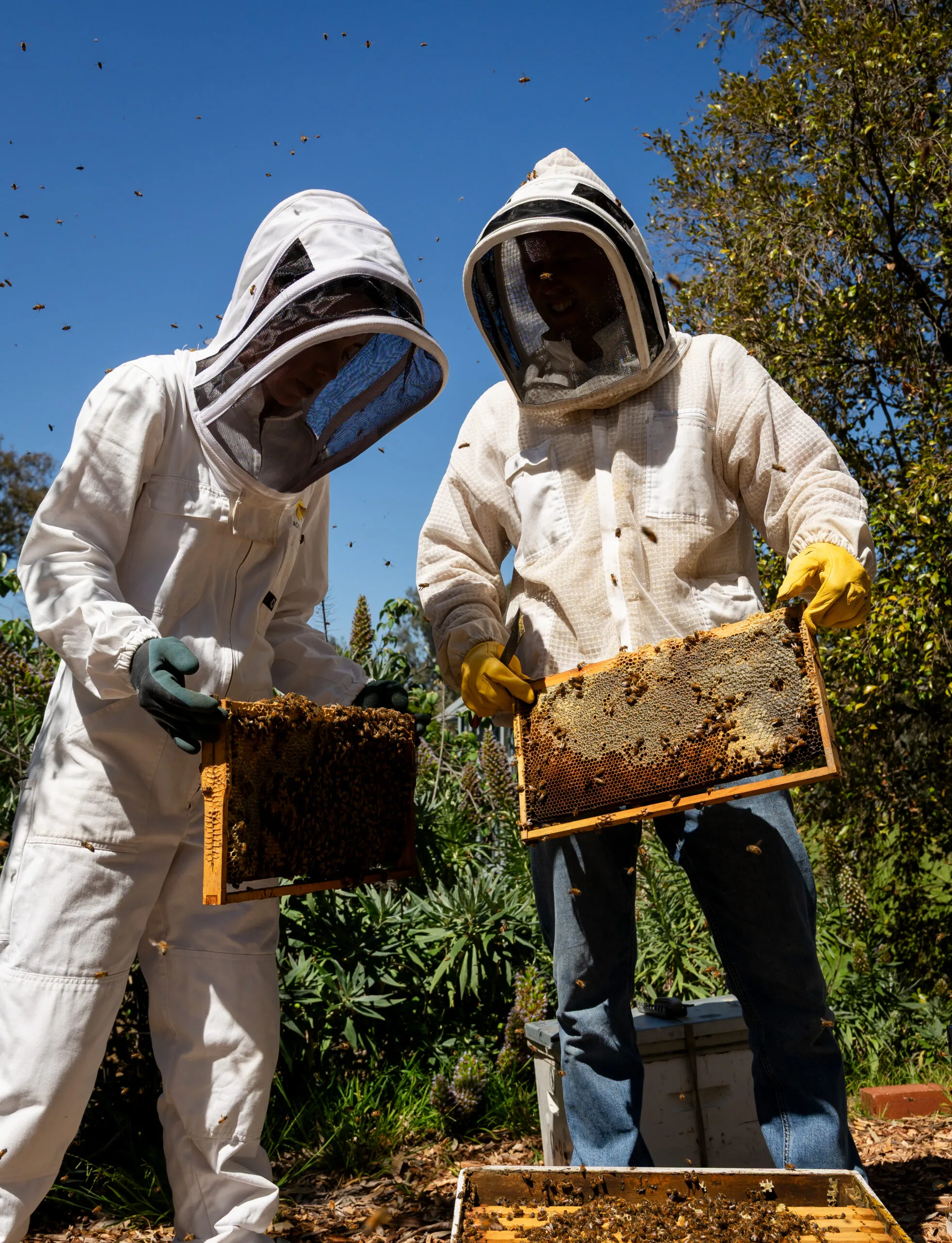
For the first six months, Henry shadowed Peter, tending to the hives so he could learn the ropes.
‘One hive can produce anywhere between 10 and 20 kilos of honey per season,’ Peter explained.
With the season running from September to May, the beekeeper’s main role is to look for signs of ill health within each colony or hive to avoid sickness spreading so bees thrive.
It was also vital to ensure each hive had a healthy bee population and brood pattern.
‘There’s so much to learn,’ Henry said after a big day.
READ MORE: Wildlife warrior: Amanda turned her home into a sea turtle sanctuary!
‘You’ve got this,’ I assured him.
While Peter was hands-on with the hives, Jane’s role was to visit schools and local businesses, educating them on the pivotal role bees play in the circle of life and the importance of buying local honey and avoiding imitation. She was like a walking encyclopaedia.
‘Female worker bees pollinate one in every three mouthfuls of our food,’ Jane taught us.
In January 2022, after teaching us everything they knew, Peter and Jane officially hung up their beekeeper suits, leaving the business in our hands.
‘Female worker bees pollinate one in every three mouthfuls of our food.’
By then, I was splitting my time between my marketing job, and working for us. But after seven months, I went all in on our business.
When not busy behind the scenes with marketing, I was packing and labelling jars in the warehouse, educating schools and businesses, and getting hands-on with the bees.
Being outdoors was such a nice change, having spent most of my working life cooped up in an office.
And working alongside my best friend was the icing on the cake.
READ MORE: Meet the world’s youngest beekeeper
After two years in business, Henry proposed one night at home in our living room.
‘Will you marry me?’ he beamed, slipping a diamond ring on my finger.
Of course, I said yes!
It felt only right that we set the date for May 20, 2023 – World Bee Day.
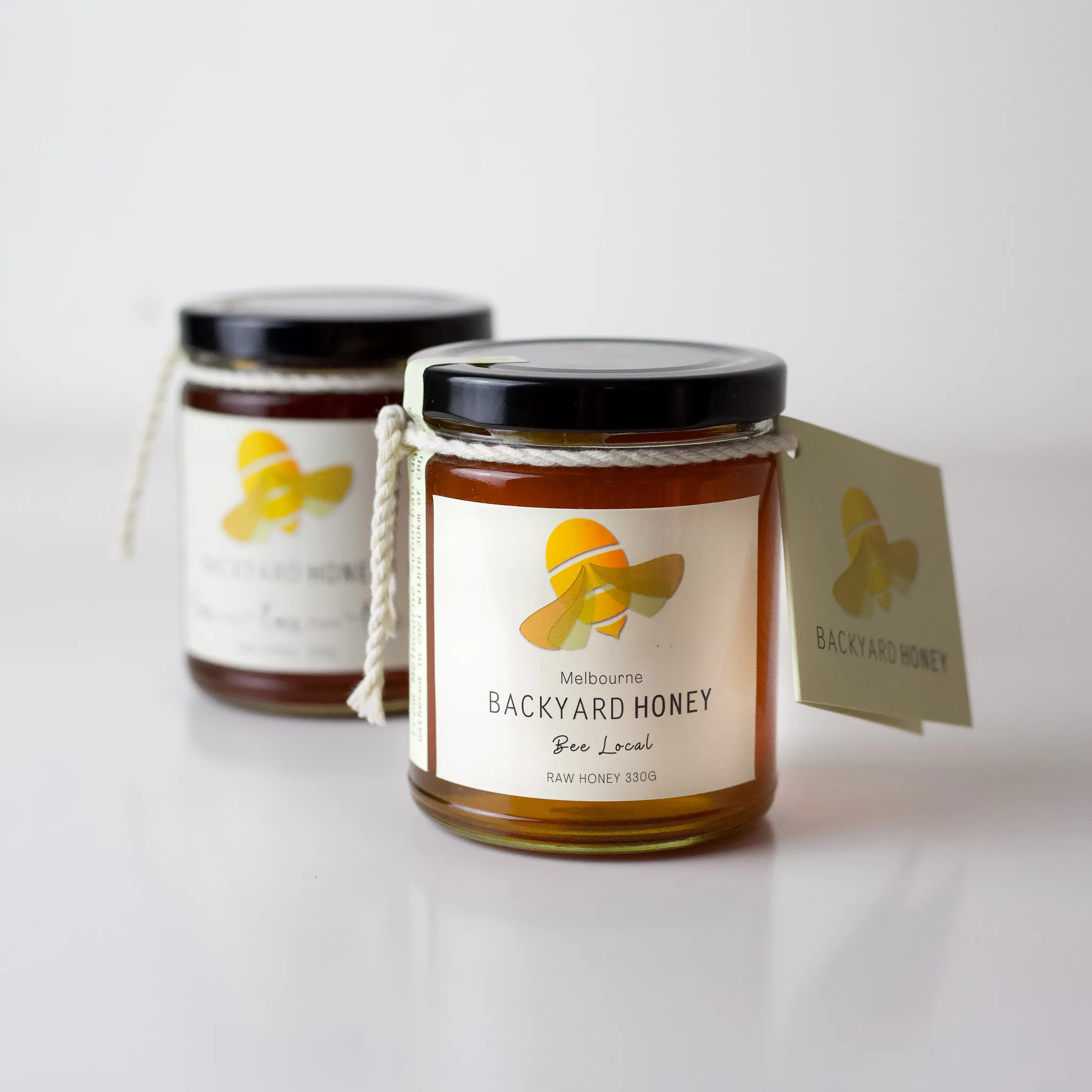
Celebrating with our nearest and dearest, we incorporated our favourite food throughout the day, including honey cocktails, honey cookies, honeycomb cheeseboards and even little jars of our honey as wedding favours.
Five months later, we were delighted to be expecting our first child. And our girl, Camilla, was born in July 2024.
Now two, she’s growing up to be as obsessed with bees as us. Strolling through the neighbourhood, Camilla insists we stop at every lavender bush with a swarm of bees.
‘Honeybees!’ she beams.
With the Varroa destructor, a parasite that attacks honeybees, now spreading across Australia, its more important than ever to support our colonies any way we can.
Something as little as planting a lavender bush or Aussie native in the garden, or leaving a pot on the balcony can make a big difference, along with purchasing local honey to support the beekeepers, we shared in the book.
Now five years on, I couldn’t imagine my life without bees. With Backyard Honey thriving, it’s allowed me more time with Camilla, and we travel during the off season.
Bees have changed the way we look at the world, and while we never imagined we be paying our bills with honey, we wouldn’t have it any other way – life is pretty sweet!
Mary’s book ‘Honeybees: The Wonders of the Hive and How to Help Them Thrive’ is available on Amazon.

