- At 16, Blume was diagnosed with androgen insensitivity syndrome and learned they were intersex
- They eventually found support through an intersex community and gained confidence in their identity
- A musician, podcaster and advocate, they openly share their experience to raise awareness about intersex people and help others feel less alone
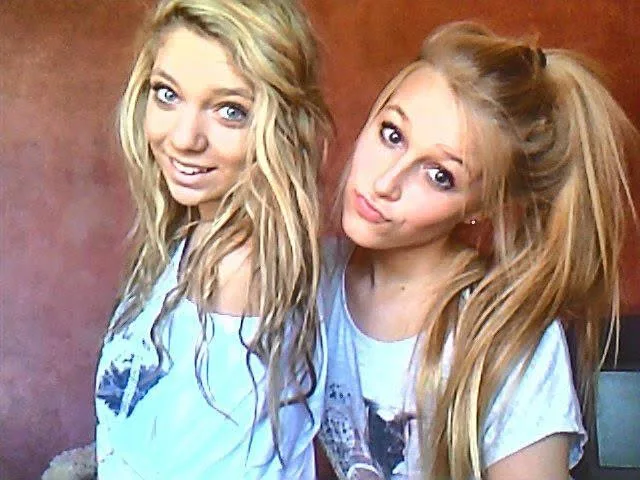
Here Bulme,30, Melbounre VIC tells their own story in their own words
‘Anything else?’ the doctor asked, taking notes on the computer.
Aged 16, I’d gone to my GP after noticing two lumps on my stomach weeks earlier.
A ballerina, I’d spotted them when I tensed my abs during practice.
My parents arranged a doctor’s visit and I was referred to a paediatric surgeon. I was told I likely had a double hernia that could easily be resolved with surgery.
Relieved, I was about to head off when the doctor asked me if I had any other queries.
‘I haven’t got my period yet,’ I said off-handedly.
I assumed I was a late bloomer.
Still, I was sent for blood tests and a pelvic ultrasound.
A couple of weeks later I was called back to the GP, my parents by my side.
I noticed the GP looked nervous.
‘Am I dying?’ I asked, frantic.
‘No,’ the doctor said.
‘Is it about me not getting my period? I asked.
‘You won’t be able to have children, ever,’ the GP said plainly.
Mum was in tears next to me.
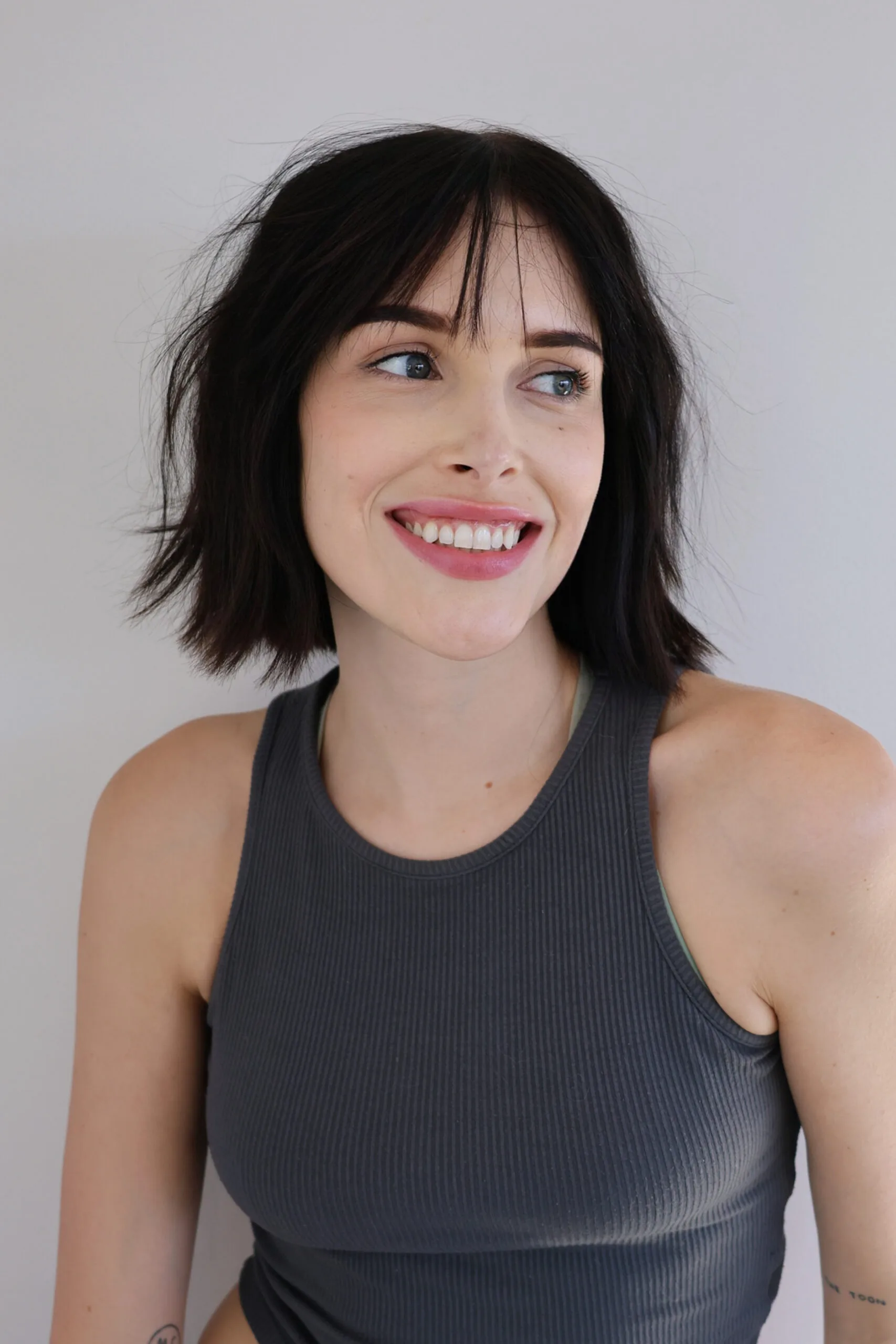
‘You are intersex, which means that you were born without fitting the criteria of male or female.’
I’d stopped listening.
I didn’t know what intersex was, but I didn’t care, too heartbroken about the prospect of not having a family.
The only thing I wanted to do was phone my best friend, Rhiannon.
I didn’t realise I’d said that out loud until the doctor spoke. ‘Don’t tell anyone,’ she urged.
Confused and ashamed, I left the clinic carrying my ‘secret’.
Pamphlets were handed over as I stormed out of the clinic, my parents following shortly after.
Two weeks passed in a daze. Finally, my older brother and Dad sat me down and explained I’d been born without a uterus, which was why I hadn’t started menstruating.
But that wasn’t all.
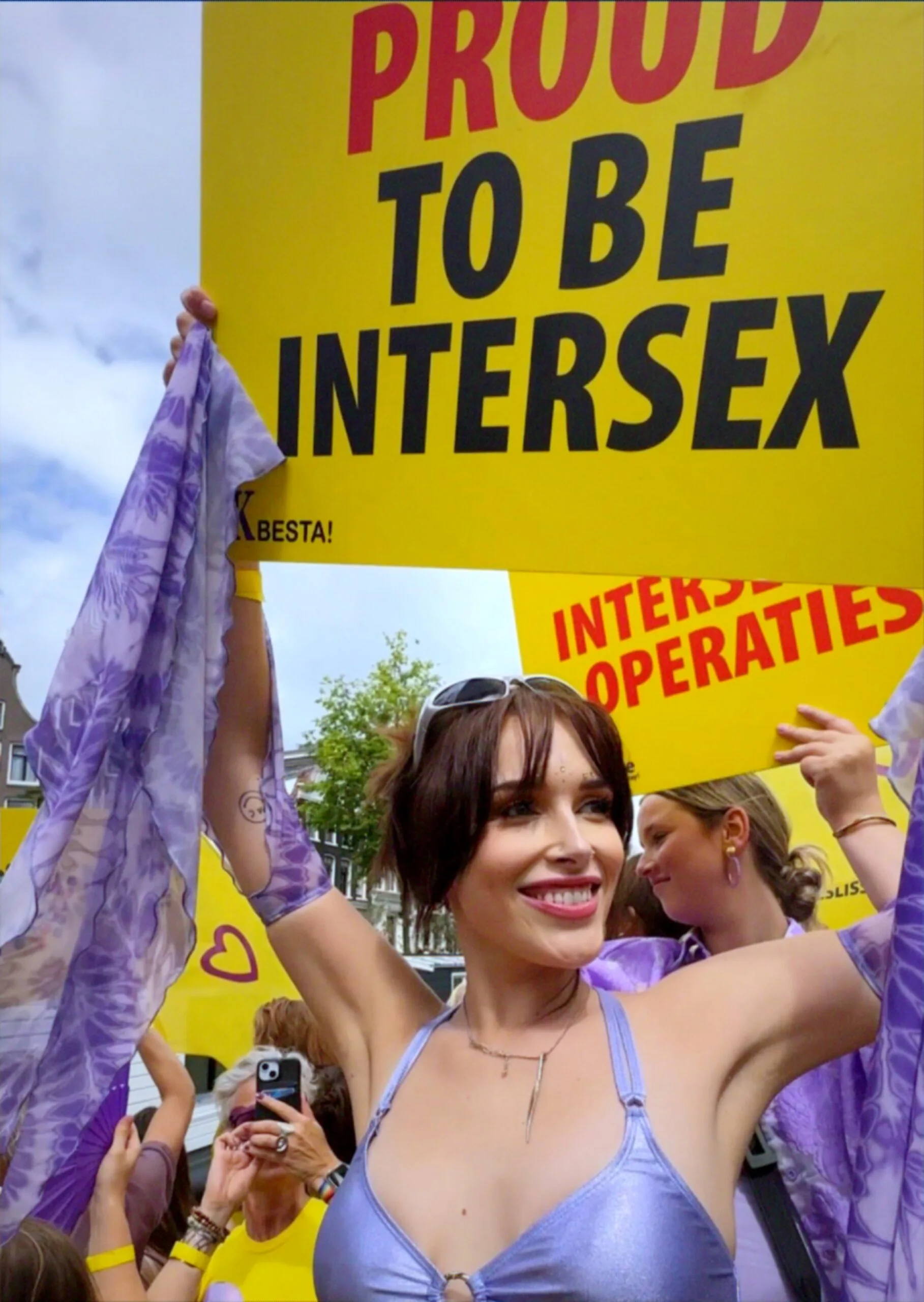
‘You have a genetic condition called androgen insensitivity syndrome,’ Dad said, explaining it was like a construction company having blueprints for a house, but the workers showing up with equipment for a different type of house.
His analogy helped me to understand that biologically, I was meant to be a male.
My ultrasound had shown that where my ovaries should be, there were testicles that hadn’t developed.
‘You have XY chromosomes but, because of some fault with your androgen receptor, you couldn’t form properly as a guy,’ added my brother.
‘Your body just had to improvise, and did the best it could to turn you into a female.’
I was speechless, as tears tracked down my cheeks. It felt like I was living in a weird sci-fi film.
‘Am I broken?’ I asked sadly.
‘Of course not,’ they replied, hugging me.
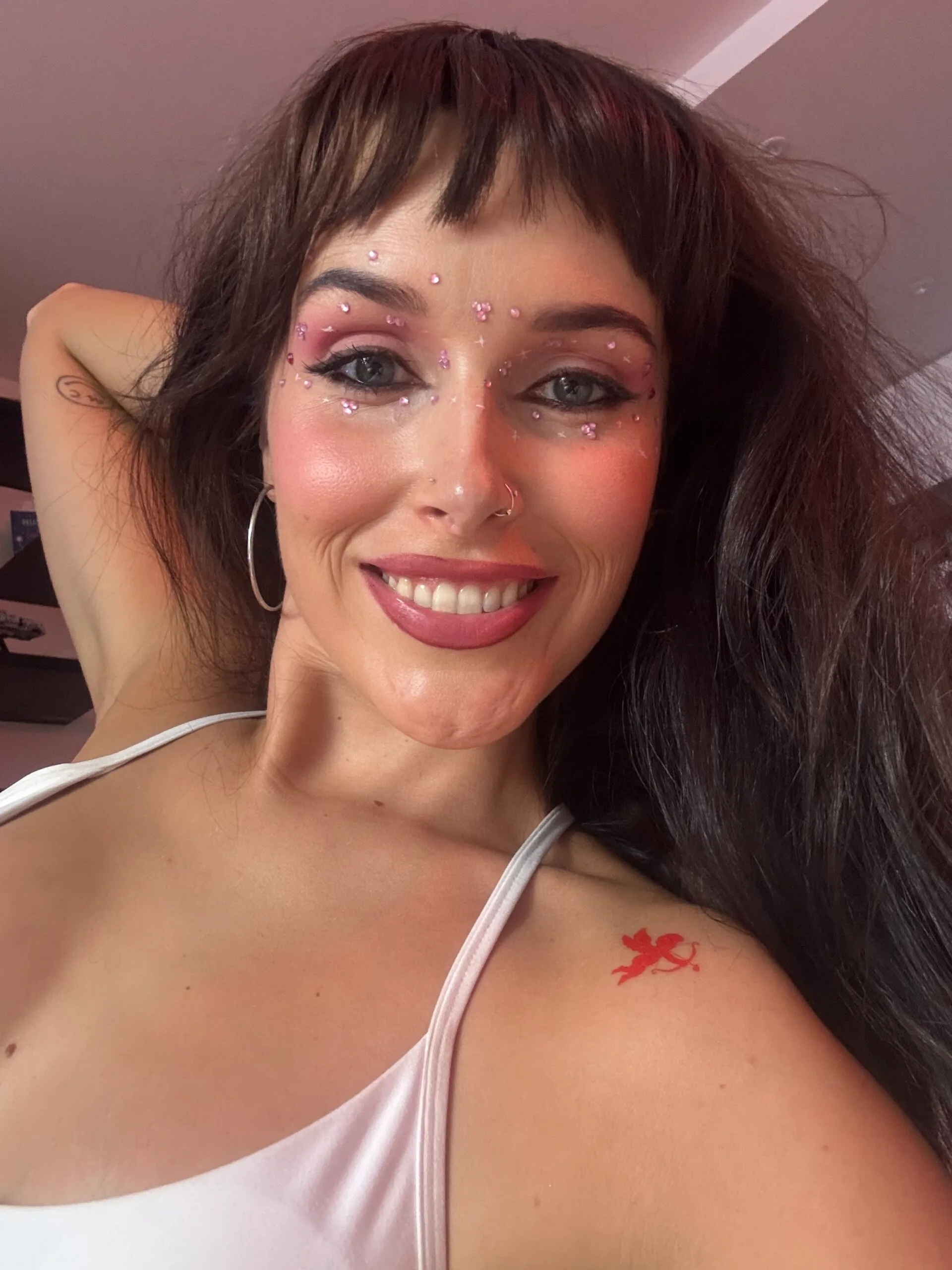
I had no idea this could happen and neither did my parents.
I’d been assigned female at birth. I had long hair, and I wore skirts and dresses. And as far as I knew, my vagina was the same as anyone else’s.
But all the while, I had testicles inside me!
What would people think?
I told a few close friends, but weeks later rumours started to swirl.
‘You’re a man!’ kids would whisper snidely in the playground.
‘Why did it have to be me?’ I’d cry to my parents.
Eventually I was referred to a gynaecologist who specialised in intersex patients.
‘You’re going to have a happy life,’ she encouraged me, melting my fears.
‘You don’t have to have surgery on your testes. We will just monitor them each year for changes,’ she added, as there was an increased risk of cancer.
‘Thank you,’ I beamed.
It felt like a light in the darkness.
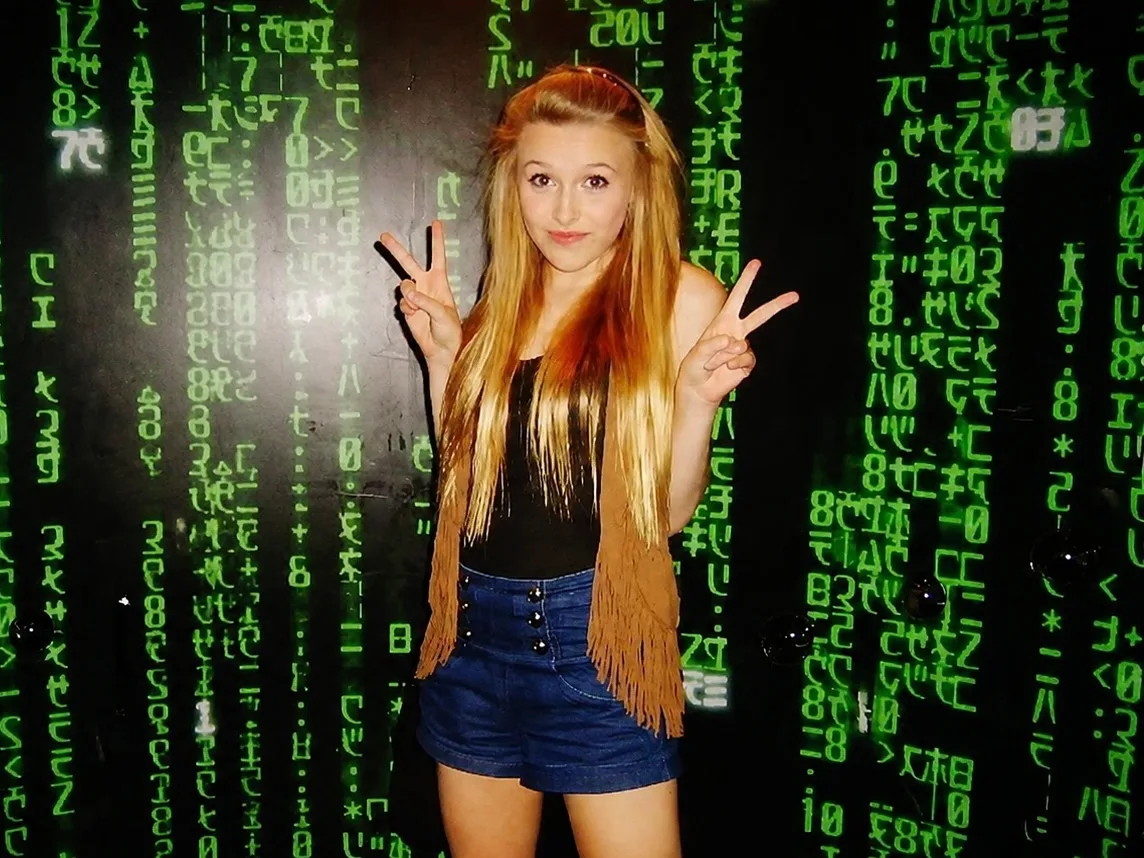
In 2013, when I was 18, Mum took me to America for a weekend meet-up of other intersex people in Boston.
There, I found a whole community of people like me sharing their stories. It felt like the most special gift, and I have kept in touch with some of them.
After school, I studied film and set design, before going travelling in 2017.
I lived in the UK and Germany before coming back to Australia in 2020.
It was back home that I met my partner Seb. Together we started a band called Mystic Tea Party. Having grown up with musicians as parents, I’d always used music to express myself.
In my lyrics I incorporated themes of my experience as an intersex person. It felt so freeing.
In 2022, I started sharing more about being intersex on YouTube and TikTok.
The debate around non-binary people seemed to be everywhere in the news, and I knew more than anyone that things weren’t as straightforward as being ‘male’ or ‘female’.
I felt the pronoun ‘they’ suited me best, rather than he or she, as I sat somewhere in between.
Gaining followers, in 2023, I started a podcast called Interesting & Se-XY, sharing stories of intersex people. Interviewing others, it felt incredible to connect with the intersex community all over the world.
I also share my story on Instagram @blumekind_
Sometimes speaking up comes at a cost. I’ve been called the worst names you can think of. But the messages from people that say I’m like you, or thank you for educating me, mean everything to me.
I never want another intersex person to feel the shame I did.
Today, I’m so confident and have no issues explaining I’m genetically male, I have XY chromosomes, but I present femme.
And my debut album Slipstream is coming out this month.
I know now there are lots of intersex people – around 1.7 per cent of the population worldwide.
I’m passionate about educating others on being intersex. People can’t understand what they can’t see, that’s why visibility is so important.
Done hiding, now I’m living my life out loud.
Intersex Awareness Day is October 26. To learn more visit interaction.org.au

Related stories
Native ad body.
Native ad body.
Native ad body.