

- Gewa Arja lost her daughter A’isha, three, to Niemann-Pick disease before losing her sons Mohamed and Omar to cancer
- After watching his brother pass from cancer, Gewa chose not to tell Omar about his own diagnoisis so he wasn’t scared
- Now, as she raises her two surviving sons, she’s sharing their stories and revealing how faith, family and love helped her keep going
Here Gewa, 44, Greenacre, NSW tells her own story in her own words
‘It’s a miracle,’ my husband Fadi, then 27, said, placing a protective hand on my stomach.
It was November 2004 and, at 23, I’d found out we were expecting our first child.
I wept with joy. Being a mother was all I’d prayed for. We’d been trying to conceive with no luck.
So as the pregnancy test showed positive I was in disbelief.
At our eight-week scan, the room filled with the gentle thump of our baby’s heartbeat.
‘I can’t wait to meet you,’ Fadi smiled.
At 20 weeks we shared our news with family and friends, and learned we were having a girl.
Fadi had always dreamed of a daughter.
Our girl, A’isha, was born in July 2005.
‘You’re a gift from God,’ I whispered, sure I’d never known true love before looking into her beautiful brown eyes.
I was besotted.
Fadi adored his little girl, and she instantly settled whenever he held her.
READ MORE REAL LIFE: Mum’s heartbreak: ‘My girl was diagnosed with dementia at 3’
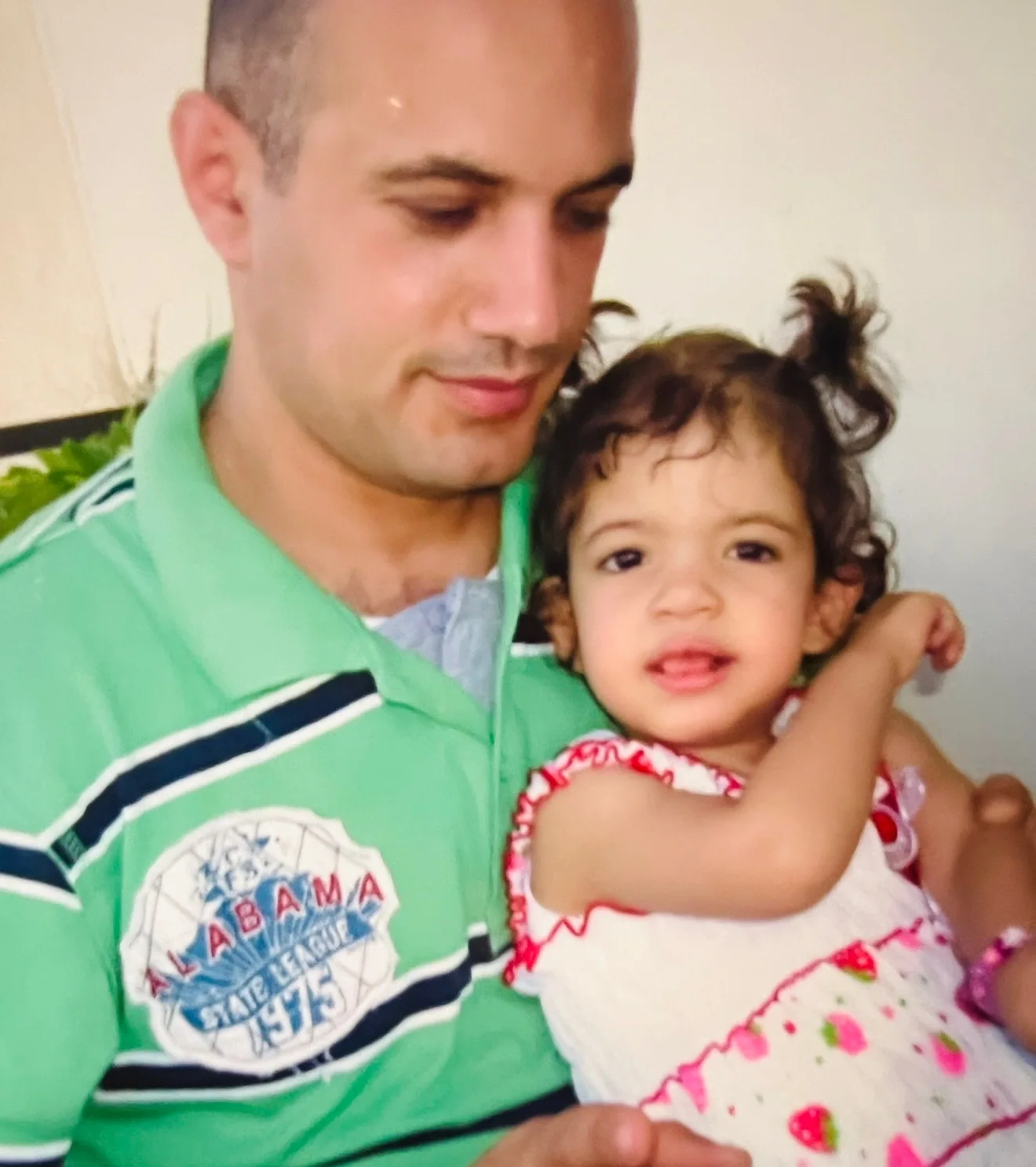
But 17 days later I noticed A’isha’s skin looked yellow.
‘This doesn’t seem right,’ I said to Fadi, and we took her to hospital.
Diagnosed with jaundice, she was transferred to Westmead Paediatric Intensive Care Unit, where doctors did countless tests, including a liver biopsy.
After three long weeks we brought her home, and waited for the results.
Almost six months later we were called back.
‘Your daughter has Niemann-Pick disease type C,’ the specialist said.
I listened in shock as they explained it was a rare, progressive disorder that caused toxic fat to build up in the body, damaging the liver and brain.
Often called ‘childhood Alzheimer’s’, it meant that over time A’isha would have increasing problems with movement, swallowing, hearing, thinking and other neurological functions.
‘She may only live to 16,’ he said, and my world stopped.
No way, not my daughter, I vowed.
There was no way she wasn’t going to grow up, start school, fall in love…
I refused to accept it.
Under my watchful eye, A’isha kept meeting her milestones.
Before long, I found I was pregnant again.
‘You’re going to be a big sister!’ I told her, beaming.
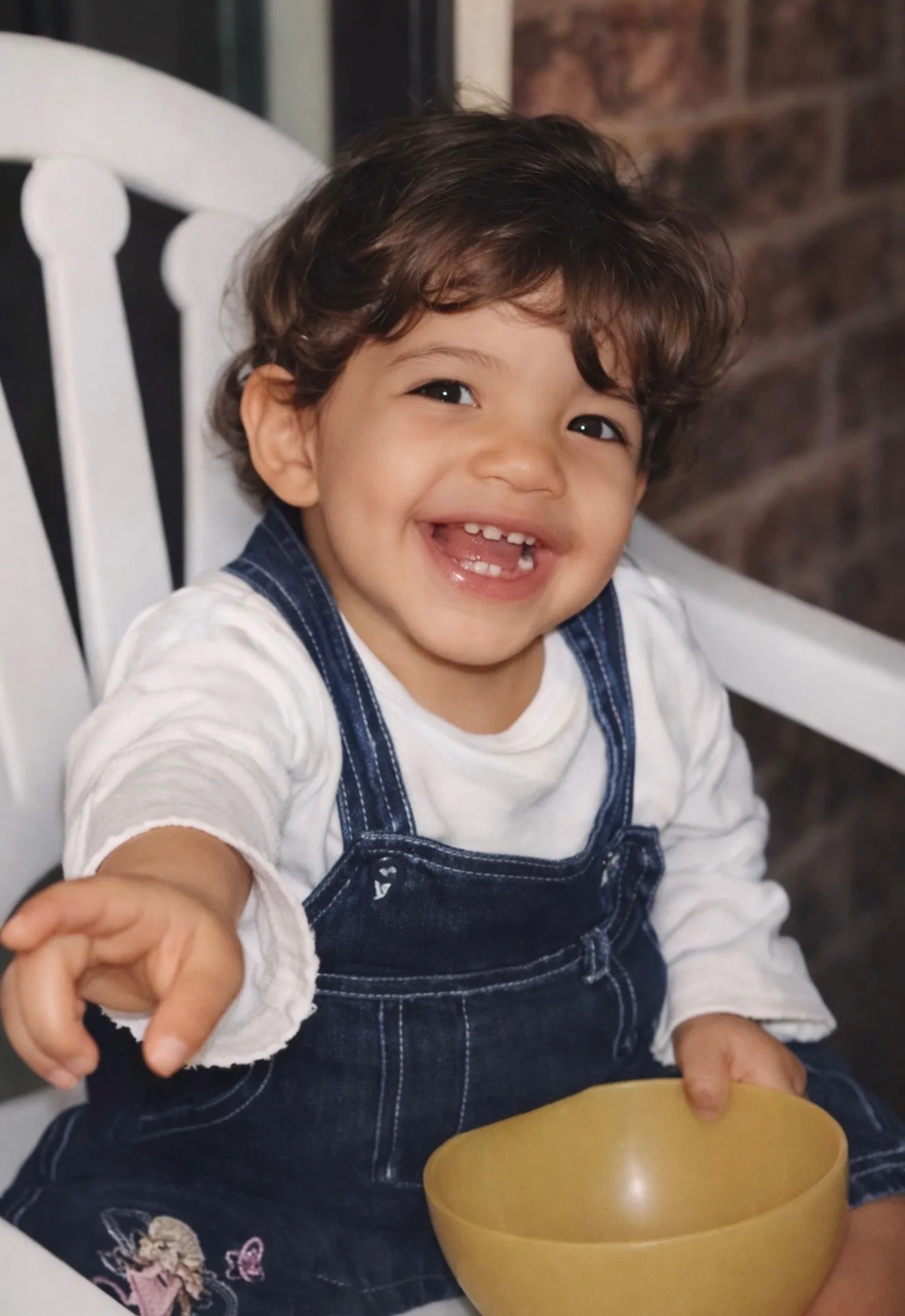
As A’isha grew, her cheeky, vibrant personality began to shine. She loved dancing and singing.
We celebrated her first birthday with a princess-themed party in the park with family. A’isha looked precious in a white dress and pompom crown.
‘Happy birthday, Princess,’ Fadi said, kissing her cheeks.
A’isha loved feeling my growing tummy and, when our son, Rabieh, was born in March 2007, A’isha doted on him.
‘My baby!’ she’d chirp, following me and Rabieh around the house.
That September, I noticed her hands and feet had begun to turn inwards.
She was struggling to grip the spoon for her cereal. Worried, I took her to our local hospital, where she had splints fitted on her arms and feet to support her limbs.
Slowly, A’isha’s symptoms progressed. When she was three, her hips moved out of place as her muscles weakened, and she needed a cast that reached from her ribs to her feet for six weeks.
Then she lost the ability to swallow and began choking on food, so she was fitted with a feeding tube. I fed her at home with formula.
She stopped talking, communicating only with her gorgeous eyes.
I’m okay, I’m strong, she seemed to say.
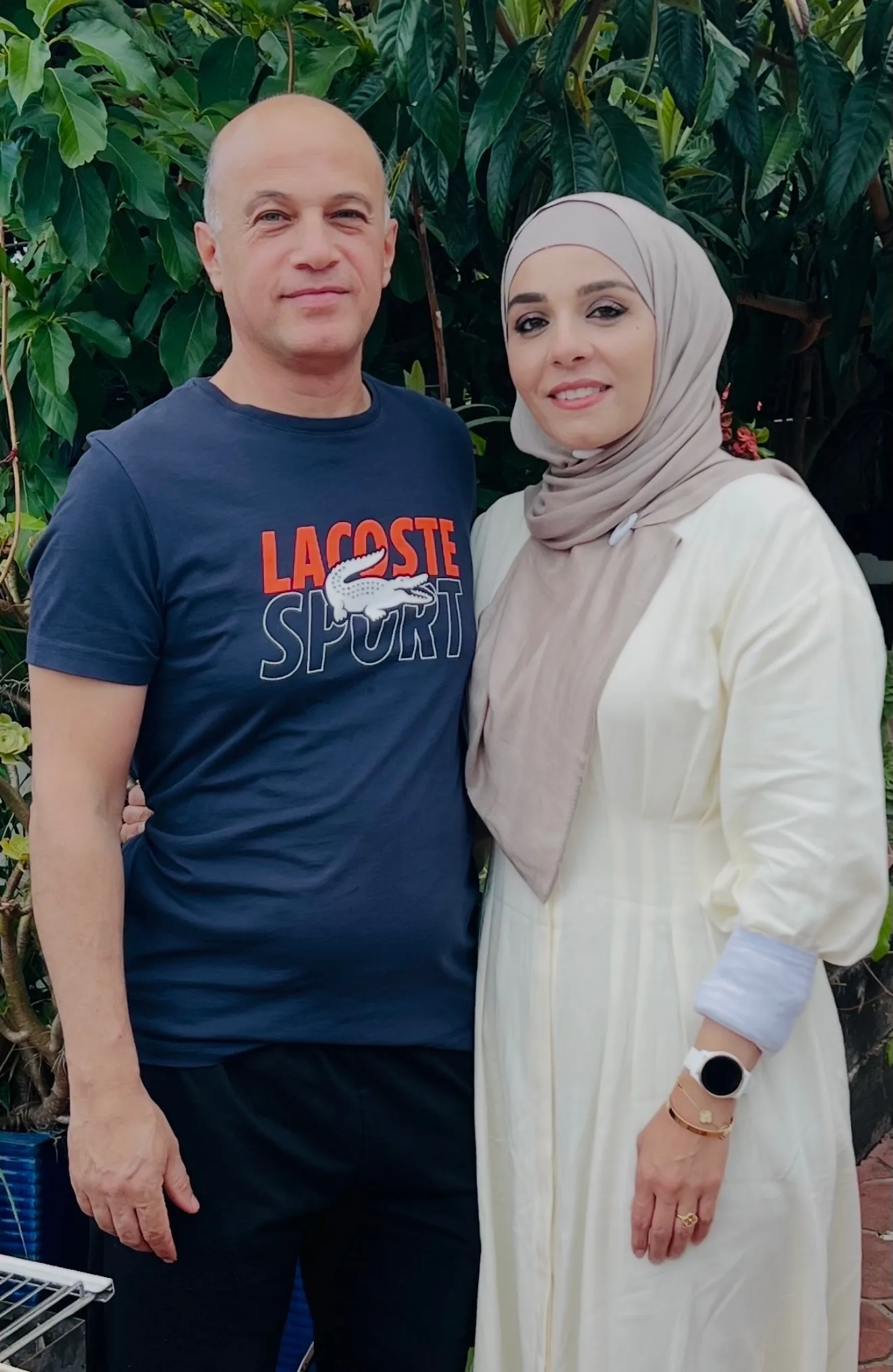
Fadi and I leaned on each other as we watched our beautiful girl slip away.
By 18 months, Rabieh was her little shadow.
When A’isha needed her feeding tube re-fitted in August after it came loose, I took her to the local hospital.
Three days later, our girl had a 40-degree fever. Rushing her to Westmead, X-rays revealed her feeding tube had been incorrectly fitted.
‘She has pneumonia,’ doctors said, and they rushed her to ICU.
‘Call your family. She’s not going to make it,’ they warned me.
Hands shaking, I phoned Fadi and urged him to come to the hospital, fast.
A’isha, connected to tubes and wires, fought for her life.
A daddy’s girl through and through, when Fadi walked into the room, A’isha gave her first sign of life – blowing a raspberry.
For three weeks she stayed in the ICU. There, we met with the palliative care team.
‘I’m taking her home,’ I told the doctors, determined.
I didn’t want her final days to be spent in the confines of the hospital.
For seven months I cared for A’isha, feeding her via a tube, giving her medication and suctioning her excess saliva.
Although she was unable to speak, her brain was aware, and I could see the deep sadness in her eyes.
She seemed to say, I’m hurting, Mummy.
It broke my heart.
Then in February 2009, my mother was watching A’isha and Rabieh while Fadi and I were out.
Around mid-afternoon we got home. My little sister, checking on A’isha, saw she was turning purple in her bed.
Our girl couldn’t breathe.
‘Gewa! Help!’ my sister screamed.
READ MORE REAL LIFE: Ellie’s cancer fight: ‘Ronald McDonald House gave us hope’
Mum called an ambulance as I rushed to A’isha’s room.
Locking eyes with my daughter, I could tell she wanted me to leave the room. In my culture, it’s said that a child’s soul won’t leave their body until their mother is no longer in the room. Now I could see her big brown eyes pleading, Go, Mum.
So when the paramedics arrived and took over, I stepped outside. Leaving her room broke my heart, but I was thankful Fadi was there – by his little princess’ side.
When the paramedic came to find me in the living room, his face was full of sorrow.
‘I’m so sorry,’ he said, right before I fainted.
Coming to, I was sure I was in a nightmare.
Time passed in a haze, and our home filled with family as news spread of our daughter’s passing.
Explaining it to Rabieh broke my heart.
‘A’isha is in Heaven with God,’ I explained.
We buried her the next morning, after a service at our local mosque.
Consumed by grief, I barely slept, and my chest felt tight like I was suffocating. But I kept going for my son.
Every morning I prayed, then exercised to keep my body as strong as my faith.
But slowly the fog began to lift.
Then, five months after losing A’isha, my period was late.
As I waited for the test result, my heart soared.
Had my daughter sent me a gift from Heaven?
READ MORE REAL LIFE: Brave Frankie: Cancer took our son’s sight
Blinking, I rubbed my eyes to be sure. But there on the bathroom sink were the two pink lines on a pregnancy test.
‘Thank you A’isha,’ I cried.
It was July 2009 and at 27 years old, I’d been living under the darkness of grief for five months since my daughter passed. Now, a crack of brightness – a new life to live for.
Showing my husband Fadi, then 32, the test, he was over the moon.
Since losing A’isha, my family had rallied around, dropping off meals and caring for our son Rabieh, three, who missed his sister constantly.
They even transformed the bedroom he once shared with A’isha into a Cars-themed paradise.
‘I love it,’ he cried, jumping on his Lightning McQueen bed.
When I told him I was pregnant, he was thrilled.
Scans revealed we were having another boy. As my belly grew and I felt my baby kick, I was eager to meet my son. And he was eager to meet us too!
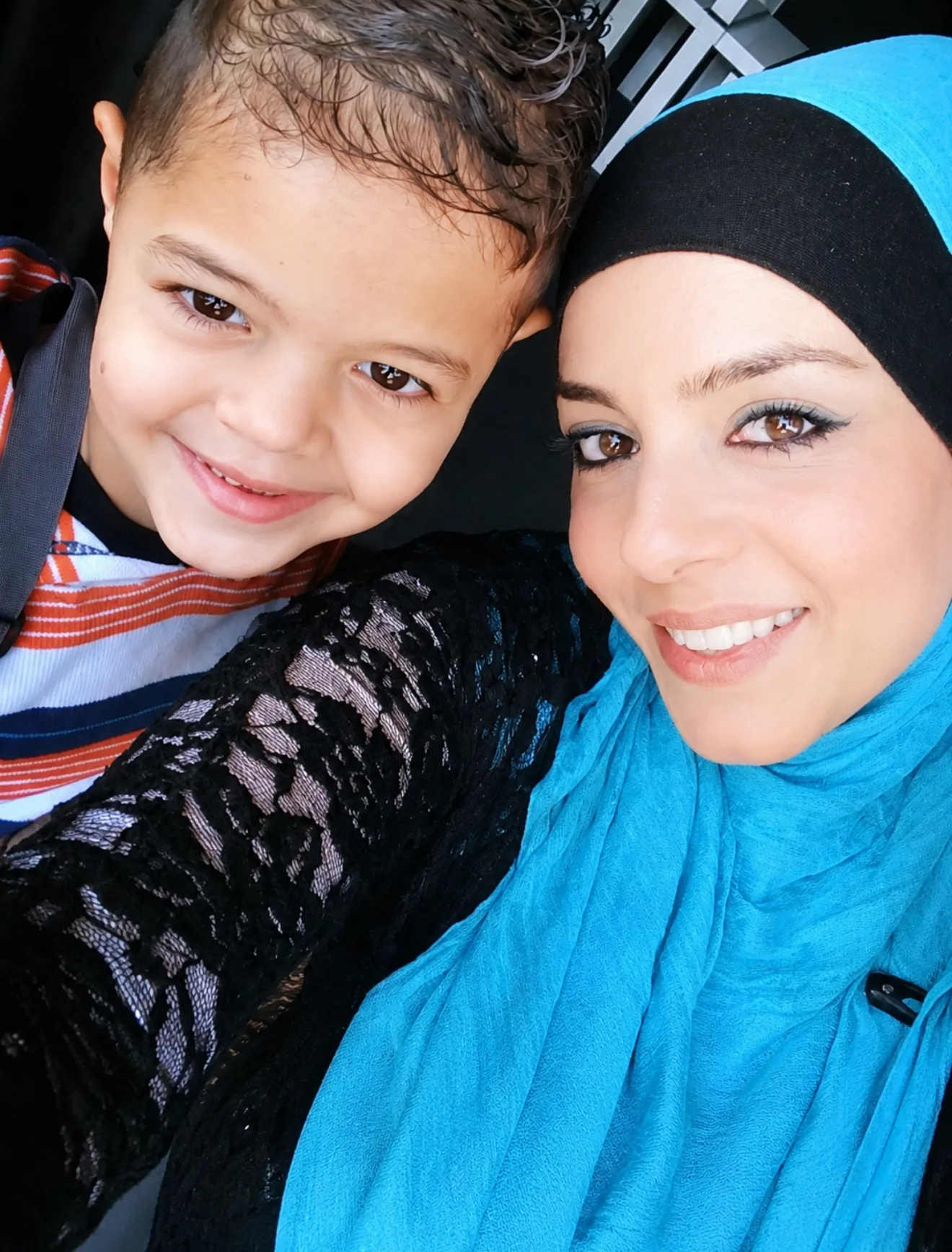
Just 40 minutes after my contractions started in March 2010, I was holding our boy, who we named Mohamed, in my arms. He was the spitting image of A’isha.
I had no doubt she’d sent him to me.
‘He looks exactly like her,’ I sobbed to Fadi.
READ MORE REAL LIFE: ‘I couldn’t choose’: Mum defied doctors’ advice to save her twin girls
Rabieh doted on his baby brother, following me around the house with nappies, wipes and Mohamed’s dummy whenever he cried.
When Mohamed was seven months old, I fell pregnant again – another boy. Born in August 2011, we named him Omar.
As Mohamed grew, he looked more like A’isha every day, but his personality was all his own. Boisterous and cheeky, he was a mad Bulldogs rugby league fan. By two he could recite every player’s name.
I told him about A’isha.
‘She was strong and funny,’ I’d tell him.
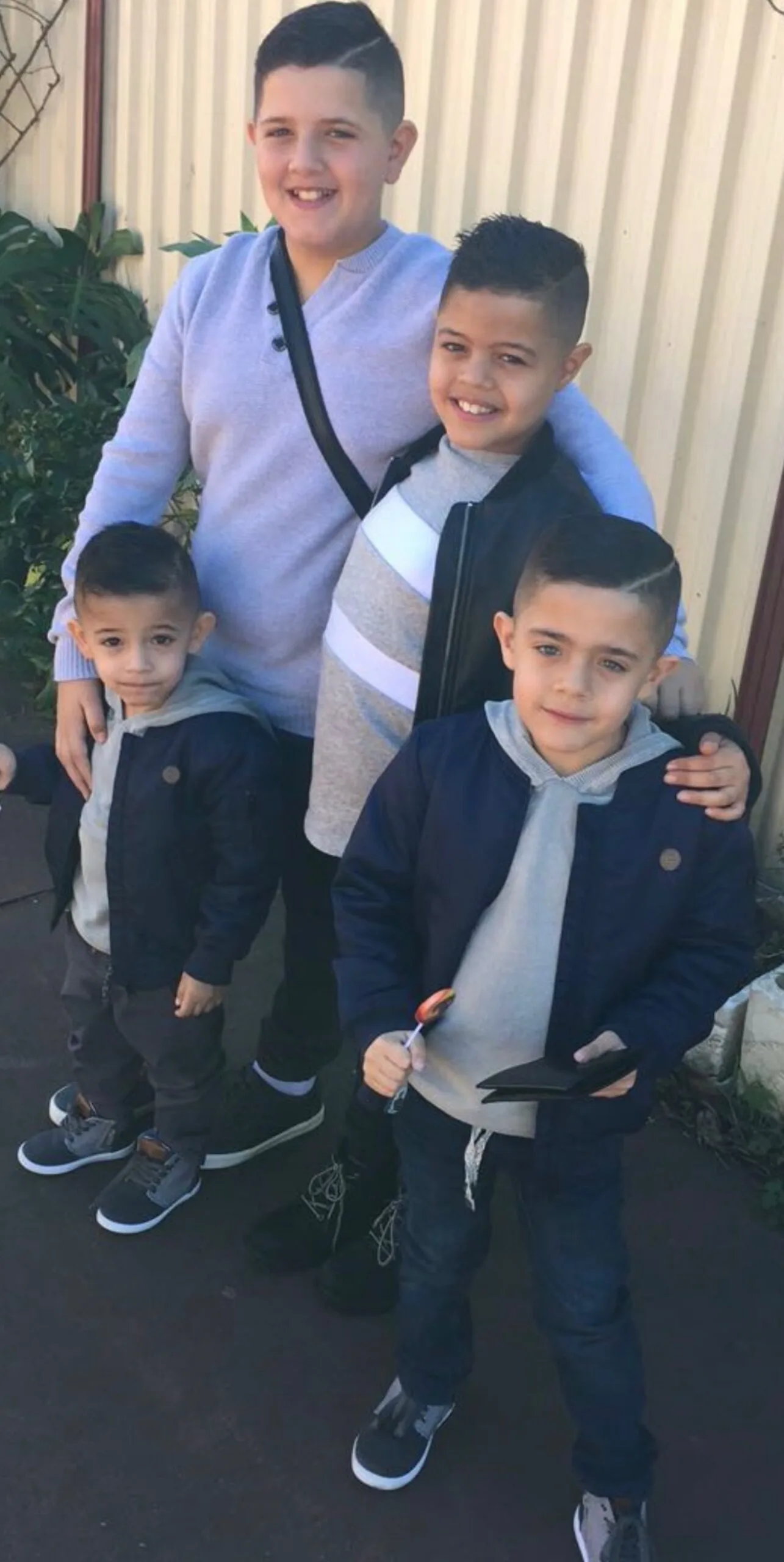
In February 2015 we welcomed Lu’ay – our fourth son. My boys were thick as thieves, always playing footy or bouncing on the trampoline.
After losing A’isha I prioritised making family memories.
One hot day in January 2019, we packed our car and headed to Cronulla beach.
As Fadi and I set up on the sand, Rabieh, 12, Mohamed, nine, Omar, seven, and Lu’ay, four, raced into the waves.
It was around 3pm when I noticed Mohamed limping back towards us.
‘Are you okay?’ I asked.
‘I’m fiiiiine,’ he slurred.
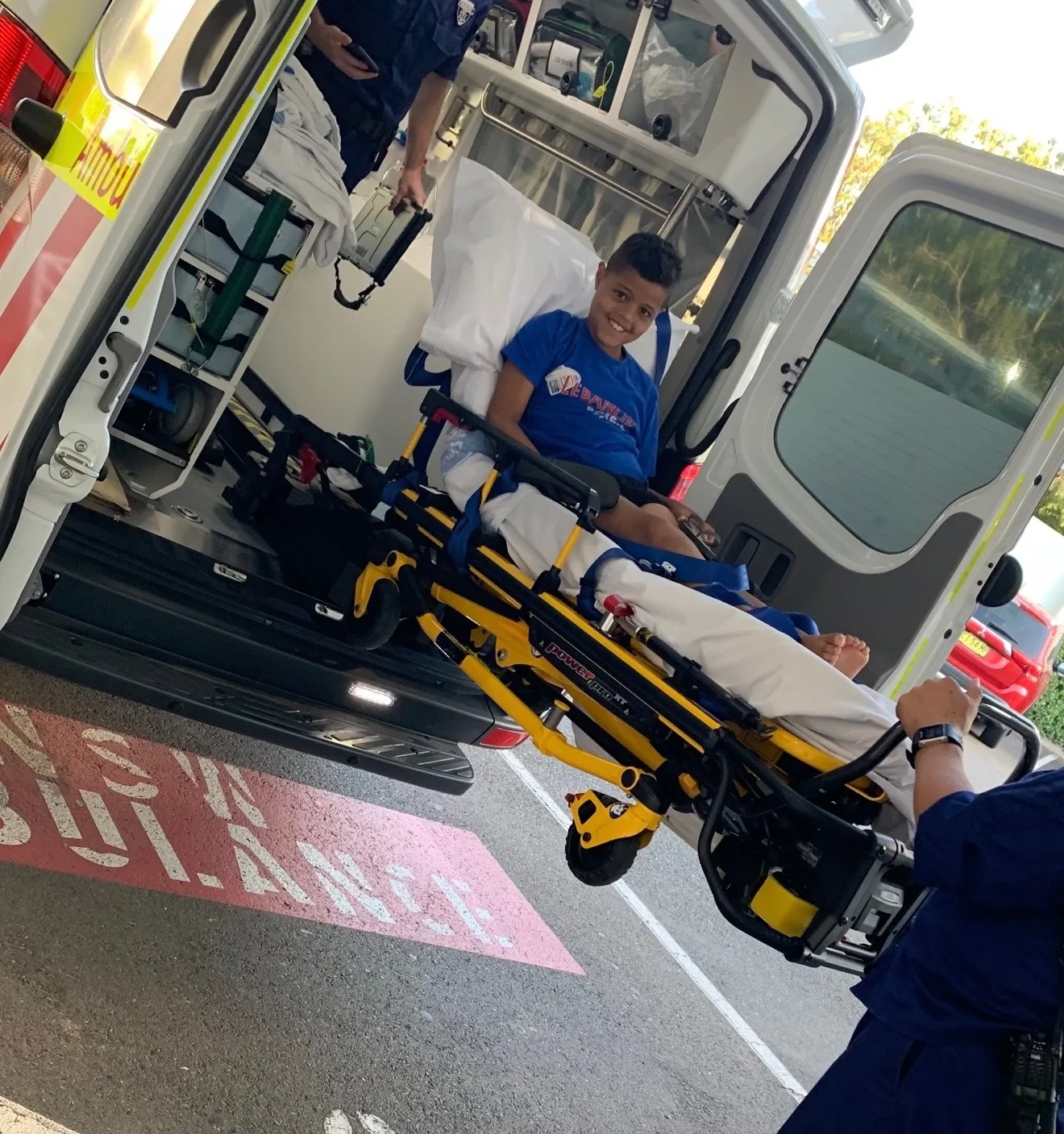
Inside, alarm bells rang. Packing up, we raced home and I called an ambulance to meet us there. By the time help arrived, Mohamed was slurring badly and his right eye had started drooping.
‘Is he having a stroke?’ I asked.
‘We can’t be sure until we run tests,’ they replied.
I went in the ambulance with Mohamed to hospital, while Fadi followed with the other boys.
An MRI ruled out a stroke. But our relief was short-lived.
‘Your son has a tumour on his brain stem,’ the doctors revealed.
This can’t be happening, I thought, distraught.
Doctors believed the growth was benign, but Mohamed deteriorated in the days that followed.
He stopped walking and lost movement down his right side. Doctors performed a biopsy.
Mohamed was in agony, crying for hours. I climbed into bed beside him, crying too.
‘Mum, I’m hungry. I want Hungry Jack’s,’ he wept.
‘When you come out of surgery, I’ll get whatever you want,’ I promised.
He drifted off before being taken to theatre early the next morning.
The two-hour op took three times as along. I knew something was wrong.
Finally, I found a doctor.
‘Your son’s tumour is highly malignant,’ he said.
Cancer. I felt sick at the thought. How could something so sinister be growing inside my boy without me knowing?
‘His brain tumour has grown 3cm in 10 days,’ docs said.
‘Even with treatment, which would cause him pain, his chance of survival is less than one per cent.’
It seemed unbelievable that our happy, healthy son, playing on the beach days earlier, was dying.
I sobbed in Fadi’s arms. How is this happening again? How can I tell the boys? Our family?
Sharing our heartbreak with the kids was horrible. They each said goodbye to their brother. It hit Lu’ay the hardest as he was Mohamed’s shadow.
Then on February 3 – the day after Lu’ay’s birthday, I kissed Mohamed and whispered, ‘Whenever you’re ready, go be with your sister. I love you.’
I knew she was waiting to take care of her baby brother from above.
As I left the room, it was Fadi by his side as our bright boy slipped away – almost 10 years to the day since A’isha died.
My sister broke the news to the boys.
Thousands came to say goodbye at his funeral.
In the days that followed, our house was painfully quiet.
Following Mohamed’s death, doctors discovered he had constitutional mismatch repair deficiency syndrome, an inherited condition that greatly increases the risk of certain cancers. So all the children were tested.
I breathed a sigh of relief six weeks later on my 37th birthday, when Rabieh and Lu’ay’s results were clear.
Then… ‘Omar has tested positive,’ the doctor said.
I can’t tell Omar, was my first thought as the doctor’s words sank in.
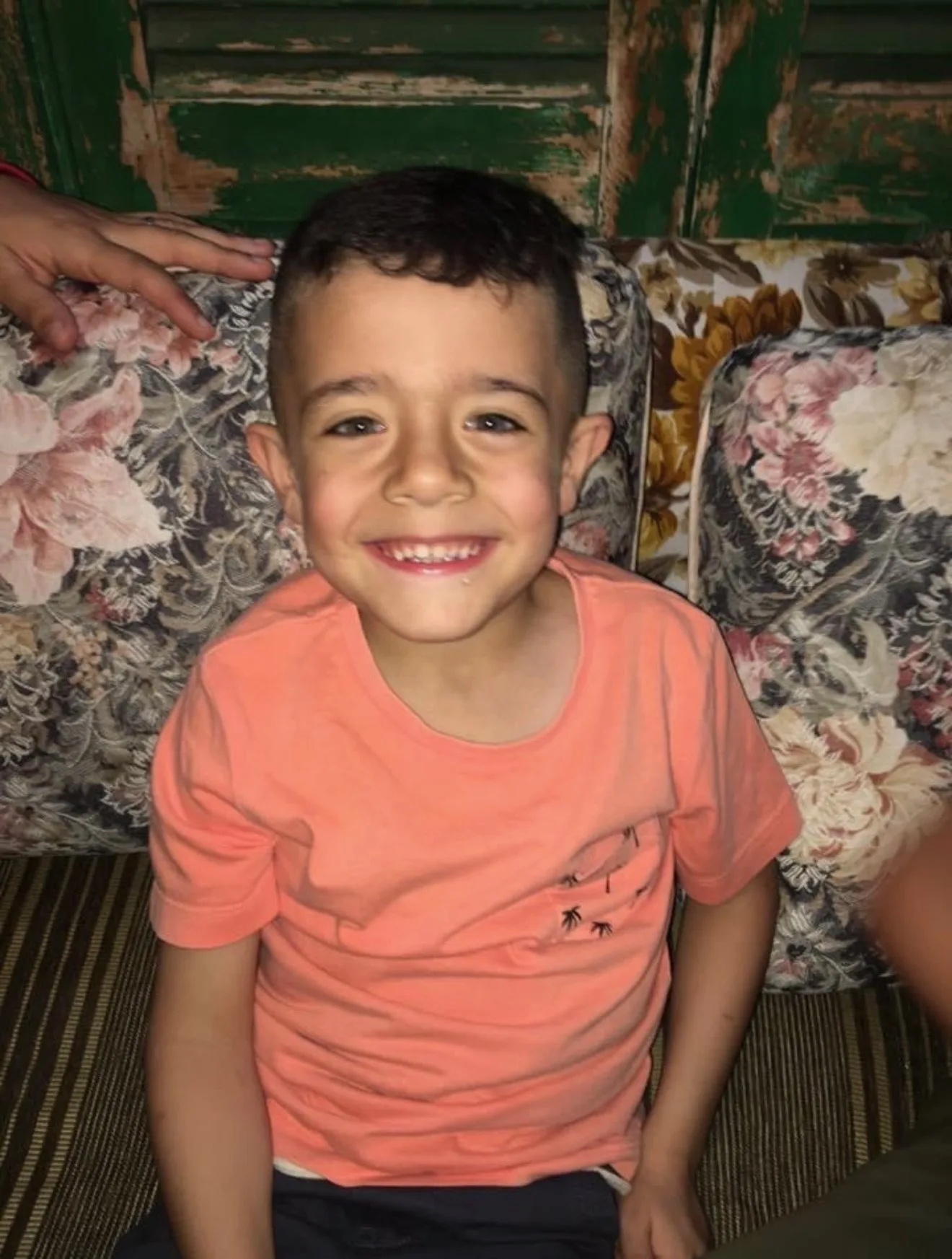
Just five months after losing my nine-year-old son Mohamed to a brain tumour, doctors discovered my eight-year-old boy Omar carried the same genetic predisposition to developing types of cancer.
He’d watched his brother lose his own battle. Now it could happen to him.
It was too much to bear.
But it wasn’t the only tragedy our family had faced. Ten years earlier, we’d lost our beautiful daughter, A’isha, aged three.
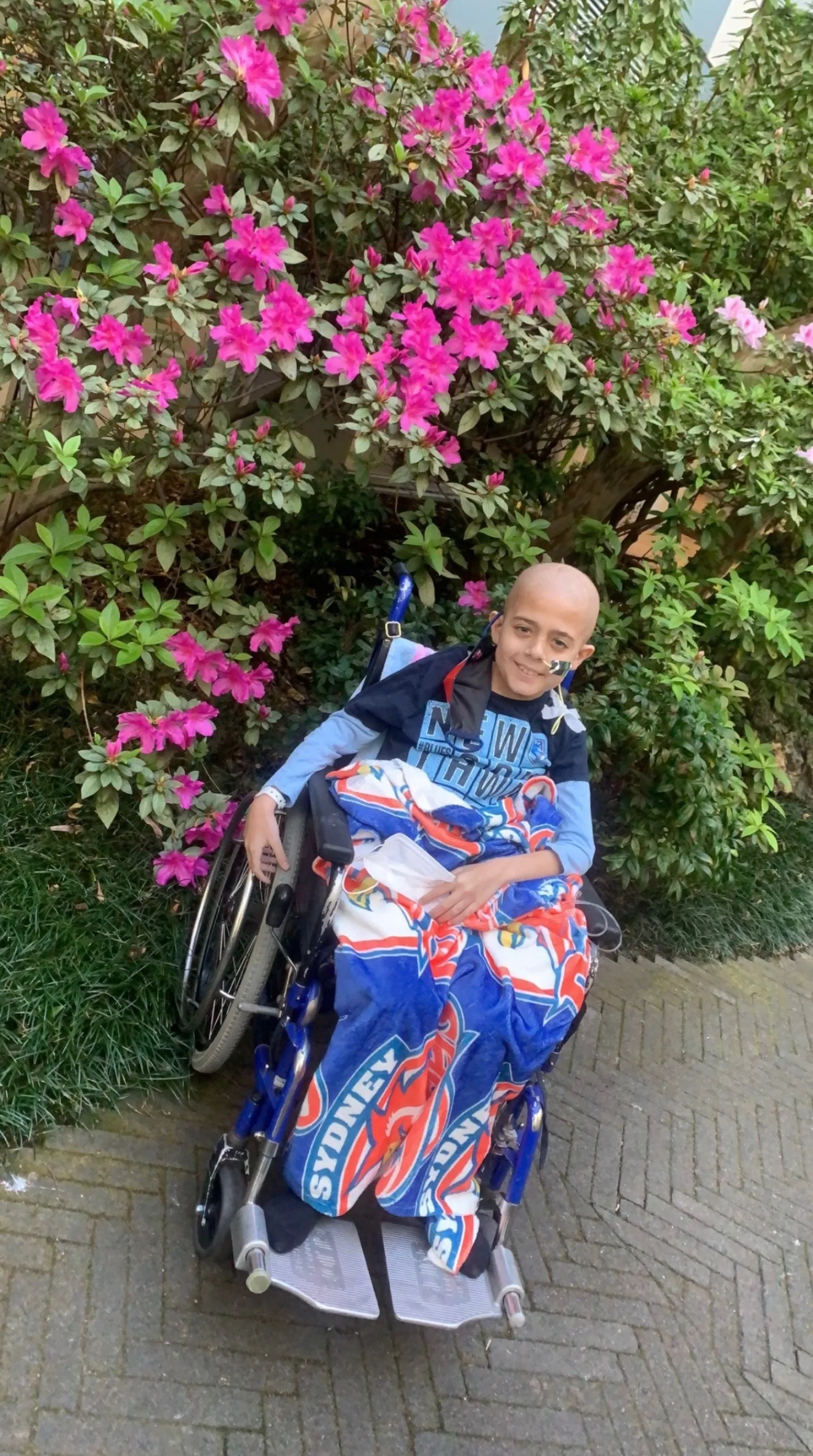
Now, Omar needed hope, so my husband Fadi, 42, and I made the impossible decision not to tell him or our other sons Rabieh, then 12, and Lu’ay, five.
Every three months Omar had MRIs and blood tests. Every clear scan brought enormous relief.
Then in November 2019, doctors found a 2.5cm tumour beneath his left ear.
I couldn’t tell him the truth. After seeing Mohamed die from a brain tumour, Omar believed cancer meant death.
Instead, I told him he had an ear infection.
‘You’ll need to stay in hospital while they fix it,’ I explained.
‘Okay, Mama,’ he smiled.
Some nurses urged me to tell him he had cancer, but I refused.
‘The minute he hears that word, he’ll stop fighting,’ I said.
Without fear, Omar bravely completed six weeks of radiation.
By January, the tumour had disappeared.
To celebrate, we took the boys to Queensland. For eight precious days they swam, laughed, ate delicious food, and met Superman at Movie World.
For a while, life felt normal again.
Omar returned to school while continuing quarterly scans.
Then, in June 2021, he woke with terrible stomach pain.
At Westmead Hospital, blood tests revealed he had non-Hodgkin lymphoma.
‘We need to start chemotherapy immediately,’ they said.
I told Omar he had another infection.
‘Because this one is so painful, we need stronger medicine for you,’ I said, fighting back tears.
‘No worries, Mum,’ my boy chirped.
Omar started chemo the next day. It was heartbreaking watching the toll it took on him.
Six weeks later his intestines ruptured, requiring emergency surgery. Please let him survive, I prayed.
Covid restrictions meant I faced the agonising eight-hour wait alone, while Fadi stayed at home with the other boys.
Omar woke with a stoma bag – a special pouch to collect waste after his lower intestines were re-routed – but he never complained.
Every attempt to restart chemotherapy caused him unbearable pain.
As he lost his hair and his tiny body became frail, I constantly reminded him how brave he was.
After two months, doctors advised we stop chemotherapy altogether.
The head doctor called specialists around the world, desperately searching for another way to treat him. But every answer was the same – there was nothing more they could do.
‘It’s time to take him home and spend whatever time he has left with his family,’ the doctors said.
When I told Omar we were going home, he was thrilled.
‘You’re all better now,’ I told him.
Lying to him broke my heart, but I wanted my son to spend his remaining time believing he was getting better, not waiting to die.
The treatment had caused irreversible damage to his body and, over time, he endured 18 surgeries.
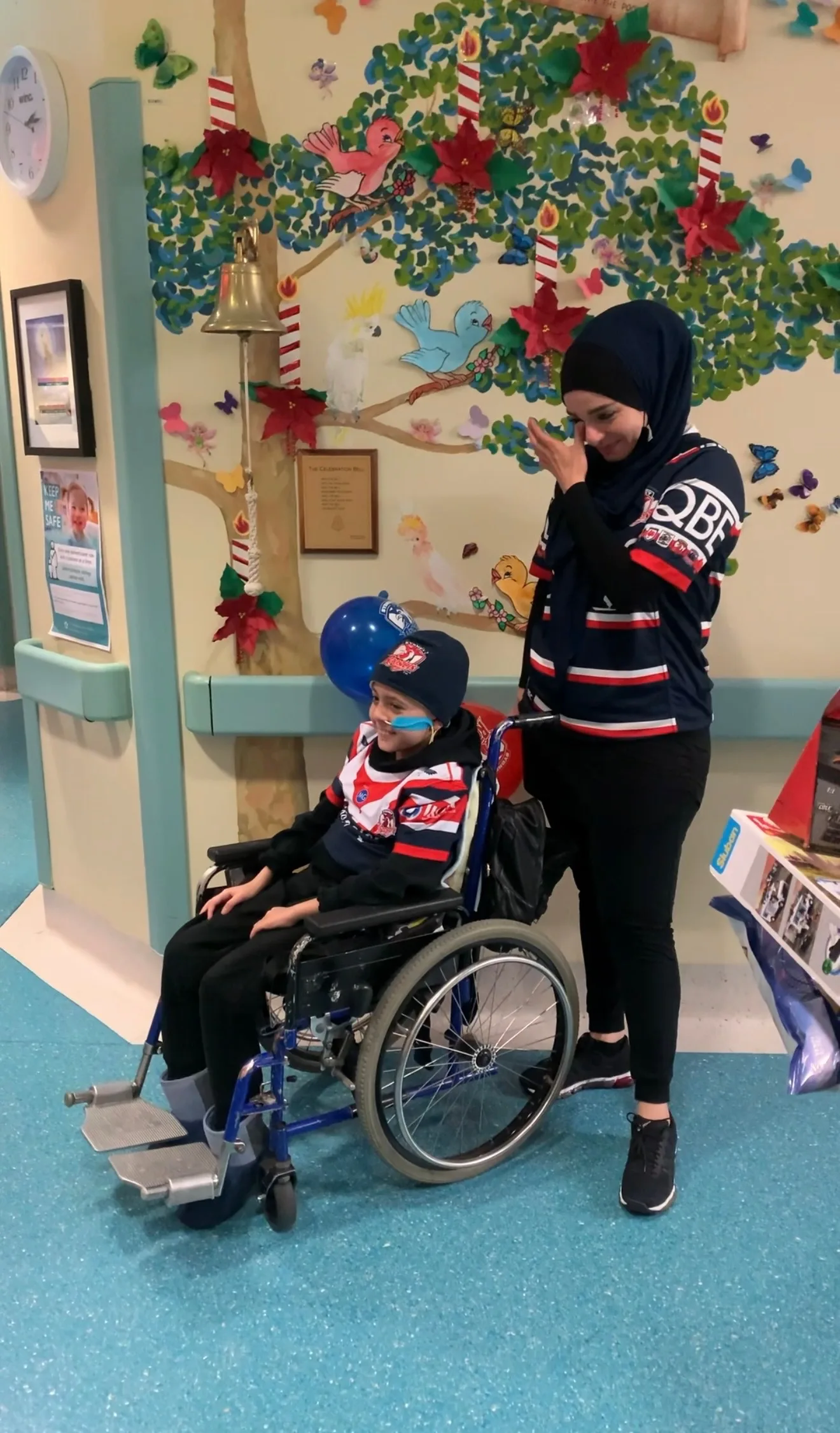
On the day he rang the hospital bell, celebrating the end of treatment, he beamed. ‘This is the best birthday present ever,’ he cried, turning 10 that day.
In that moment, everything was worth it to see him smile.
Back home, his brothers were overjoyed.
I devoted myself to helping keep Omar happy while managing his pain. By now his heart was weakened, his kidneys struggled and, in December 2021, we rushed him to hospital when he developed a 40-degree fever.
Fluid had filled his lungs, requiring three more surgeries to remove it.
Determined to keep smiling, I turned his hospital room into a party, adding a disco light, and we danced to Justin Bieber’s ‘Baby’.
When family visited, I asked them not to tell Omar they were saying goodbye.
Over the following two days, he slept more and more. On January 14, 2022, I knew the end was near.
I prayed, God, please make it quick. Don’t let him suffer.
I kissed his cheek. ‘I love you,’ I said, one final time.
When I stepped out of the room, with Fadi in bed beside him, our beautiful boy took one final breath and peacefully passed away.
Hearing he was gone, I collapsed. Even knowing it was coming, nothing prepared me.
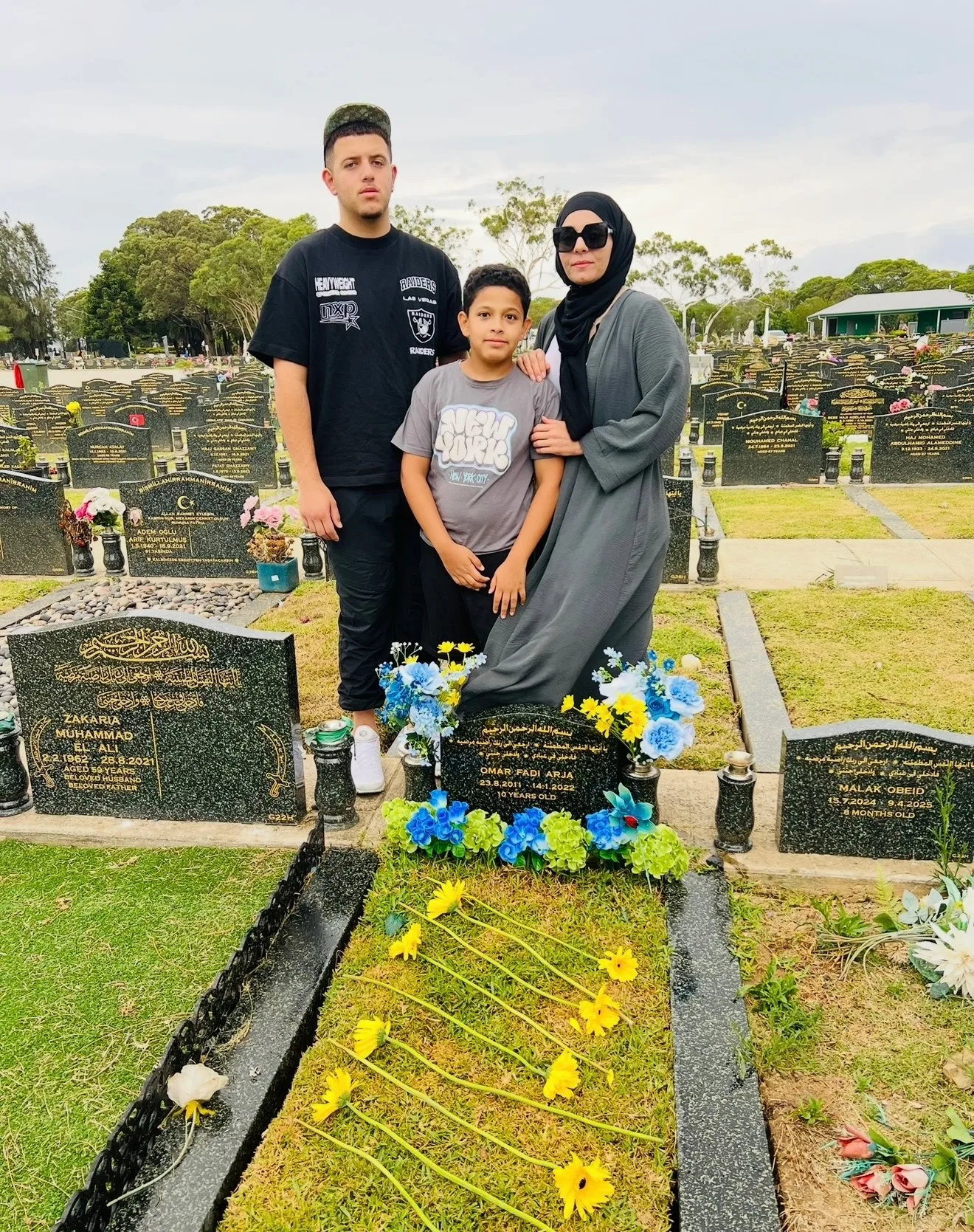
Two days later, we laid our son to rest.
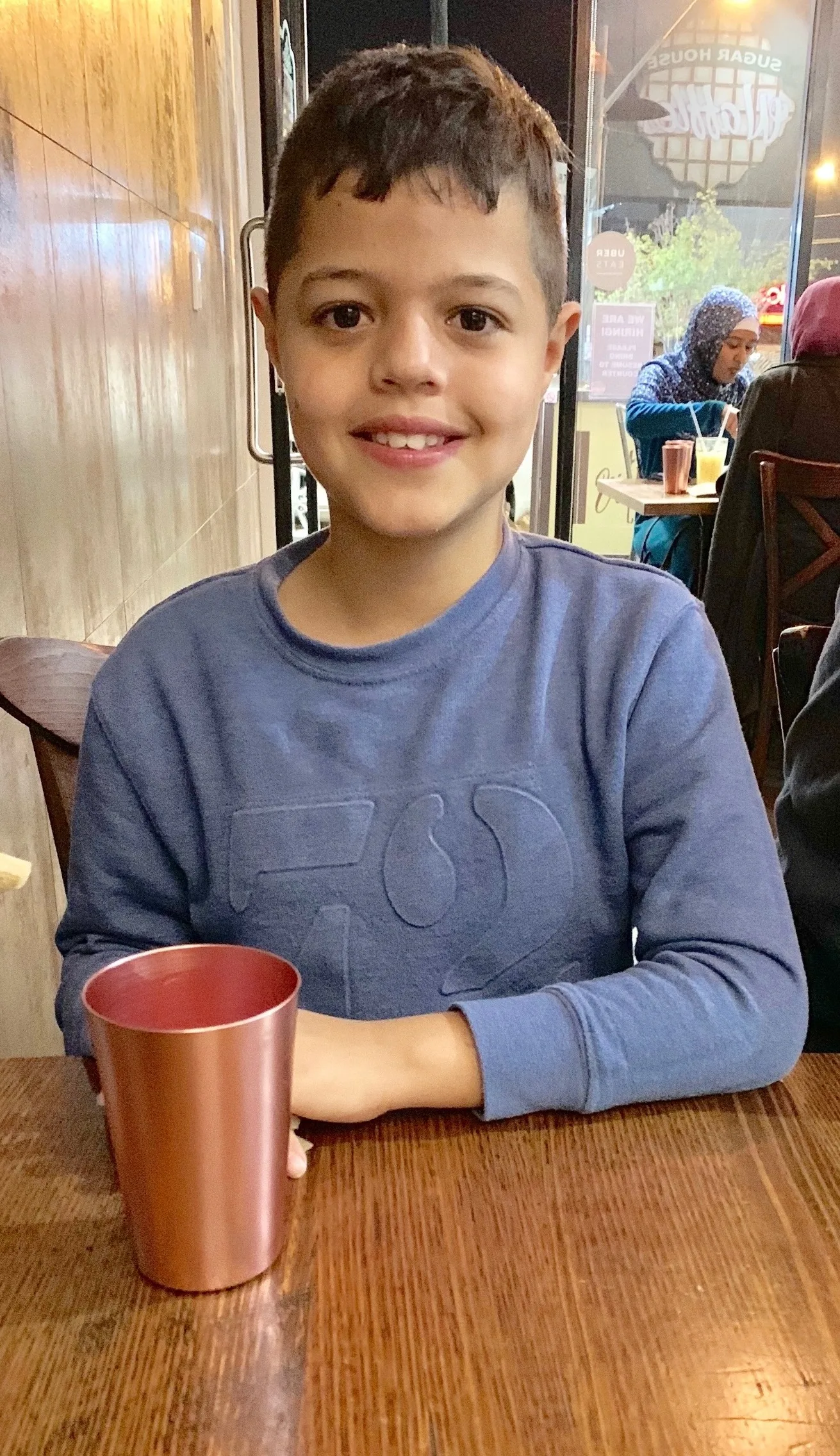
Losing three children could’ve destroyed me. Instead, I chose to keep living for my two surviving boys, Rabieh, now 19, and Lu’ay, 11.
Every morning I walk along the beach before sunrise. I pray constantly. My faith reminds me A’isha, Mohamed and Omar are together in Heaven.
We speak openly about death at home.
We look through memory boxes filled with their siblings’ treasured belongings, because I never want them forgotten.
In 2023, at 40, I became a personal trainer. Fitness had been something my children shared with me, so it felt like carrying a piece of them forward.
Around that time, I found the video of Omar ringing the hospital bell and shared it on TikTok @gewaarja
What you did for your son is touching, one comment read.
He deserved to ring that bell, added another.
To date it’s been viewed over 52 million times.
I’ll never stop sharing about my kids.
Grief doesn’t end love and I still have so much love to give my kids, so I honour them by sharing who they were.
I tell grieving parents life becomes 50-50, there’s never joy without sadness.
One moment I can be laughing with my family, the next, the grief crashes over me without warning.
I’ve accepted that’s how my life will always be.
I still have hard days, but my children fought so hard for their lives, how could I ever give up on mine?


Related stories
Native ad body.
Native ad body.
Native ad body.