


- Growing up on a farm, Dr Julia was no stranger to animals, so when she started wrangling sharks in the Roper River after graduating university, it came as no surprise to her loved ones
- Before working with sharks and rays, Julia had little knowledge on the species but she quickly became fascinated after realising how much they contribute to the environment
- Today, Julia works with some of Australia’s deadliest predators, hoping to protect the wildlife and their habitats in the Northern Territory
Here Dr Julia Constance, 31, Darwin, NT, tells her story in her own words
How on earth did you end up there?’ my mum, Julie-Ann, 73, always laughs as we chat about my life in the Top End.
I came to the NT during my university studies, before undertaking a trip to work with speartooth sharks in the Roper River.
I never planned to wrangle sharks for a living, but now I wouldn’t have my life any other way.
Growing up on a crop farm in northwest NSW where my family grew wheat, barley, sunflowers, chickpeas and more, on non-irrigated dry land, it was a real struggle.
Living through the millennium drought – a dry spell that swept through Australia between 1996 and 2012 – Mum came out of retirement and went back to nursing to keep a roof over our heads.
Life on the farm also meant taking in injured animals – often the victims of road traffic – including goannas, turtles, birds and possums, before handing them over to wildlife carers.
READ MORE: Shark bite horror: I punched a shark to survive!
And I knew very early on that I wanted to work with animals.
In 2014 I went to study conservation biology and photography at uni.
During my undergraduate degree, I was living in Wagga Wagga and signed on to do volunteer research work with reptiles and mammals in far-western NSW.
I learned how to conduct pitfall surveys to trap species and record their numbers, measurements, weight, and take genetic samples.
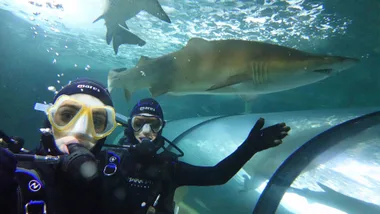
Then from 2016 through to 2020, I travelled to Far North Queensland where I started working with sharks and rays.
I conducted research in the Gulf of Carpentaria as a volunteer, recording which species were caught, and details such as sex, measurements, and genetics.
The brackish waters of this large but shallow tropical sea, make perfect nursery grounds, and are home to a wide variety of sharks and rays, including pigeye sharks and spotted eagle rays.
READ MORE: I beat crocs and sharks to paddle round Australia
Working in crocodile country meant all research was done from the boat.
Knowing nothing about sharks before I began working with them, I quickly became fascinated.
Sharks and rays play a vital role in the environment, with some regulating prey populations while others engineer ecosystems, and contribute to the health of some of the ocean’s most important habitats such as coral reefs, kelp forests and seagrass meadows.
They’re one of the most threatened groups of animals on the planet, with populations in decline due to overfishing, habitat loss, climate change and pollution.
Conducting research along pristine rivers, in low populated areas, I struggled to understand the cause for the low numbers of shark and rays.
Sharks and rays are in real trouble, I realised.
READ MORE: Shark bite horror: My head was inside the shark’s jaws
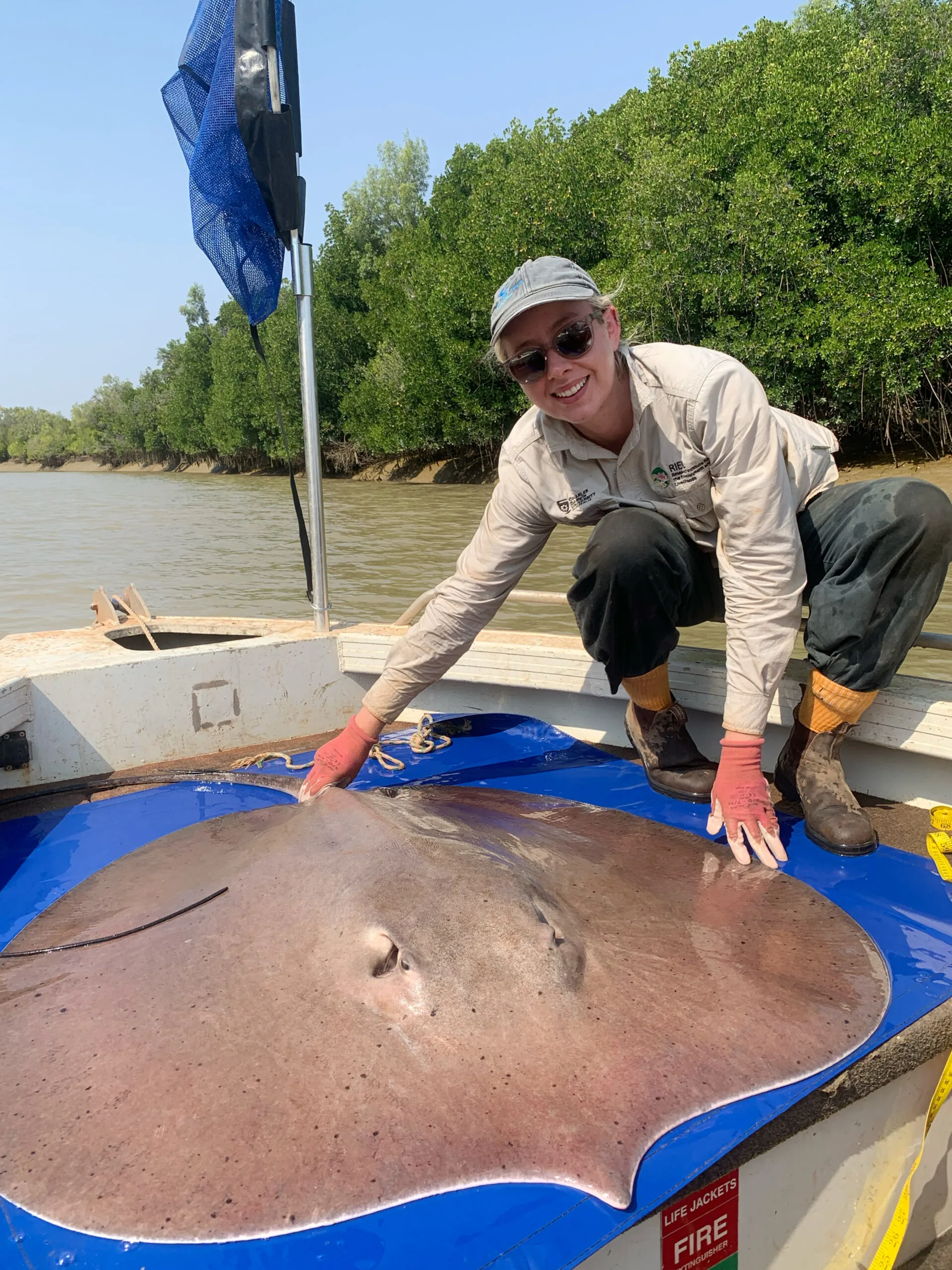
In 2021, I relocated to the Northern Territory to further my studies, undertaking an honours degree. During my research, I studied a rare species of stingray, the Java stingaree, found in Indonesia, which I then officially listed as extinct, as none had been sighted for more than 160 years.
For so long, people have thought of the ocean as a bottomless pit with unlimited wildlife.
I’m proving that is far from the truth.
Five years on, I’m proud to call the Top End home.
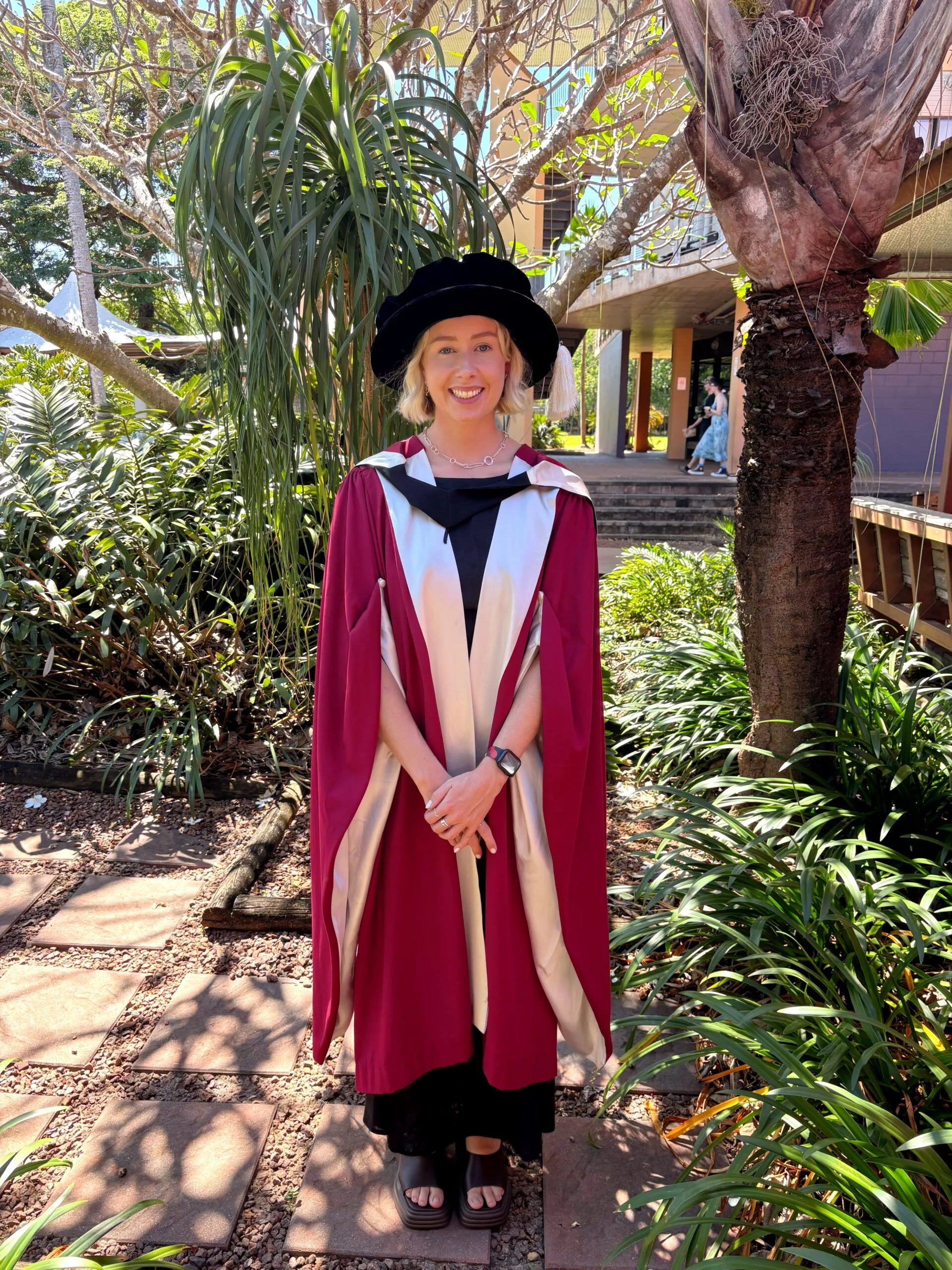
These days, after receiving my PhD in December last year, I work with rays and sharks, conducting research on the northern river shark, speartooth shark and freshwater whiprays.
Working with just one other researcher, together we conduct our research along one of my favourite places in the world – the Roper River – one of the most remote and untouched waterways in Australia.
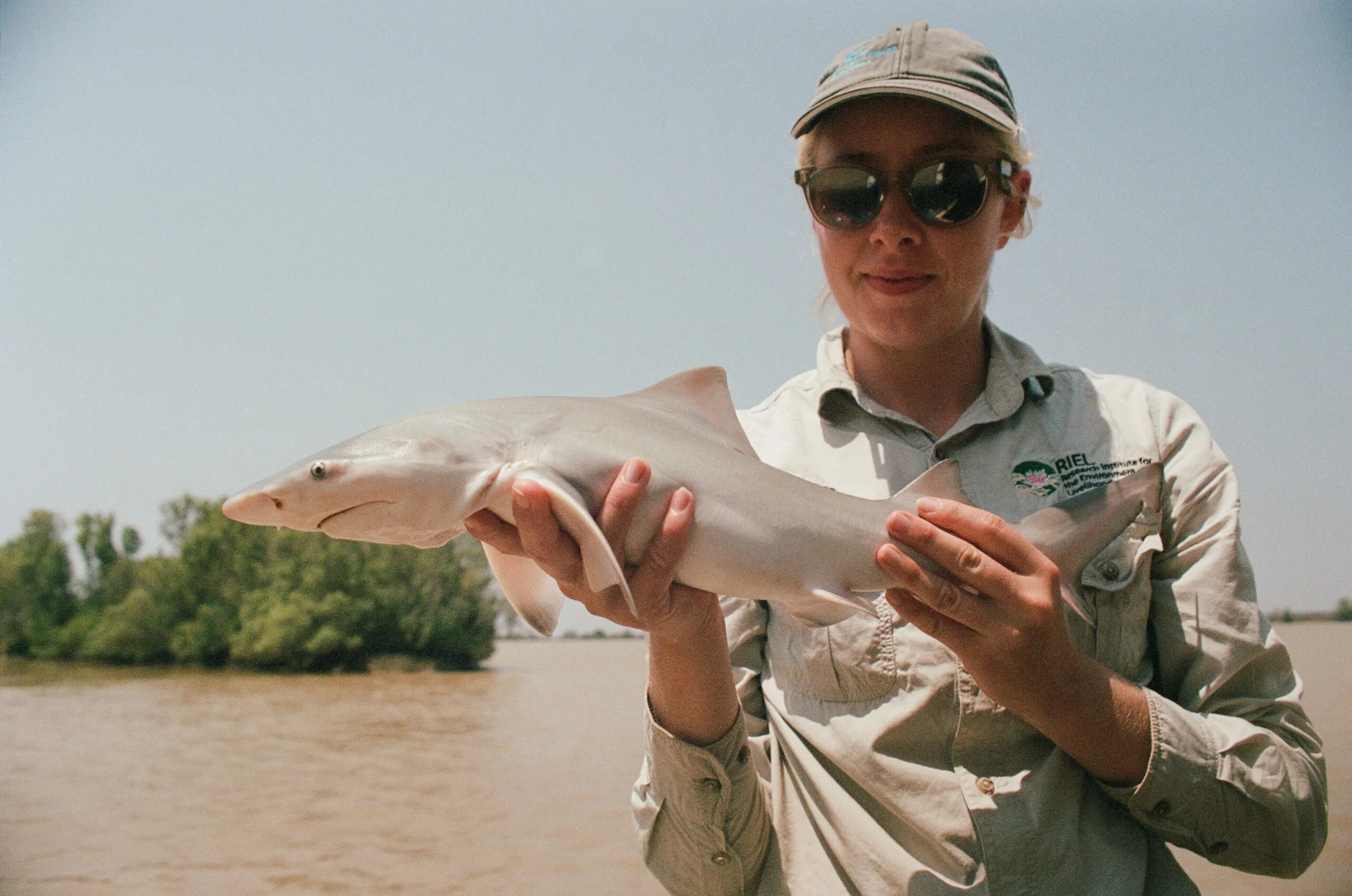
With the region being mostly inaccessible by road for several months of the year during the wet season, I’m on the river around 12 hours a day, and sleep in a very basic camp on the floodplain. You just have to make sure you’re far enough away from the bank and look out for croc slides – a track or groove left in mud or sand by a crocodile moving along the riverbank!
Boarding our boat each morning, we cruise the river catching and safely releasing sharks and rays.
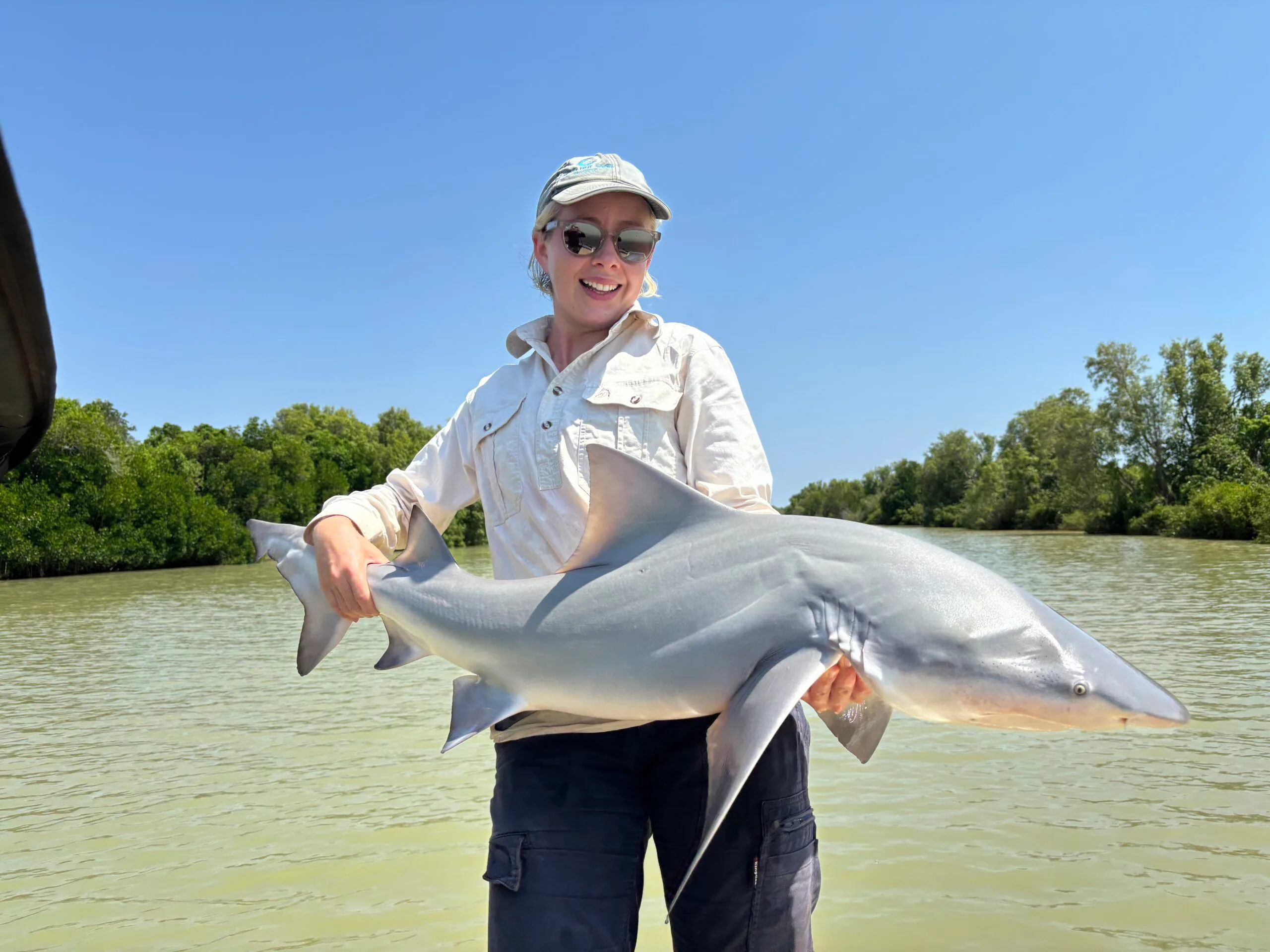
Wrangling shark pups and juveniles on board, it’s my job to tag, measure and record them before returning them to the river.
One of my smallest catches was just 50cm long, weighing around one kilo, and my largest standing at 1.4m long and around 20 kilos.
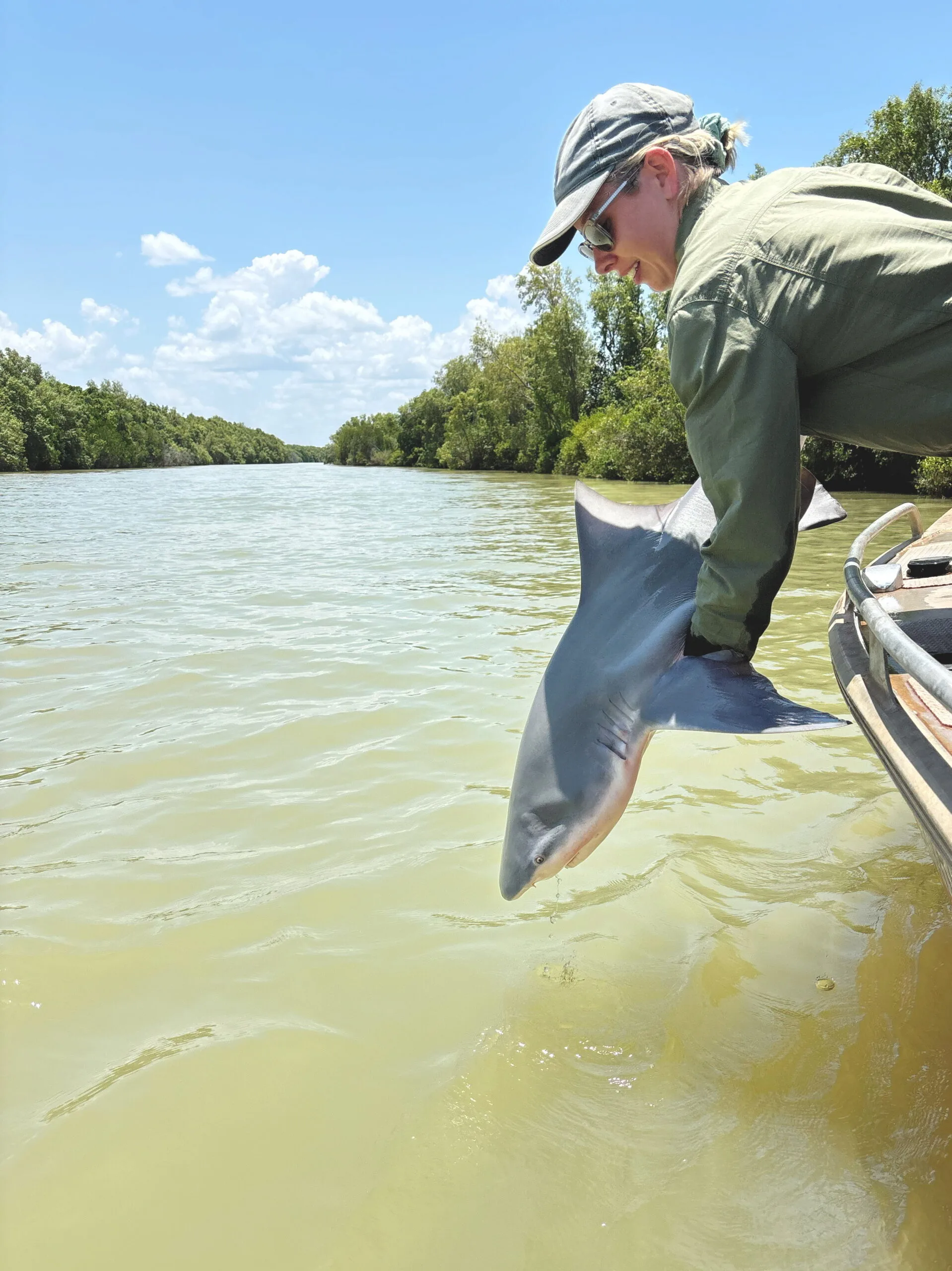
I’ve had a few close calls, with one crocodile lining herself up to launch at me, and a shark I was lifting on board catching its jaws on my sleeve.
But I know all animals are more scared of me than I am of them.
Being a woman in a male dominated industry, people don’t expect to see a young lady driving boats in these remote rivers.
Men are often waiting for me to make a mistake so they can come to my rescue. But I love proving them wrong!
My hope is that my research will help protect the wildlife and their habitats in the Northern Territory.
Though I never imagined I’d be wrangling sharks for a living, I adore what I do and love that I’m making a difference to their future.

