

Having travelled to Japan once before, I happily snapped my way through Tokyo, Kyoto, and Osaka.
But this time I went to Ishikawa prefecture – a hidden gem off the regular tourist path. And it proved to be surprising in more ways than one.
Here are just some of the highlights.
Nanao
The first stop on my itinerary was perfect for a sweet tooth like me.
Kagetsu Ipponsugi is a confectionery shop in Nanao City that has been around for 125 years, passing down skills through the generations.
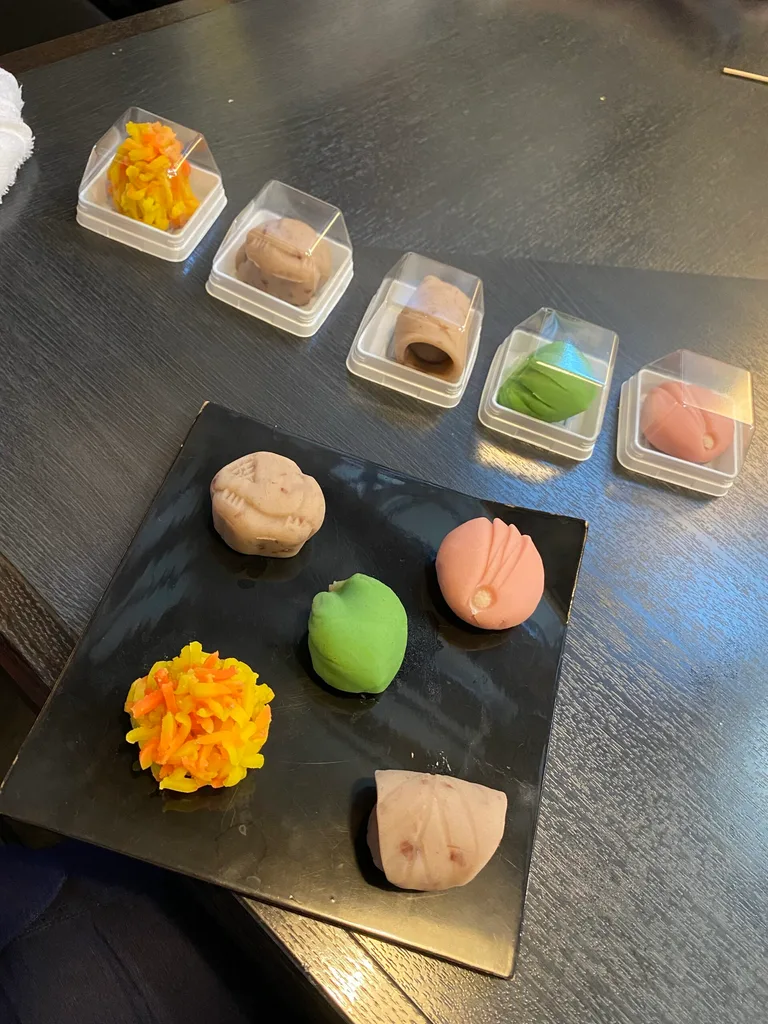
They offer sweet-making sessions and I got to try my hand at making wagashi (traditional Japanese sweets), or as I like to call it, edible art.
Inspired by the colours and seasonal beauty of Japan, the sweets are made from rice or wheat flour, nuts, bean paste, starches and natural flavours, such as yuzu, matcha and sesame.
After watching the artisan work his magic, it was time for us to get stuck in. The final product? Five perfectly imperfect wagashi!
Once the work was done, the artisan’s wife prepared a tea ceremony to enjoy with our sweets.
Did you know when drinking tea in Japan, it’s polite to use both hands to hold your cup?
READ MORE: ‘Japan’s hidden gem: Gifu travel guide’


Kaga City
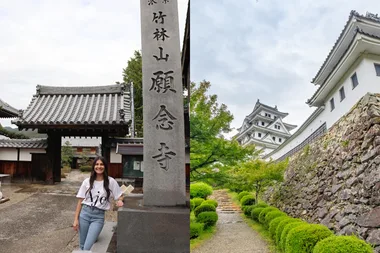
If relaxation and self-care sound like your kind of vacay, Kaga, known for its traditional meiji-style hot springs, should be at the top of your bucket list!
Yamashiro is one of four hot spring villages that make up Kaga Onsen.
Nestled in the foothills of Mount Hakusan, the spring waters were first discovered by Monk Gyoki during his pilgrimage 1300 years ago.
Since then, the hot spring village has two main attractions, Ko-Soyu (old bathhouse) and Soyu (a more modern bathhouse), located in the heart of the town square.
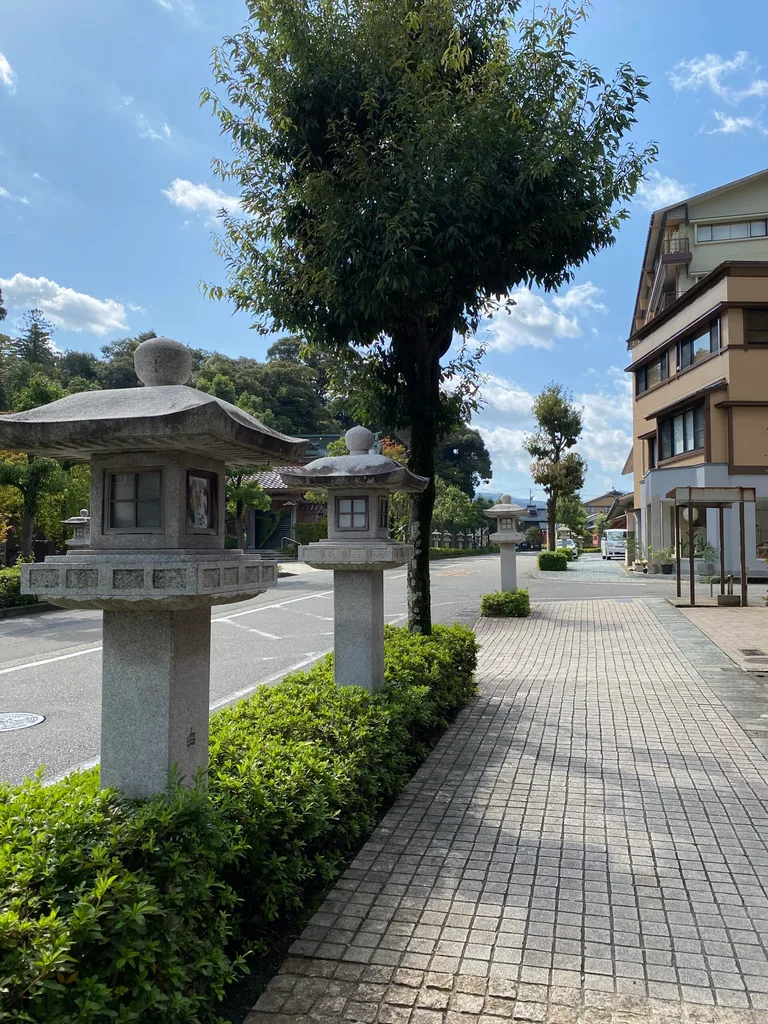
For the perfect place to relax and unwind for a few days, Kai Kaga is a small hot spring resort located in the city centre, and its bath halls are decorated with traditional gold and silver leaf and ceramic panels depicting seasonal motifs.
The best thing is that guests can visit the bathhouse as many times as they like during their stay at no extra cost.
I quickly learned it’s Japanese custom for everyone to leave their clothes outside the bath and not enter with a swimsuit. Before entering the bath it’s polite to lightly wash your body, and cover any tattoos.
And if you’re a little bit body shy like me, you can book your own private soak at Kai Kaga.
Wajima City
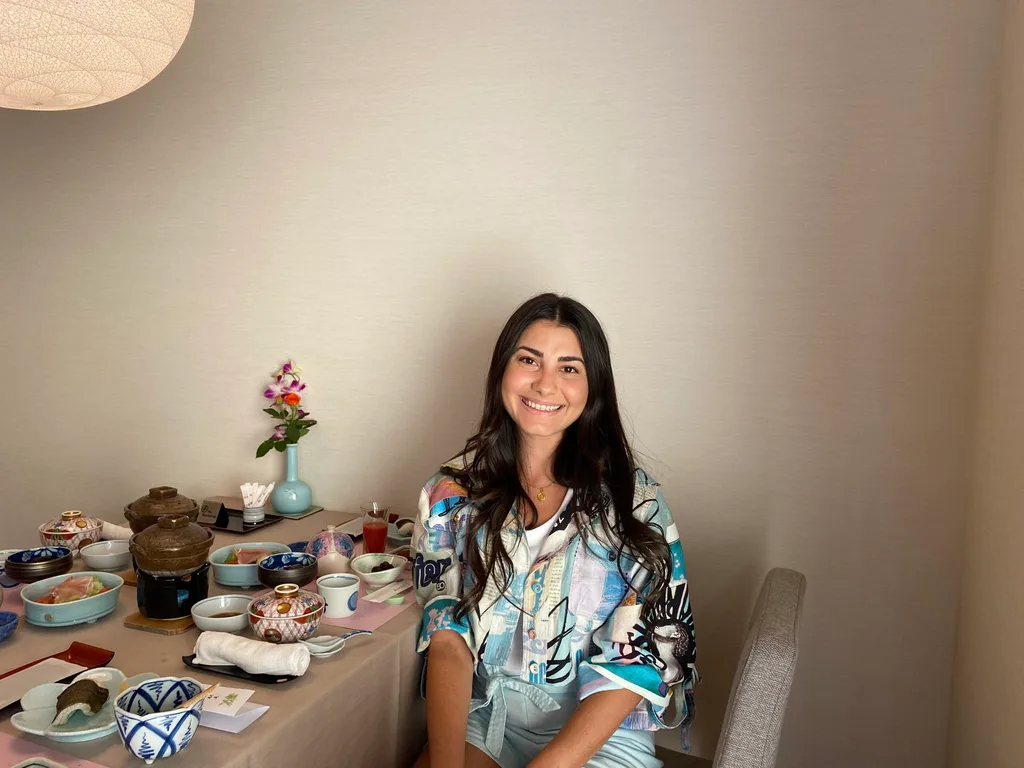
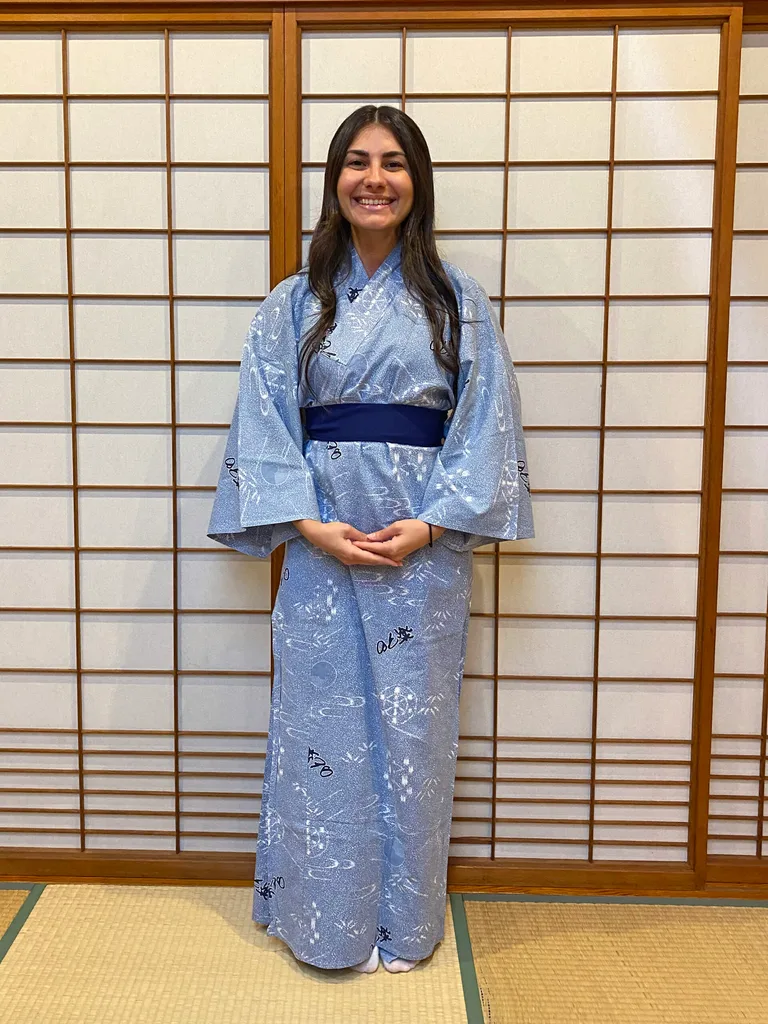
A highlight here was Saryo Somamichi, a guesthouse and restaurant where drinking sake out of a 300-year-old porcelain cup is a part of the experience.
If you’re known to be a bit clumsy like me, there’s also plenty of clumsy-proof lacquer-ware!
Nestled in the forest of Oku-Noto, around 20 minutes by car from Noto airport, the guesthouse’s first floor has a dining area complete with artisan lacquer furniture and dinnerware, while the second level is fitted out for home stays.
Chef Yutaka Kitazaki’s elegant dishes are served with love, and he hand picks local seasonal ingredients, including wild mushrooms, edible plants, chestnuts, and lotus roots.
The star was the wild mushrooms – it took me a minute to wrap my eyes around their very colourful appearance, but gosh were they were delicious!
READ MORE: ‘From the best beaches to where to eat, Lizzy shares her Milos travel guide’
Noto Peninsula
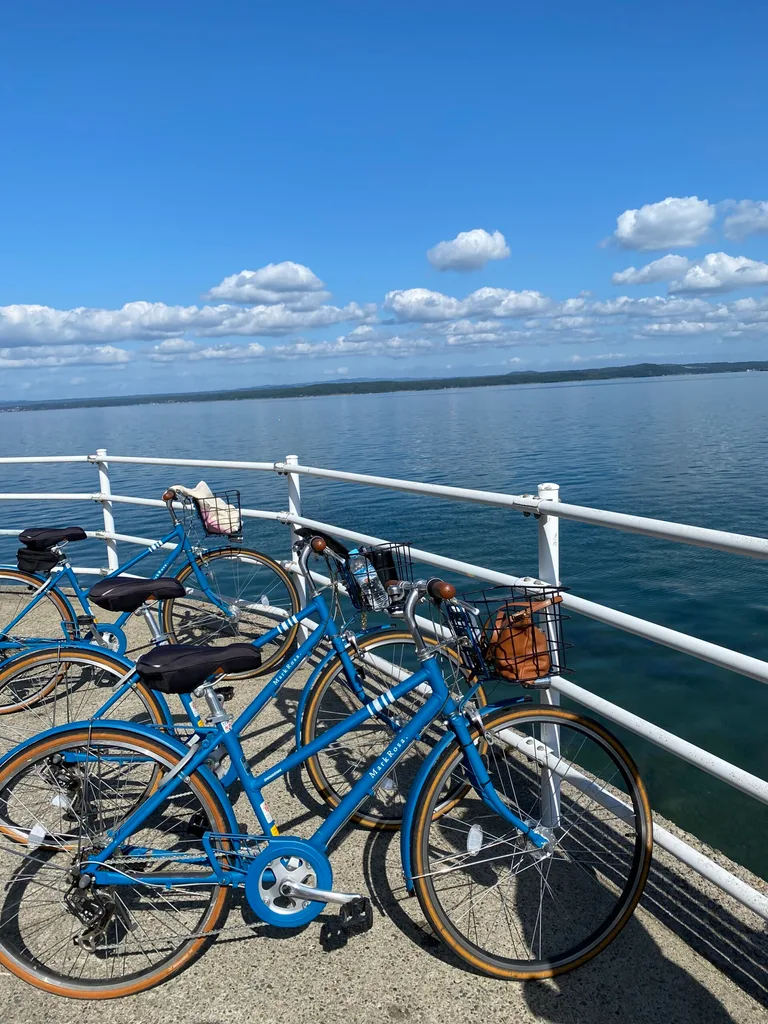
To enjoy this place, I laced up my trainers and strapped on a helmet for a cycling tour that was so much fun!
Noto Island’s secluded location and rustic charm make it the perfect escape from the bigger cities.
Recognised as a World Agricultural Heritage site, what appears to be a sleepy town has so much happening, with much of Japan’s traditional culture evident.
Riding through rice paddies, past holy temples, along beautiful coastlines and fishing villages, there’s so much to explore.
A word of warning – keep an eye out for pesky monkeys sitting high up in the fruit trees. They are armed with fruit, and have great aim!
At the end of the three-hour tour, the finish line is a special spot on the coastline.
And the reward was a glass of piping hot sour plum juice – a family recipe which was absolutely divine.
READ MORE: ‘Québec Travel Guide: Your Winter Wonderland Awaits’
Satoyama
The farming and cooking experience at Satoyama Marugoto Hotel was hands down my favourite of the whole trip!
Designated as globally important for its heritage agricultural systems, this area of forests and grasslands is a perfect place to escape life’s hustle and bustle.
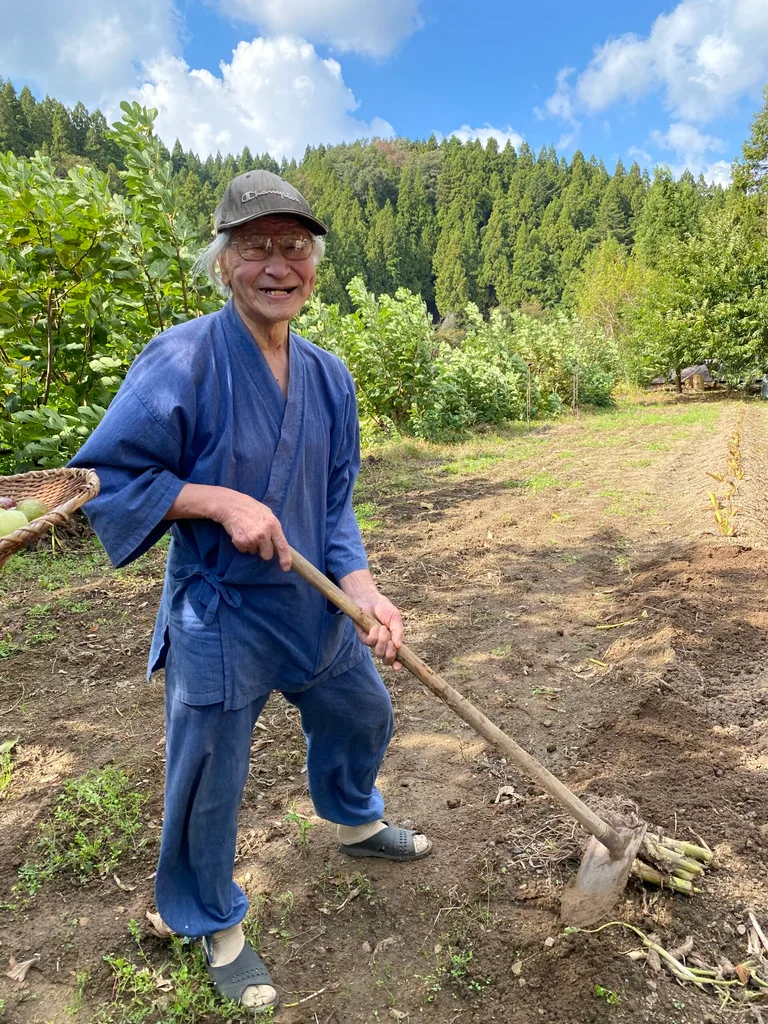
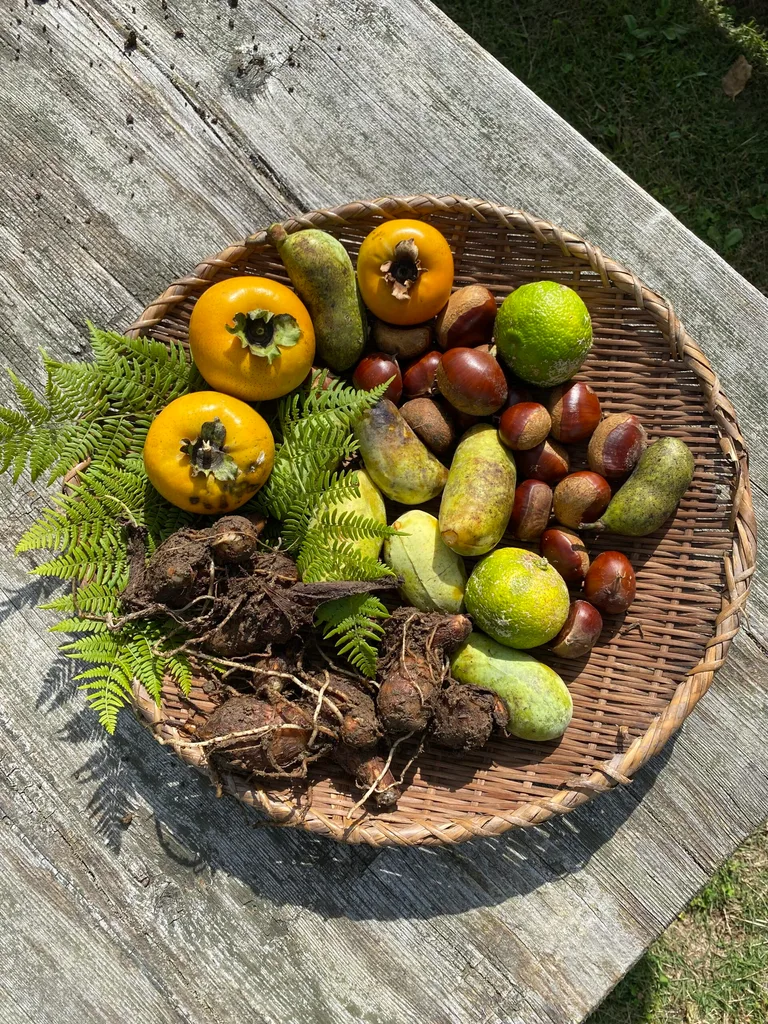
Walking through rice paddies, a luxuriant orchard and vegetable garden with a grandpa guide, Mr Yamaura, we harvested seasonal fruit, vegetables, and edible plants for lunch.
Back at the 100-year-old thatched roof homestead, grandma cooked up our harvested goodies – persimmon, chestnuts, custard apple, yuzu, potato and wild plants.
Using traditional cooking methods grandma’s recipes did not disappoint – the chestnut rice with crispy chicken was life-changing!
This is a place I definitely want to return to!
Having grown up alongside a beautiful grandfather of my own, my favourite memories are of us exploring his vegetable garden, collecting fruits and being taught how to nurture the plants.
Every part of this experience filled my heart and belly with happiness, I’m pretty sure I left part of my heart under my own grandfather’s favourite, the persimmon tree.
Thank you, Ishikawa. I will be back!