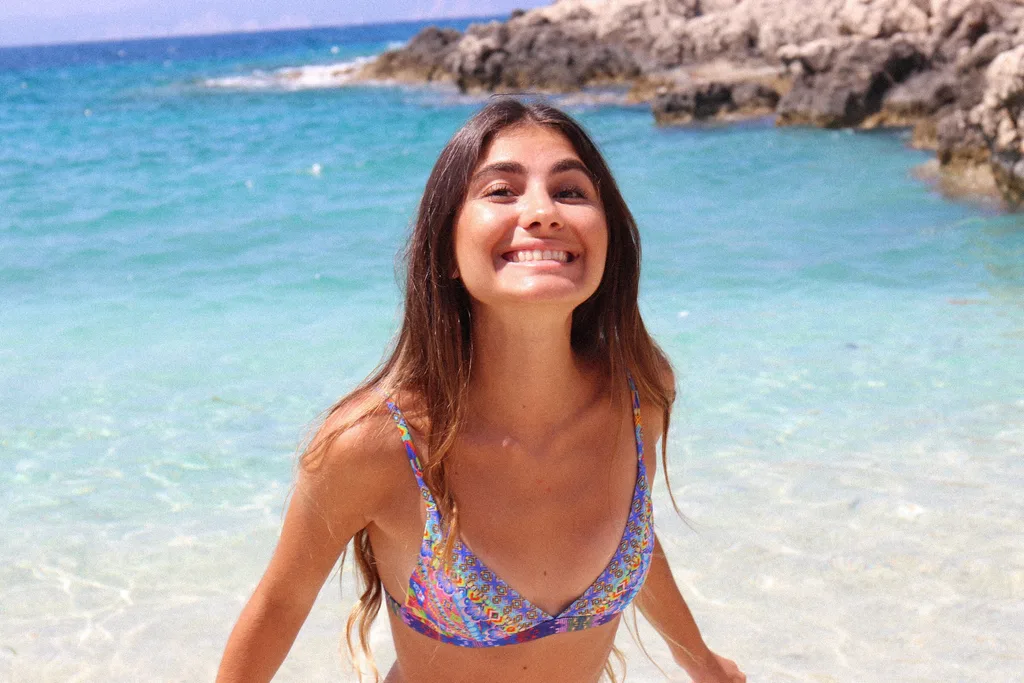


After years of planning, I finally made it to Europe for the summer of my dreams!
My grandparents Elizabeth and Nikolaos immigrated from Sparta, in Greece, in the 1950s.
As a second generation Aussie, I’ve always felt so connected to my motherland and was excited to be visiting.
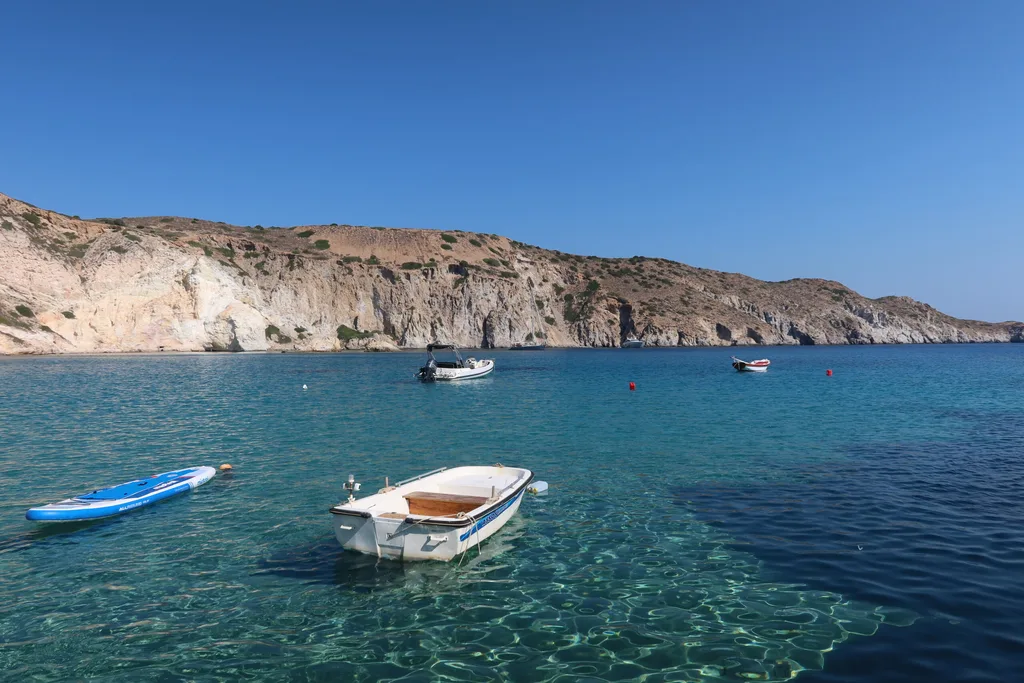
Hoping to find a Greek island away from the tourist eye, I landed on the perfect place – Milos, one of the Cyclades Islands.
The island boasts a mythological landscape, and the bluest water in the Aegean Sea.
With a string of glorious beaches to explore by day and restaurants serving freshly caught seafood dotted along the seaside to enjoy by night, it was all I’d dreamed of and more.
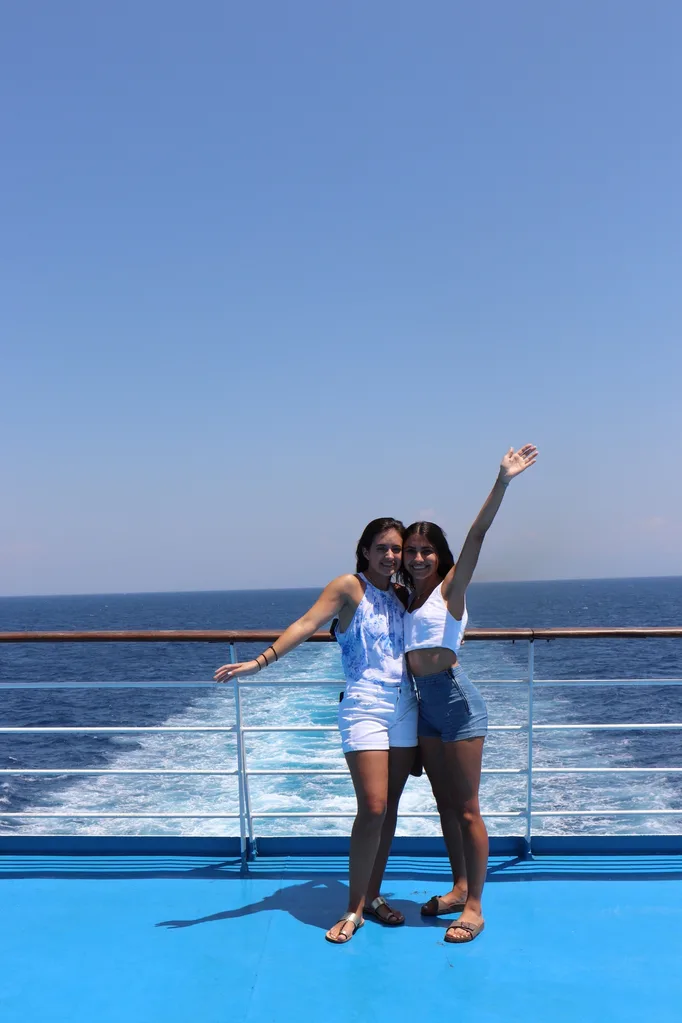
Milos
Born of earthquakes, tsunamis and undersea volcanic eruptions over hundreds of thousands of years, the island of Milos is a breathtaking wonder.
But until recently the mineral rich island was little more than a secret summer spot for the locals.
With more than 70 sand and pebble beaches, each with it’s own personality, surreal rock formations and charming fishing villages, Milos has quickly become a dream destination. With beauty that lies both above and below the water, Milos has earned its spot as my favourite island in Greece.
We stayed in Adamantas, a small port town in the heart of the island with easy access to restaurants, coffee shops, rental stores and a buzzing nightlife.
Our Airbnb overlooked the harbour, and we watched the sunrise from our little balcony canopied by vine leaves.
Chatting with locals we found out about the highlights of Milos that are dotted around the island.
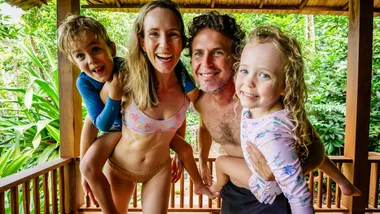
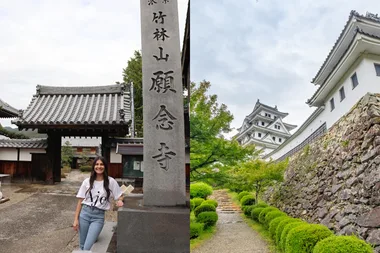
Renting a car, we braved the unsealed roads running by plunging cliff edges, as we made our way from beach to beach.
After a long day of exploring, we stopped in to one of the restaurants on the harbour front, Volta, and it was a real gem!
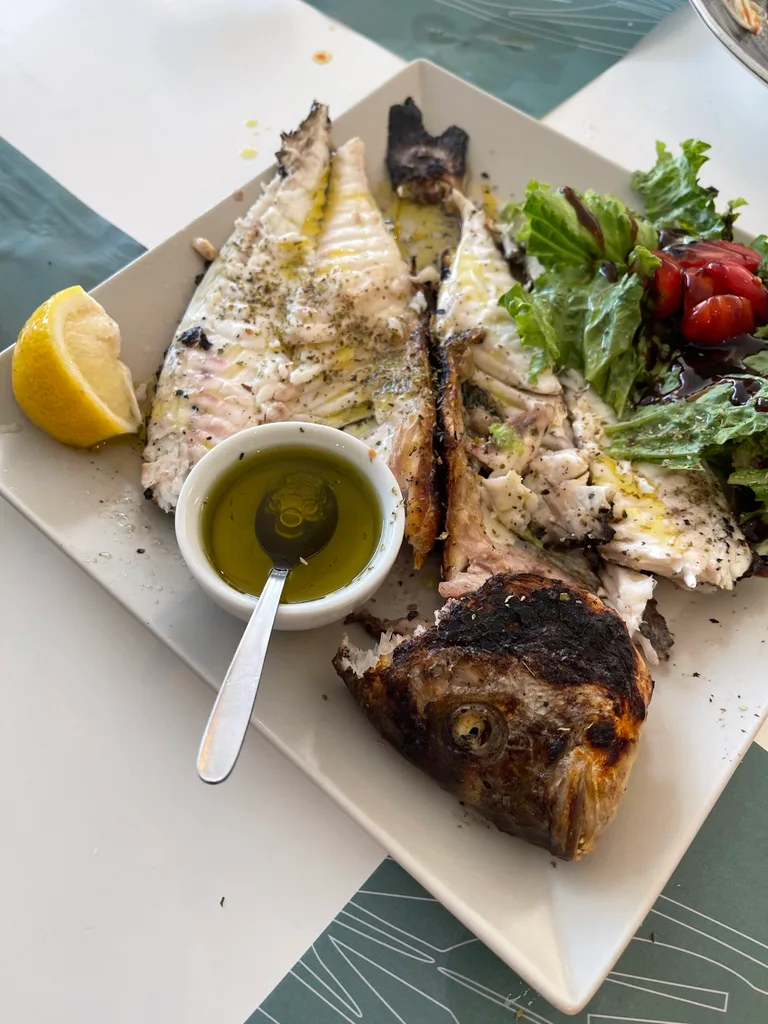
We ordered the Greek salad topped with local cheese, grilled octopus legs and grilled sea bass.
For dessert? I couldn’t look past the bougatsa – traditional Greek custard pastry. This was by far my favourite meal of the trip!

Beach 1: Sarakiniko
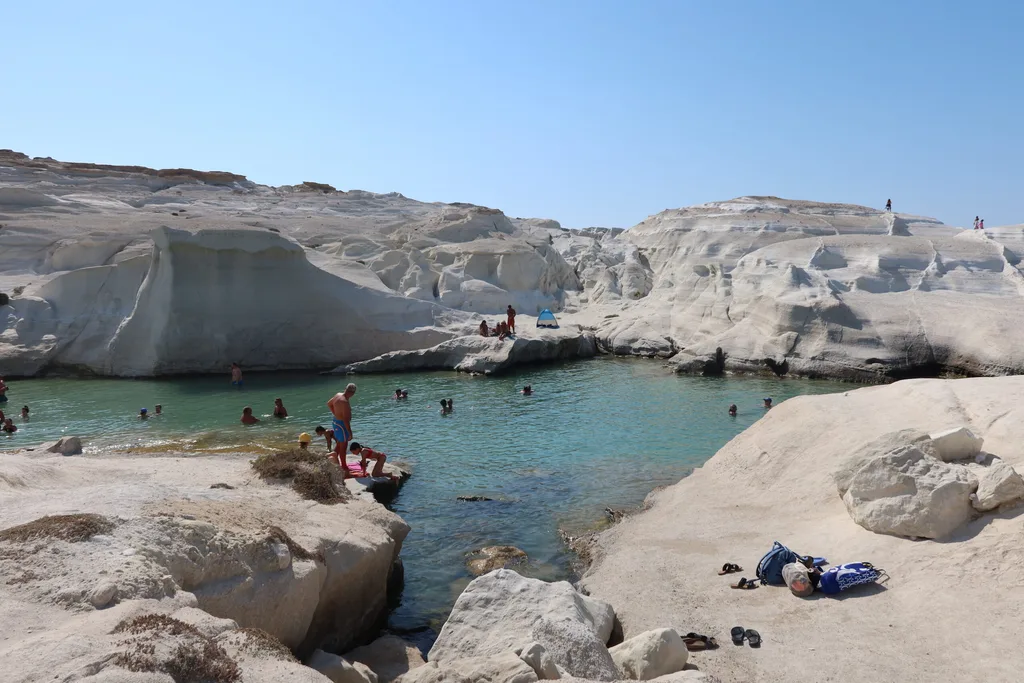
Formed from lava that’s been bleached by the sun and sea, Sarakiniko’s landscape is often compared to the moon. The smooth white volcanic rock stretches across the cliffs like frozen waves.
While there’s no sand, the soft limestone formations have been shaped by the wind and water over the centuries.
You can leap off the rocks, wander through the lunar-like terrain, or swim in the coves that lead to the ocean and embrace the turquoise waters.
To see Sarakiniko without the crowds, arrive early for sunrise or stay for sunset when the light enhances the breathtaking formations.
Easily accessible by car, there’s plenty of parking at the entrance point to the beach. The path down to the water, however, involves some walking on uneven surfaces, so wear comfy footwear.
Beach 2: Mandrakia
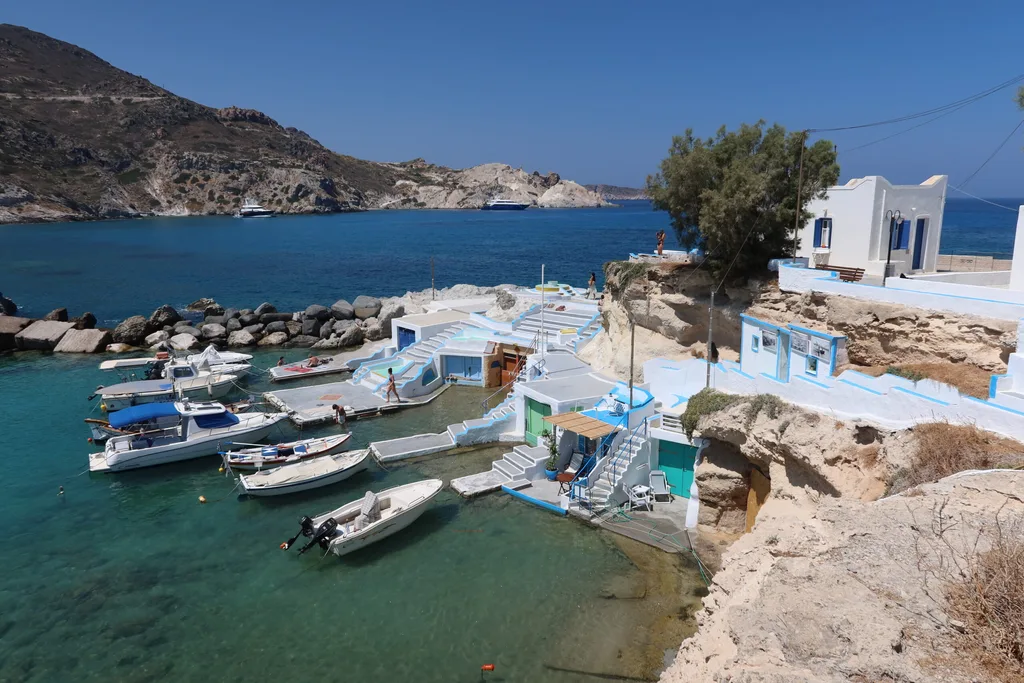
Famous for its colourful boat houses fringing a small circular harbour, the sleepy town of Mandrakia is one for the itinerary books.
Here the sea meets the land on steep cliffs made of soft volcanic rock. Over centuries, air and sea erosion has shaped caves called ‘mantres’.
A tiny port town, Mandrakia’s boat garages called ‘syrmata’ were built by fishermen to store their boats and tools during the winter season to protect them from the sea and salt.
The rocky coastline has several accessible entry points into the Aegean Sea, making it ideal for swimming and snorkelling off the dock.
Easily reached by car, the road to the village was quite steep to navigate, but there’s a nearby carpark offering a short walk down to the beach.
After swimming, we popped into Medusa for lunch. Perched at the side of the cliff and overlooking the crashing Aegean waves, the eatery is famous for its seafood and ocean views.
There are no reservations, so get there early and be prepared to wait for a table – it’s so worth it!
Start with the schizakia – toasted bread topped with fresh tomato puree – and eat your way through the delicious grilled octopus in vinegar next.
If you’re looking for the perfect spot for a sweet treat after lunch, stop in to Kivotos ton Gefseon – a cute little bakery in Pollonia 15 minutes away – for a chocolate pie!
Beach 3: Firopotamos
Nestled in the northern coastline of Milos, and at the bottom of a hill, lies Firopotamos beach.
It’s beauty is immense! A crescent of fine pebbles, soft sand and shallow turquoise waters – it’s a dream!
A postcard perfect bay with a backdrop of vibrant boathouses carved into the volcanic rock that open directly onto the water, the sleepy village invites you to slow down and appreciate its stunning beauty.
This beach is easily accessible by car but requires careful driving, especially on the final stretch, which is narrow and quite steep. There is a carpark with ample parking and it’s then just a short walk down to the beach.
Due to its sheltered position between the rock faces, the waters are always calm making it an ideal spot for families.
Just remember to pack plenty of water, snacks and a beach umbrella for the day, as there aren’t any vendors on this beach.
On the way back to the car, we walked a little further around the bay and found the stunning little Agios Nikolaos – or Chapel of Saint Nicholas – in all its whitewashed, blue-striped glory.
It’s an easy stroll to the top of the hill, and there you can light a candle for loved ones.
And just behind the church lies an ancient ruin. While the original purpose of it is unknown, the lovely archway overlooks the stunningly blue Aegean Sea, making it a gorgeous spot to take photos.
Milos was a great experience and I can’t wait to go back to my homeland and explore more of the beautiful Greek islands.