
 Supplied
- At 21, Olivia Miles collapsed with unexplained seizures and was diagnosed with rare anti-NMDA receptor encephalitis, later developing long-term epilepsy despite intensive treatment.
- Over the years she endured repeated falls, injuries, hospitalisations and emotionally devastating setbacks, including seizures triggered by her menstrual cycle.
- After finding support through Australian Women with Epilepsy, she regained hope.
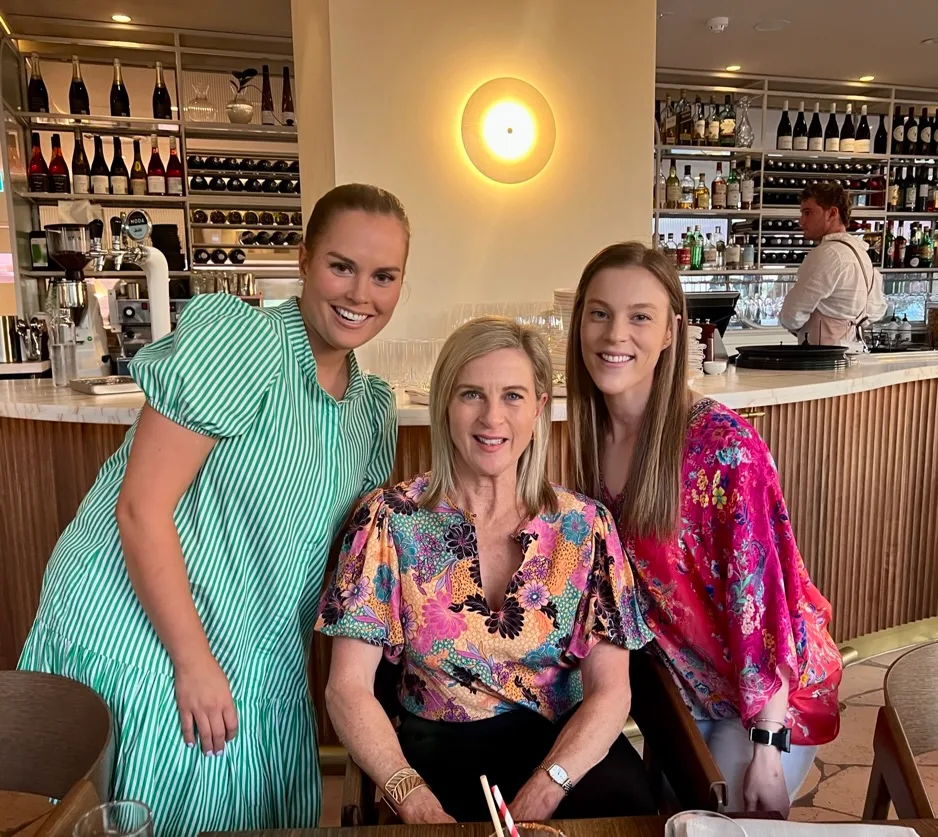
Here Olivia,31, Melbourne, Vic tells her own story in her own words.
My limbs jerked uncontrollably and I called for my mum, Suzie.
What’s happening? I panicked.
Aged 21 in May 2015, I had no idea I was having a seizure. Mum, then 56, found me 10 minutes later, unconscious on the floor, and rang for an ambulance.
I was rushed to The Alfred hospital, Vic, where I had every test imaginable. But seizures kept coming.
Doctors did video monitoring to track them, and I had ultrasounds and lumbar punctures.
Eight weeks later, I had a diagnosis.
READ MORE: Oliver was born with a severe heart defect – now he’s thriving!
‘You have a rare neurological autoimmune disease called anti-NMDA receptor encephalitis,’ the doctor explained.
‘It causes inflammation of the brain and seizures causing cognitive and mental health issues. It can also cause epilepsy.’
I was devastated. I’d had no warning or symptoms. Just days earlier, I was independent – swimming, walking and loving life.
Mum and my dad Geoff, then 57, who were with me, were shocked.
‘Why did it happen and what brings on the seizures?’ Mum asked.
‘It’s an autoimmune disease which means her body’s immune system is attacking instead of defending her, and we can’t pinpoint the causes of the seizures,’ the doctor said.
‘What’s the treatment?’ Dad asked.
‘We’ll put her on anti-epileptic medication,’ the doc replied. ‘She may also need steroids and regular infusions of intravenous immunoglobulin, or IVig, to help regulate her immune system.’
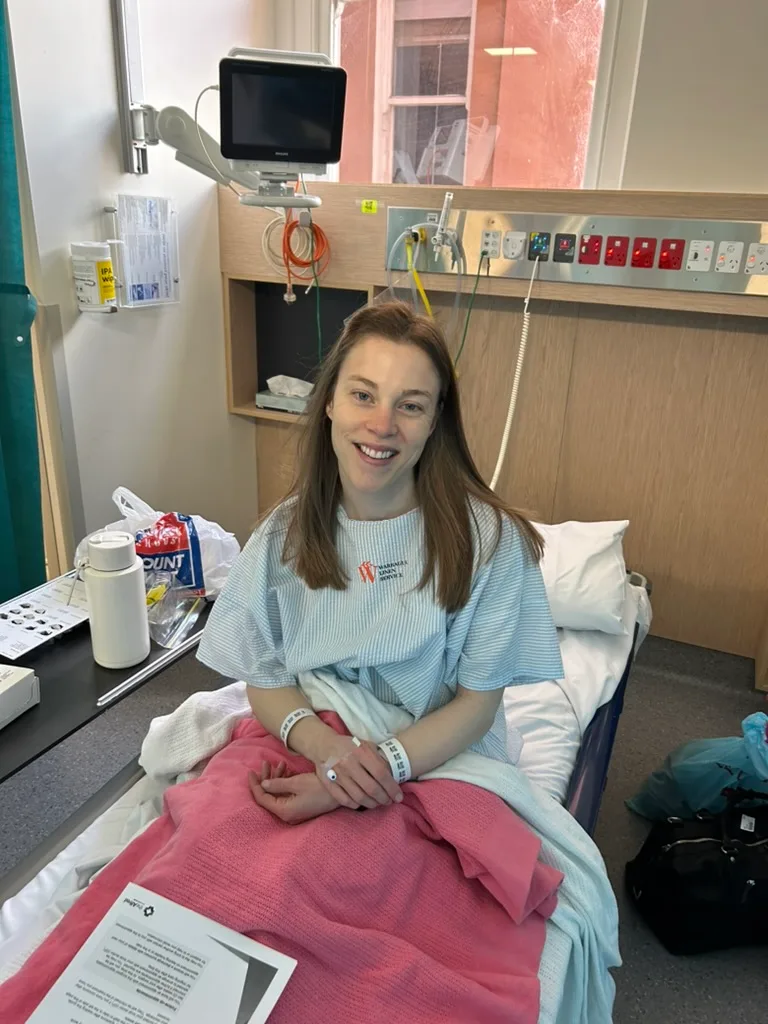
After eight weeks in The Alfred, I was discharged.
I couldn’t be alone in case I had a seizure, and always had to let people know where I was.
Eight weeks later, back at uni where I studied arts, I had a support worker in case I collapsed. If I felt a seizure coming on, I had to find a space to lie down.
They usually lasted three to four minutes.
Two years later, I got a second diagnosis – epilepsy. I’d already been taking anti-epileptic medication from the first diagnosis so continued with that.
Then I had a vagus nerve stimulator device inserted in my collarbone, and that helped. I was also being treated for both illnesses with Rituximab infusions to eliminate the antibodies of the encephalitis and fight off the illness.
READ MORE: Endometriosis battle: Hayley’s pain became her purpose
In 2018, I started keeping a seizure diary to try to pinpoint what triggered them, and soon realised that a seizure preceded my period.
‘It’s probably due to hormonal fluctuations,’ the doctor said, when I told him.
I went on the pill to stop my periods, but still had seizures. Even with the epilepsy meds, my menstrual cycle triggered them.
Stopping taking the pill, I didn’t need a period tracker – the seizures let me know when it was due.
They were brutal. Clusters of seizures hit just before my period.
By 2022, a lumbar puncture showed my encephalitis was under control. I no longer had the markers or antibodies for encephalitis thanks to my medication. But I still battled epilepsy.
My reality was tough to come to terms with.
READ MORE: Brave Frankie: Cancer took our son’s sight
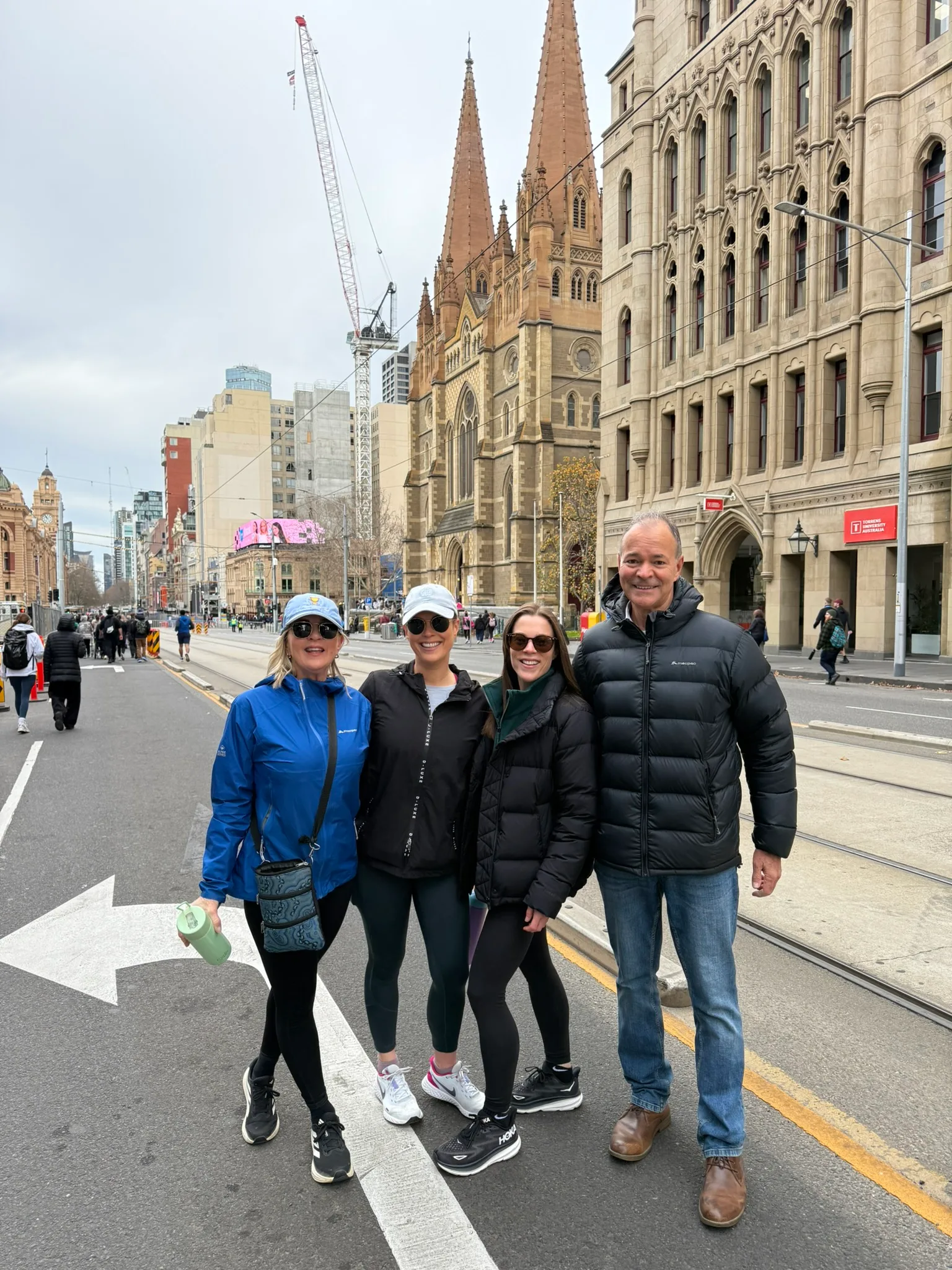
I listed my dad Geoff, now 67, as my emergency contact. Every time I had a seizure, he’d get the call.
I also wore a smart watch to detect falls and alert an ambulance.
In April 2024, I had a seizure in my sleep, stumbled from bed, and fell down 17 stairs. I woke in hospital in a head brace, confused and dazed.
‘You were in a pool of blood,’ my sister Julia, 32, told me, tearfully.
I’d fractured my chin and had no memory of the fall. Seven months later, I broke my hand hitting a wall mid-seizure.
At my lowest, I thought about ending my life. I couldn’t see a future. Then I discovered Australian Women with Epilepsy, a support group that changed everything.
They gave me hope, reminding me that I could still have a life I loved.
Today, I speak publicly about epilepsy, raise awareness, and dream of competing in the Paralympics as a swimmer.
I’m telling my story so other women like me know they’re not alone, and that there is life after diagnosis – and it can be beautiful.
To support women with epilepsy – awepilepsy.org.au
If you are struggling and need support, contact Lifeline for free 24/7 on 13 11 14 (Aus) or 0800 543 354 (NZ).
What is epilepsy?
Epilepsy is a chronic and neurological condition that impacts the brain and triggers seizures, which can bring on convulsions, staring spells and other unprovoked movements and sensations.
Epilepsy can be caused by your genes or anything that damages the brain, including injury, stroke or infection.
One in 25 people will be diagnosed with epilepsy over their lifetime. Symptoms can vary between individuals with the disorder. You must visit a medical expert to be diagnosed with the condition.

Related stories

Native ad body.
Native ad body.

Native ad body.