

- During pregnancy, Eden’s daughter Willow, was measuring small and was born early via emergency C-section, needing NICU support
- Doctors later diagnosed her with mucolipidosis type II, a rare, life-threatening genetic condition affecting growth and development
- Now five, Willow needs full-time care and therapies, but brings joy through her bright personality and smile
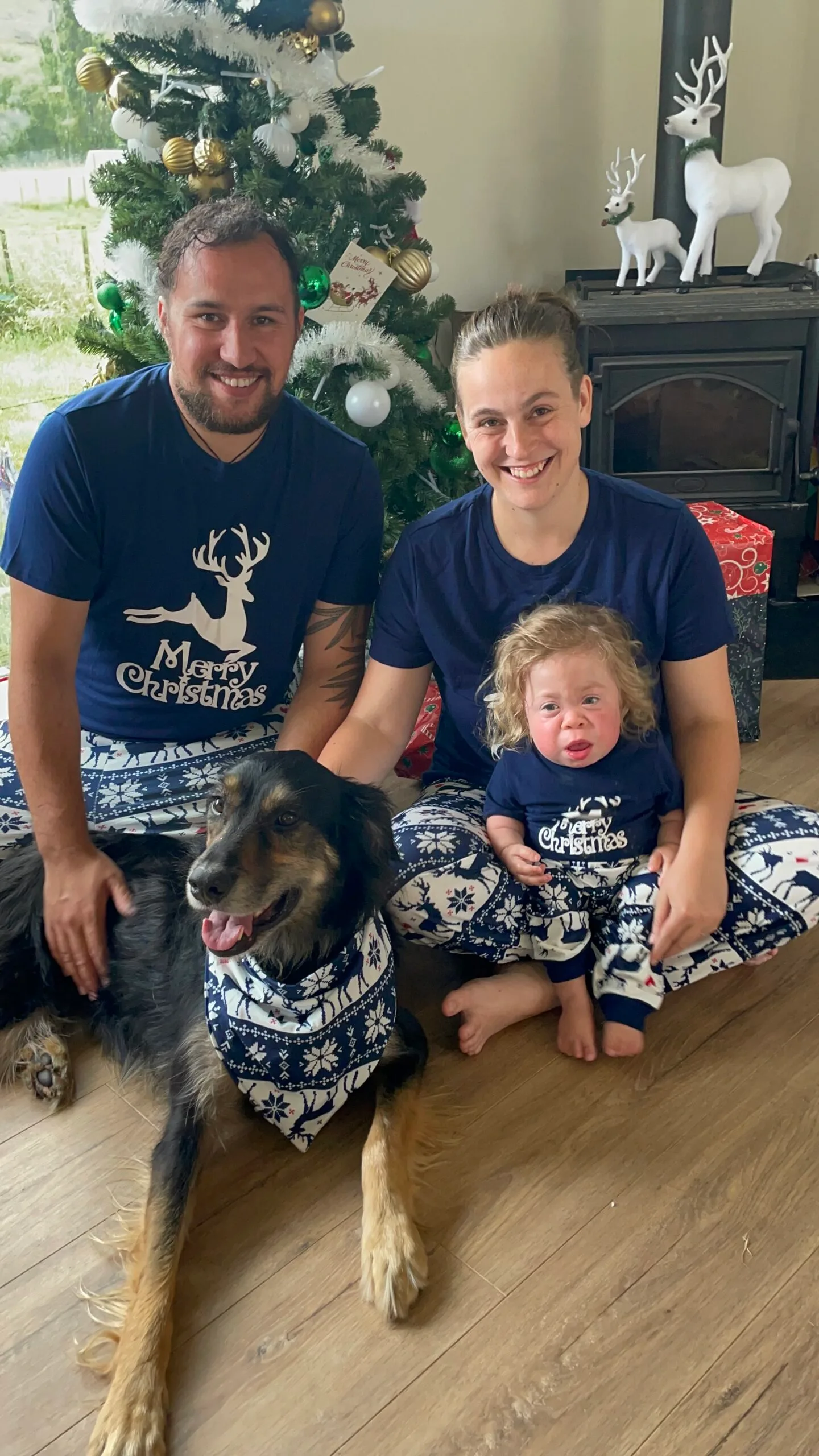
Here Eden Dargaville, 27, Hawkes Bay, NZ shares her own story in her own words.
Decorating the nursery, we placed teddy bears on the shelves.
‘Willow will love it,’ my husband, Chase, 26, said.
It was September 2020 and I was 34 weeks pregnant with our first baby.
Chase and I were both vet nurses and nature lovers, and we’d fallen in love with the name Willow.
At my next check-up, the sonographer said our girl was measuring small for her gestational age and referred us to a specialist.
But before we made it to that appointment, my waters broke at 36 weeks.
It’s too soon, I worried, rushing to the hospital.
READ MORE: Heart murmur shock: A hug from mum saved my life!
After 24 hours of labour, the baby went into foetal distress, and I had an emergency C-section.
On October 30, Willow was born, and was rushed to NICU. She weighed 1.78 kilos and needed breathing and feeding assistance for the first few hours.
When I finally held her in my arms a few hours later, I was instantly smitten with her beautiful big blue eyes.
Chase hovered close by, too scared to pick her up.
‘She looks so fragile,’ he said, gently holding her little hand.
Not long after, doctors raised some concerns.
‘ I was instantly smitten with her beautiful big blue eyes’
They said Willow’s ears sat lower than usual, she had a flat nasal bridge, and her eyes were wider apart than expected. They suspected Down syndrome, but wanted to give her time to grow before making any
diagnosis.
Ten days later, Willow came home. She slept well and breastfed easily.
At the three-month check-up, she still hadn’t gained enough weight, so the doctor referred us to a metabolic specialist.
In May 2021, the specialist ordered blood tests to try and understand what was happening.
By December, we had the results. Willow had mucolipidosis type II.
‘The enzyme needed to break down waste in the body is missing, so it builds up inside the cells. This can affect growth, movement and development, often causing weak muscles, stiff joints and delays in reaching milestones,’ the doctor explained.
I was horrified to learn it was a rare, life-threatening genetic condition.
‘Why did it happen to her?’ I wanted to know.
The doctor told us it was caused by a recessive gene that we both carried, so if we wanted more children, we’d need to consider IVF.
We were told there was no clear treatment plan, as every child is different. There were only six other New Zealand children who had the same condition.
‘This is so unfair,’ I said, feeling overwhelmed.
READ MORE: Mum’s horror: Blowing a raspberry revealed a deadly secret
‘We’ll focus on how to give her the best life,’ Chase said.
‘Willow won’t see us crying,’ I determined.
We were assigned heart specialists – as heart failure was a risk – and linked in with respiratory specialists to monitor her oxygen levels. She also began physio and speech therapy once a month.
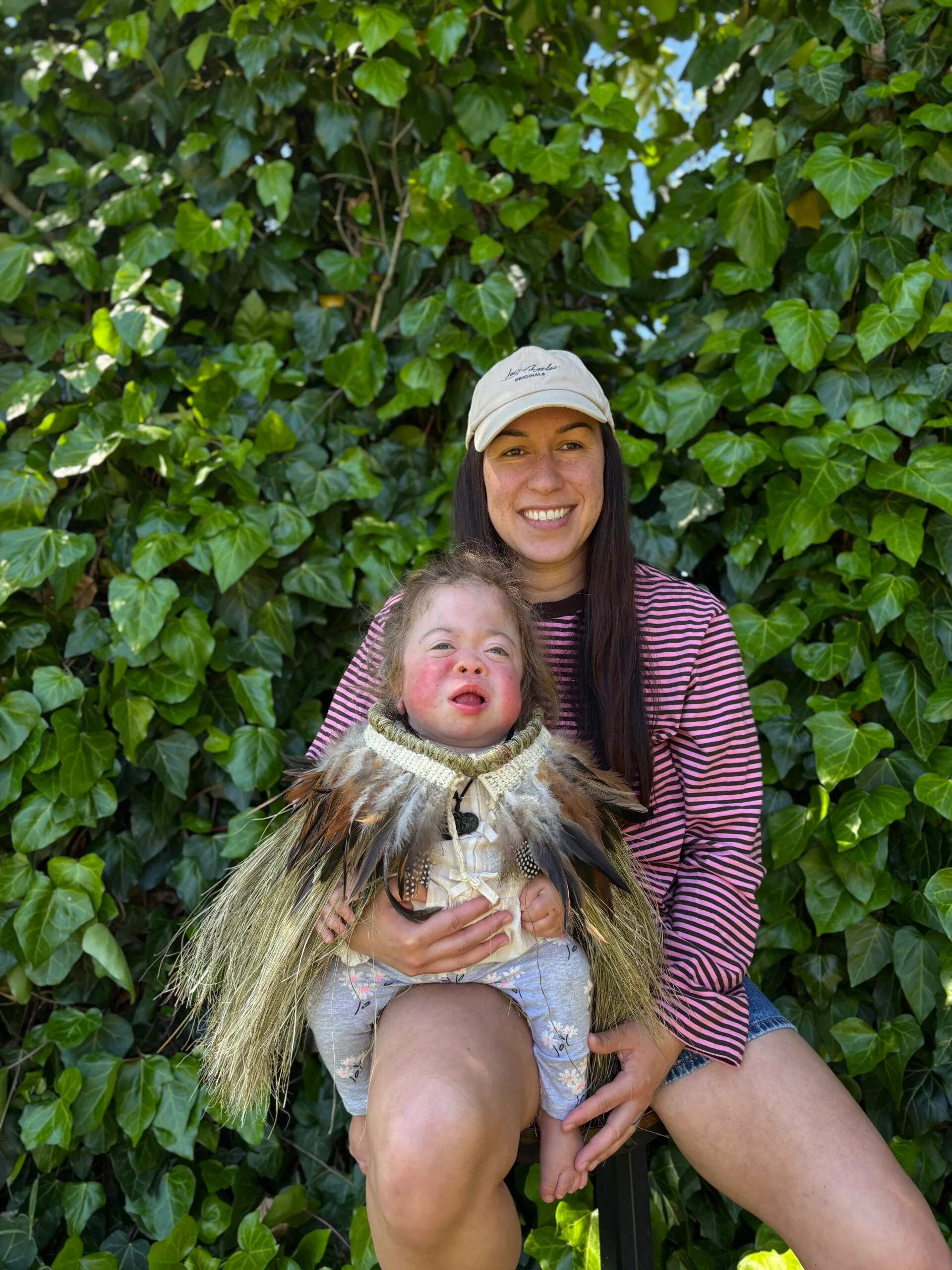
As she grew, Willow was non-verbal, but she communicated through her radiant smile, expressive eyes and clever gestures.
If she was hungry she’d bring her hand to her mouth to show she wanted to eat.
She also made constant little noises, babbling away as if she was chatting to us. We started working with a sign language expert to communicate better.
Since her shoulder muscles were contracted, she couldn’t crawl, so she’d bum shuffle or roll to get from one place to another.
‘We’ll focus on how to give her the best life,’ Chase said.
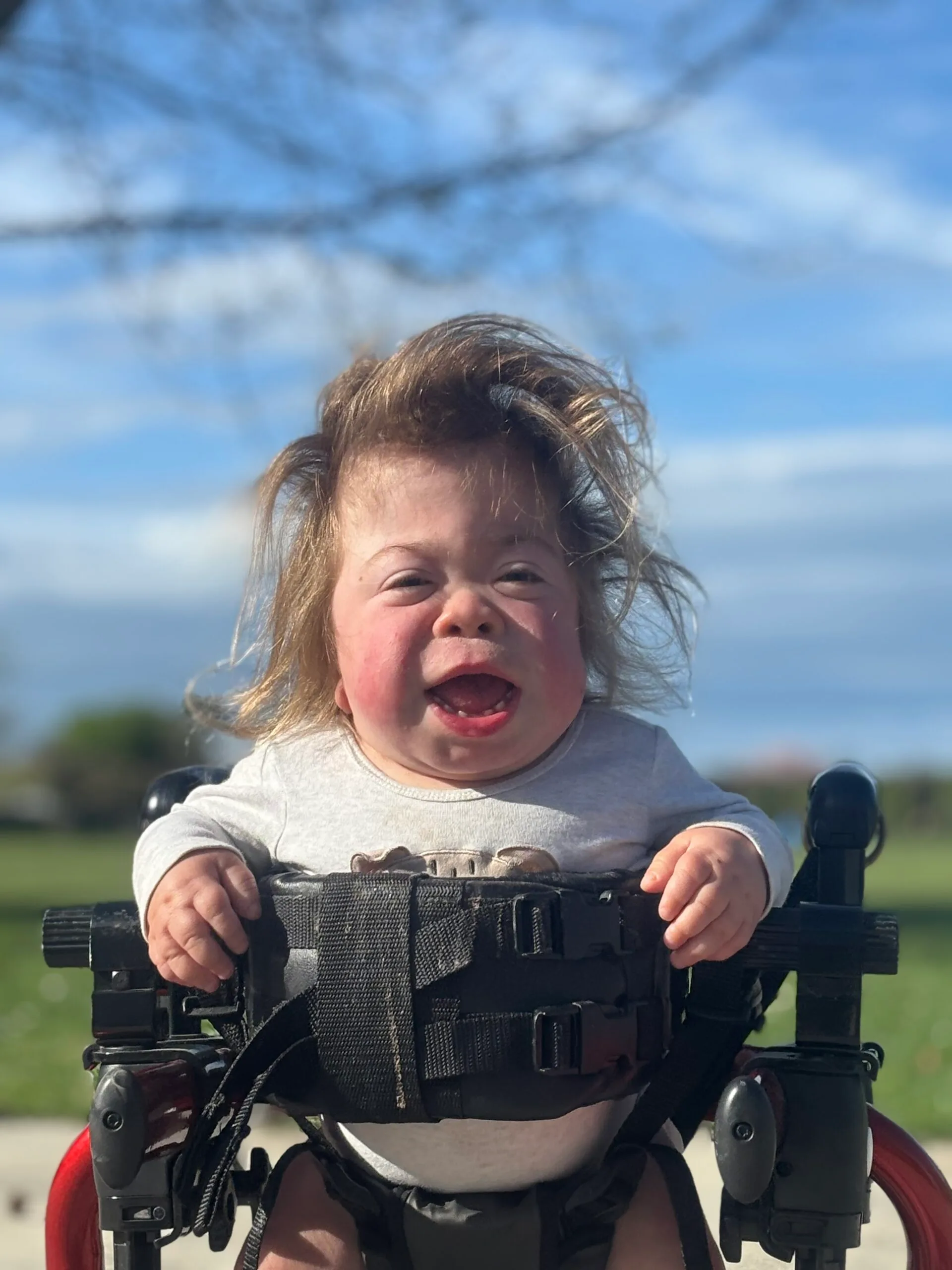
She required a special frame to stand or walk as her legs didn’t fully straighten. When Willow was three, we got her a special toddler mobility scooter, which made her movement easier and faster.
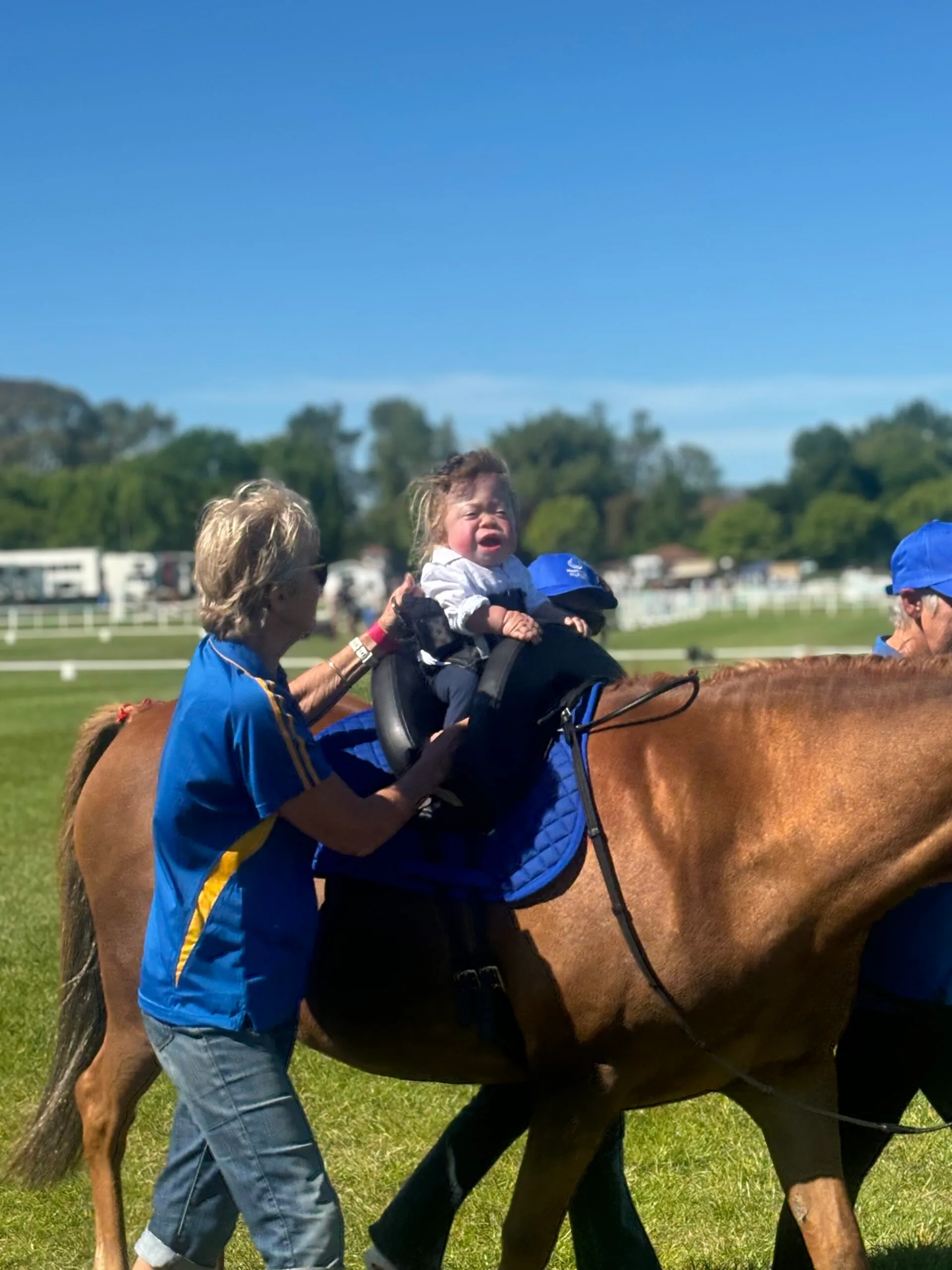
She also began learning horse riding, through a therapeutic program. She loved to stroke her miniature horse, Mabel.
READ MORE: ‘My armpits and groin felt like they were on fire’
At home, she was always surrounded by animals – three cats, a dog, goats, ducks and horses.
Whenever we fostered puppies, Willow held the bottle for them.
Willow began going to a special school this year, where she loves to do aqua therapy and baking.
Now five and 10.5kg, she requires assistance for mobility, communication and self-care, so I am her full-time carer.
Even a small illness such as a cold, cough or fever can affect her breathing or cause stress to her heart, so we have to watch her symptoms carefully.
But we don’t let that define our days.
While her journey may look different, one thing is certain – her smile lights up our world.
To donate to help Willow visit her Give A Little fundraiser.
What is mucolipidosis II?
Also known as ML II, or I-cell disease, mucolipidosis II is a rare inherited condition that worsens over time and affects many body systems. Without enough enzymes to break down fats and sugars, harmful substances build up in cells, causing developmental delays and skeletal abnormalities.

Related stories
Native ad body.
Native ad body.


Native ad body.