


We’ve been talking about the gender pay gap for decades. But there’s another gap that deserves our attention: the one affecting women’s health.
Women have historically been underrepresented in clinical trials, leaving researchers with less information about how treatments affect us at different stages of life. And that matters.
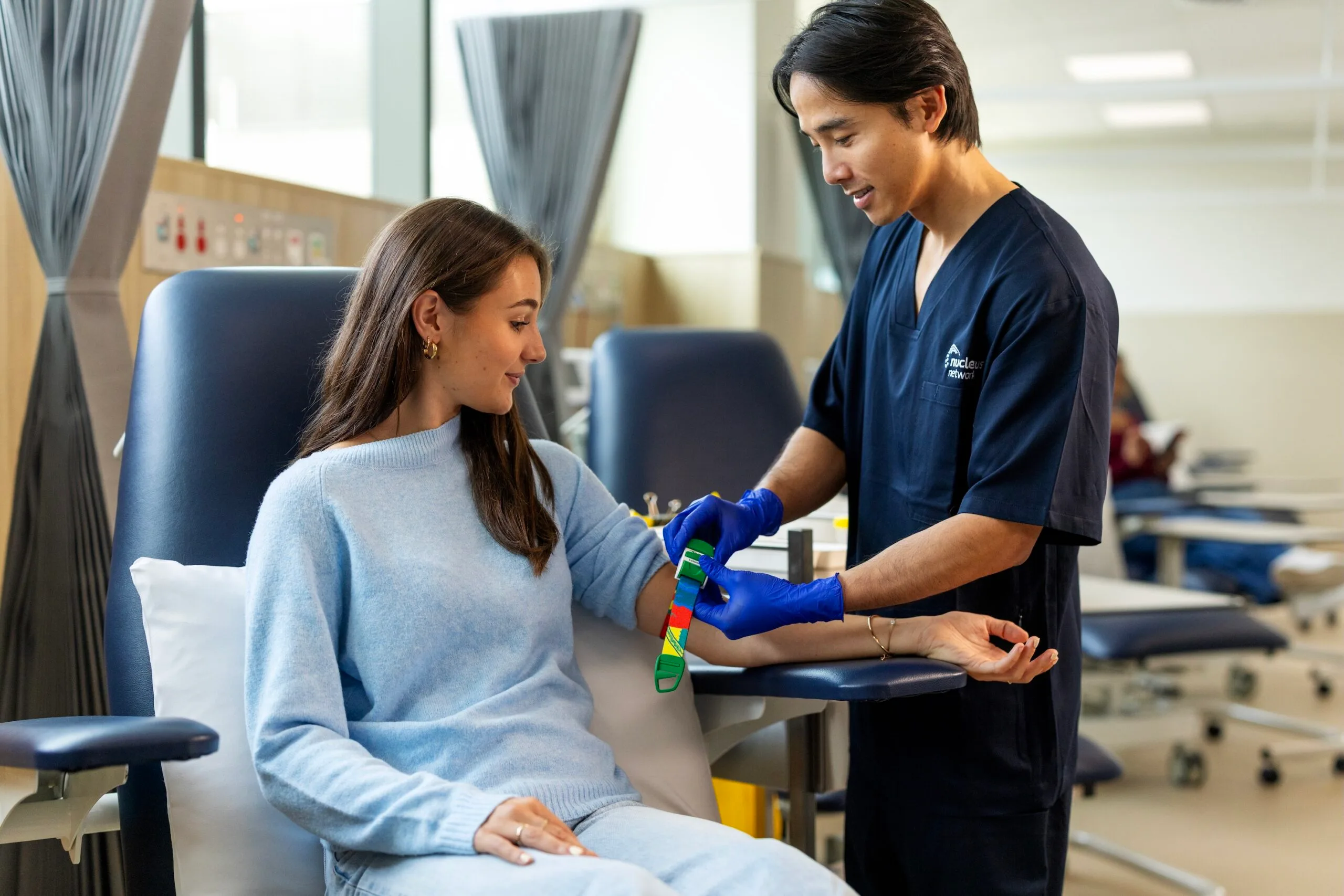
Women can respond differently to medicines than men and are more likely to experience adverse drug reactions.
There’s also a need for stronger data in areas such as reproductive health, menopause and hormone therapies, as well as conditions that disproportionately affect women.
Why does women’s participation in clinical trials matter?
“Women are not small men,” says health advocate and ambassador for early phase clinical research company Nucleus Network, Shelly Horton.
“Our bodies are different, our hormones are different and our health needs are different, yet for far too long women have been underrepresented in medical research.”
One way women can help change that, says Shelly, is by taking part in clinical trials. “Clinical trials are a very real way to turn that frustration into action.”
The gender health gap is particularly important in Phase 1 trials, where potential new medicines are studied in people for the first time. Researchers gather early information about safety and how a medicine behaves in the body.
“Our purpose is to advance medicine and improve lives,” says Teena Pisarev, Global CEO of Nucleus Network. “At the heart of each of our studies are the people who choose to participate, and we need more women.”
To date, Nucleus Network says its Phase 1 research has supported the development of 24 approved products in women’s health, across areas including contraception, endometriosis, menopause, breast and ovarian cancer, and osteoporosis.
What is it like to take part in a clinical trial?
The process varies between studies. At Nucleus Network, prospective participants answer questions about their health and lifestyle before they may be invited to a screening appointment. This can include a physical examination, blood or urine tests, and other health checks.
Those who are eligible receive information about what a study involves and can ask questions before deciding whether to take part. A trial might involve outpatient visits, a stay at a clinic and follow-up appointments.

“Every study we conduct is underpinned by rigorous clinical processes, experienced medical teams, strong ethical oversight and close participant monitoring, helping us generate the high-quality data needed to know how medicines will work on a vast range of bodies, sexes, conditions, cultural backgrounds, ages, and more,” says Pisarev of Nucleus Network‘s approach.
Medical staff monitor participants throughout, but it’s important to be aware that every trial carries some risk. Participation is voluntary, and participants can withdraw if they change their minds.
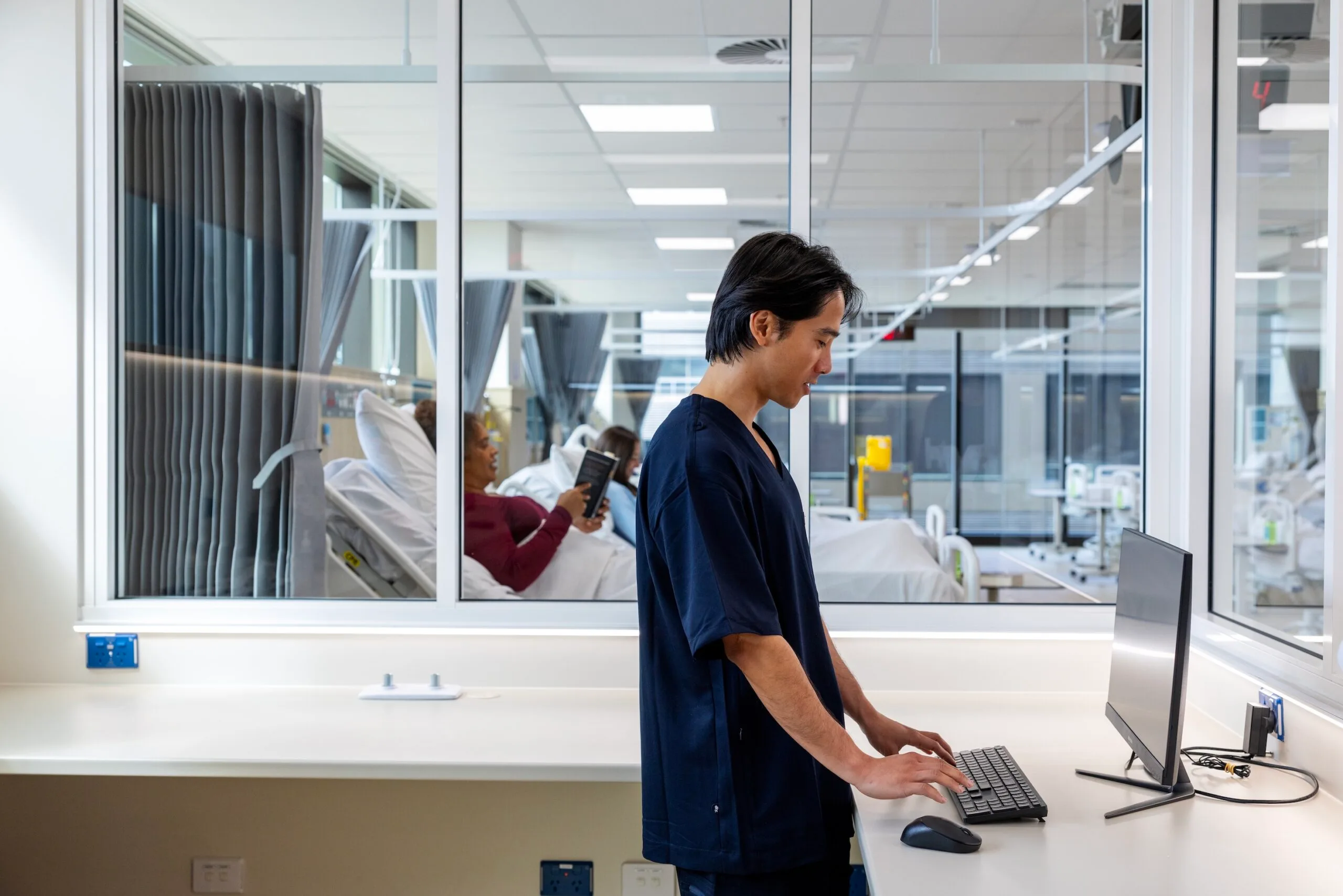
For Shelly, the possibility of helping future generations is a powerful reason to consider taking part. “There’s real purpose in knowing that putting your hand up today could contribute to better health for women tomorrow.”
At the end of the day, the more researchers understand about how treatments affect different bodies, the better informed women’s healthcare will be.

Related stories

Native ad body.

Native ad body.


Native ad body.