


- Healthy toddler Saylah began losing the ability to walk, respond, and swallow just months after taking her first steps
- Doctors diagnosed the rare terminal condition Batten disease (CLN1), a form of childhood dementia
- Knowing there is no cure, Mum Tess is focusing on creating precious memories
Here Tess Moylan, 29, Australia, tells her story in her own words.
Come on, Saylah, walk to Mummy,’ I cheered as my girl, 14 months, took her first steps towards me.
After that, our daughter was unstoppable, running around after her big brother, Ollie, then seven.
She adorably babbled ‘mum’, ‘dad’ and ‘bub’, and lit up with an enormous smile every time she saw Ollie arrive home from school.
Her rosy smile brought so much joy to us all.
Then when she was 18 months old, we noticed Saylah seemed to be regressing with her walking.
Sometimes she managed a few wobbly steps, but more often than not, her legs would collapse beneath her whenever she tried to stand up.
I’m sure she’ll grow out of it soon, I assured myself.
At first, things seemed fine and Saylah was her happy, bubbly self.
READ MORE: ‘It’s just a birthmark’: The rare disease hidden inside my baby’s brain
But just a few weeks later, daycare called.
‘You need to come and pick up Saylah. She keeps falling down and hurting herself,’ one of the childhood educators said.
Concerned, I left work early to collect my girl.
After sharing my concerns with my partner, Arron, back home that night, we noticed Saylah could no longer bend her knees.
‘You need to come and pick up Saylah. She keeps falling down and hurting herself.’
At the start, Saylah didn’t seem to be in any pain, but as the days progressed, she would cry and become agitated when we tried to gently bend her legs.
‘She must be in pain,’ Arron said.
She also stopped responding to our cues.
‘Grab your teddy, darling,’ we urged, waving a soft toy in front of her, but she didn’t react at all.
Worried there was something serious going on, we took her to the GP.
READ MORE: Saved by a cutting-edge Aussie treatment
He agreed Saylah’s regression was troubling, and referred us to a paediatrician.
As we waited for an appointment, Saylah continued going to daycare.
‘I think she’s having absent seizures,’ one of the educators said over the phone that week.
Dashing straight there, I was horrified by the footage she’d captured on her phone.
‘I think she’s having absent seizures.’
Saylah blankly stared into the distance and wouldn’t respond to her name or any cues.
We hadn’t noticed anything like it at home.
Rushing her to hospital, there a paediatrician tested her for Rett syndrome – a rare genetic neurological disorder that affects the way the brain develops, causing a progressive loss of motor skills and language. It would take up to three months for the results to come back.
‘Surely they’ve got it wrong,’ I cried to Arron.
READ MORE: The true story helping Aussie kids understand dementia
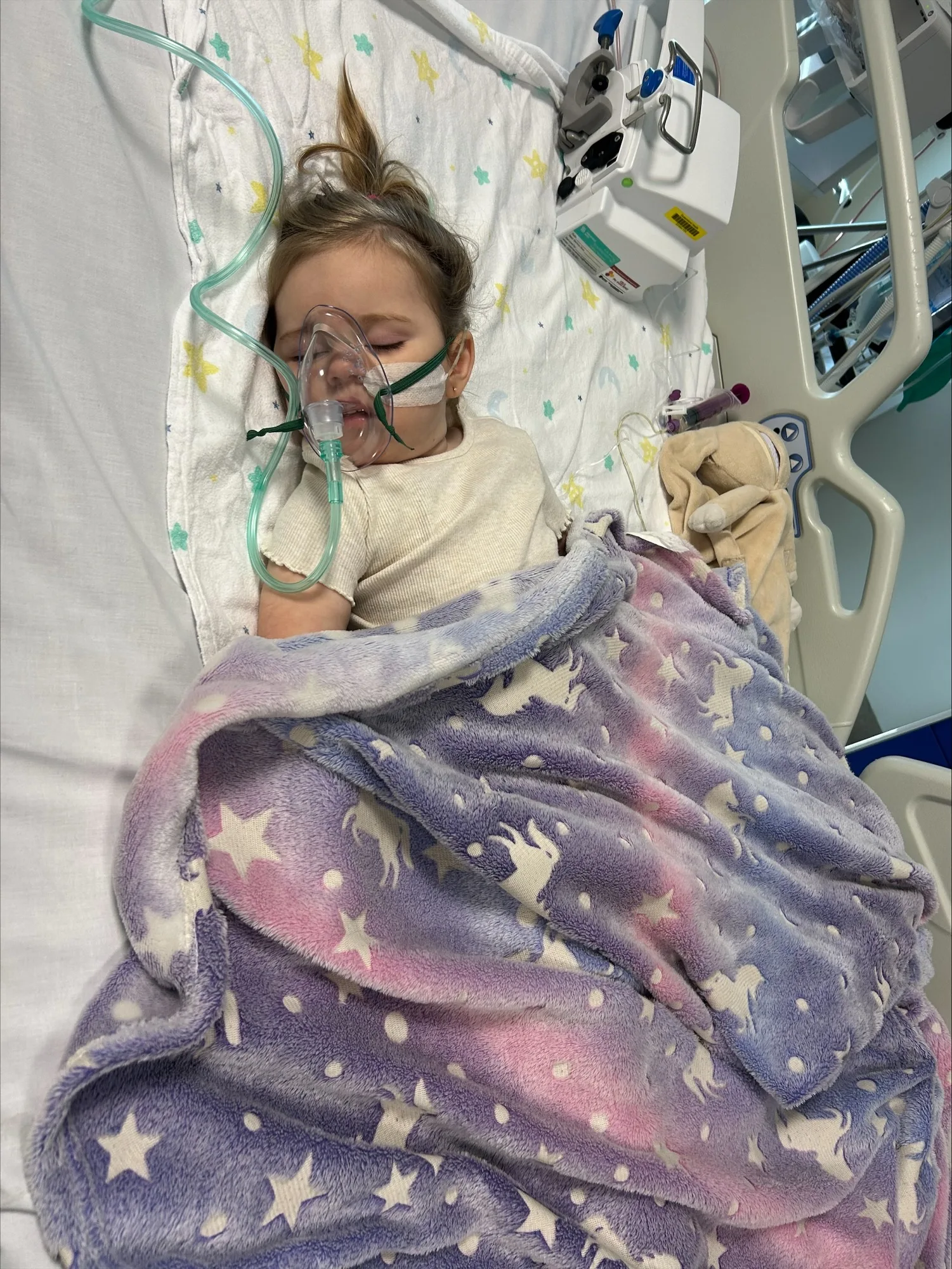
Just days later, Saylah completely lost her ability to walk and was no longer able to swallow food, throwing up every time she ate.
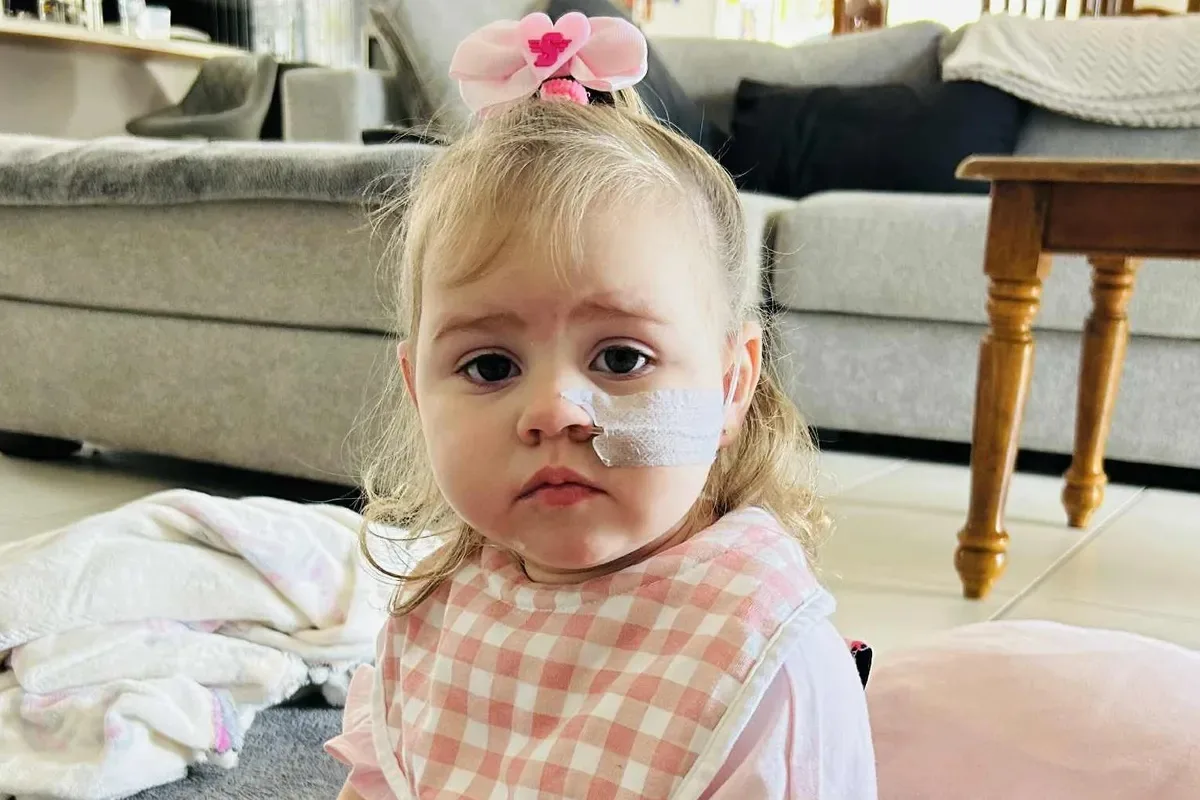
Back at hospital for two days, doctors fitted her with a feeding tube to ensure Saylah was getting the nutrients she needed.
Then, in August, results showed our girl had tested negative for Rett syndrome.
‘Unfortunately, there is no cure.’
Desperate for answers, after genetic testing, two weeks later, we finally had a diagnosis.
‘Saylah has Batten disease (CLN1),’ the doctor told us over the phone, explaining it was a type of childhood dementia that causes seizures, vision loss and cognitive decline.
‘Unfortunately, there is no cure,’ he added, revealing the condition was terminal. ‘I suggest you enjoy what time you have left with her.’
Distraught, my heart shattered. There had to be some sort of mistake.
Saylah had been born happy and healthy, now her future had been completely stripped away.
We decided to take our time to break the news to Ollie, then nine, as I wanted to learn the right way to do it from counsellors.
Then I sat Ollie down on my lap. ‘Mum needs to have a serious conversation with you,’ I said.
‘Saylah is very sick and she’s not going to get better,’ I told him, as tears streamed down my face.
‘It’s okay if you are confused, but if you have any questions, you can ask me anytime,’ I said, giving him a kiss and letting him go off to play.
Researching the condition online, I learned about an experimental trial in the US that could help slow down the progression of Saylah’s disease.
But unfortunately, her condition had progressed past the point of any therapy being able to help.
It was another crushing blow to an already unfathomable situation.
Despite our heartache, we made a commitment to do everything in our power to keep our girl as happy as possible, and spend the rest of her days making precious memories.
Last October, Saylah suffered a massive seizure and was rushed to emergency.
Terrifyingly, it took doctors 48 hours to get the seizure under control with medication.
‘If she has another seizure like this, it could prove deadly,’ the doctors warned.
Thankfully, medication has kept them at bay.
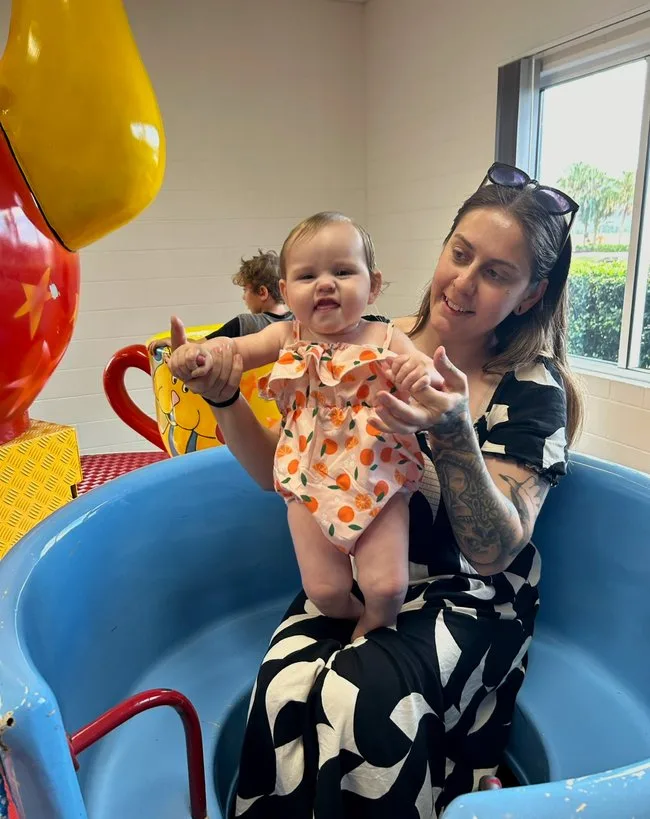
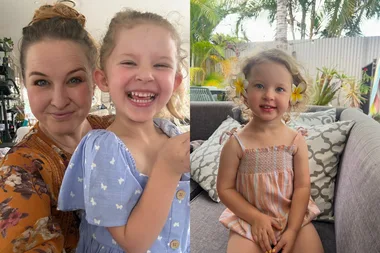
Nine months on, Saylah, now two, has lost most of her hearing and eyesight. Despite the cruel fate my girl has been dealt, she continues to be brave and curious, always trying her best to pick up toys and cuddle me to feel safe.
Since Saylah has lost her hearing and sight, she seems to find joy in activities where she can feel movement, such as bouncing on a trampoline or playing in water.
To make her feel more special and comfortable, we redecorated her bedroom, where she spends most of her time resting, painting the walls pink with unicorns.
Despite Arron and I parting ways last year, we plan to make family trips overseas, so Saylah can experience the world while she still can.
‘You are so brave and loved,’ I tell her each night before putting her to bed.
When Ollie comes home from school, he’ll lie down next to Saylah, cuddling her and stroking her hair.
Although I can’t change Saylah’s condition, I’m doing my best to make every moment she has left feel magical.

