

- Born in 2020, James was diagnosed with the rare genetic eye disorder Axenfeld-Rieger syndrome (ARS) type 3, causing glaucoma, corneal clouding and severe vision loss
- After undergoing around 17 eye surgeries in his first two years, doctors warned he might only ever see light and shapes
- Now six, James has inspired his mum, Ana, to support genetic research and raise awareness through Jeans for Genes Day
Here Ana Subota, 42, Sydney, NSW tells her own story in her own words.
Cradling my newborn, I felt a rush of love like no other.
‘Hello James,’ I cooed.
During my pregnancy, I’d battled morning sickness, extreme fatigue and gestational diabetes, but every scan and prenatal test came back normal. Now, my baby was here!
‘It looks like everything is fine,’ my obstetrician reassured me.
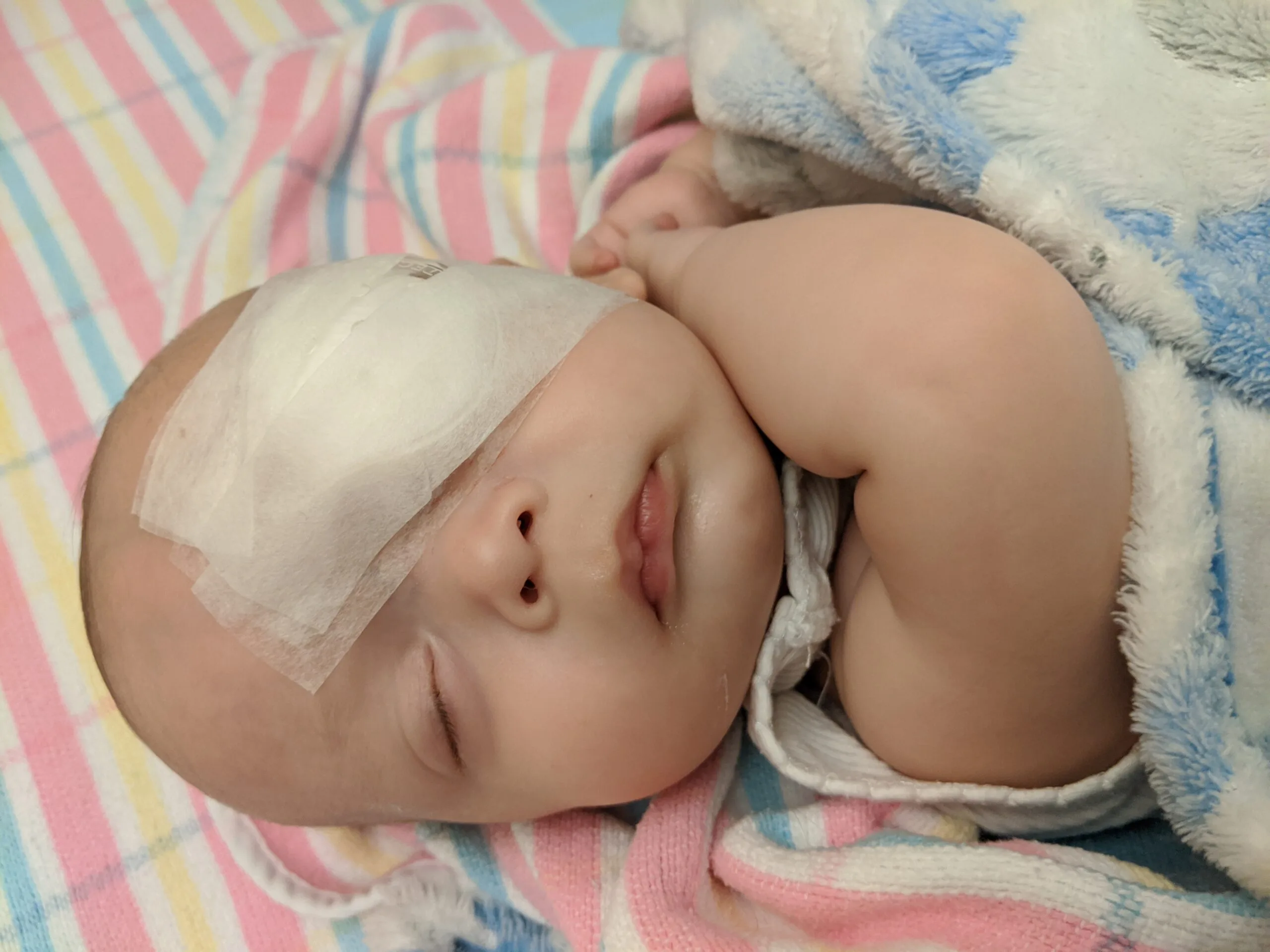
But moments after James was born in March 2020, I knew something wasn’t right. He wouldn’t initially open his eyes and when he finally did, they looked unusually prominent and cloudy.
‘It could be glaucoma,’ said a nurse.
I was stunned. How could a newborn have an eye disease associated with older people?
Because of Covid restrictions, support was limited and I felt frightened. Over the following days, a stream of specialists examined James. Ophthalmologists took photographs and discussed his case, while the genetics team began investigating.
The waiting was agonising.
When he was a month old, my mum, Zoe, was able to visit. ‘He’s a beautiful boy,’ she said tearfully. ‘Everything will work out.’
James underwent his first surgery at just one month – a trabeculectomy to relieve pressure building inside his eyes. It was so severe his eyes bulged and he struggled to open them.
Watching my baby being wheeled into surgery was heartbreaking.
The procedure had to be repeated several times before doctors could stabilise the pressure.
Finally, when James was three months old, we got our diagnosis.
He had Axenfeld-Rieger syndrome (ARS) type 3– a rare genetic condition affecting eye development.
The diagnosis included aniridia where part or all of the iris is missing, Peters anomaly which causes corneal clouding, and glaucoma – optic nerve damage caused by high pressure.
Then came the news that broke my heart.
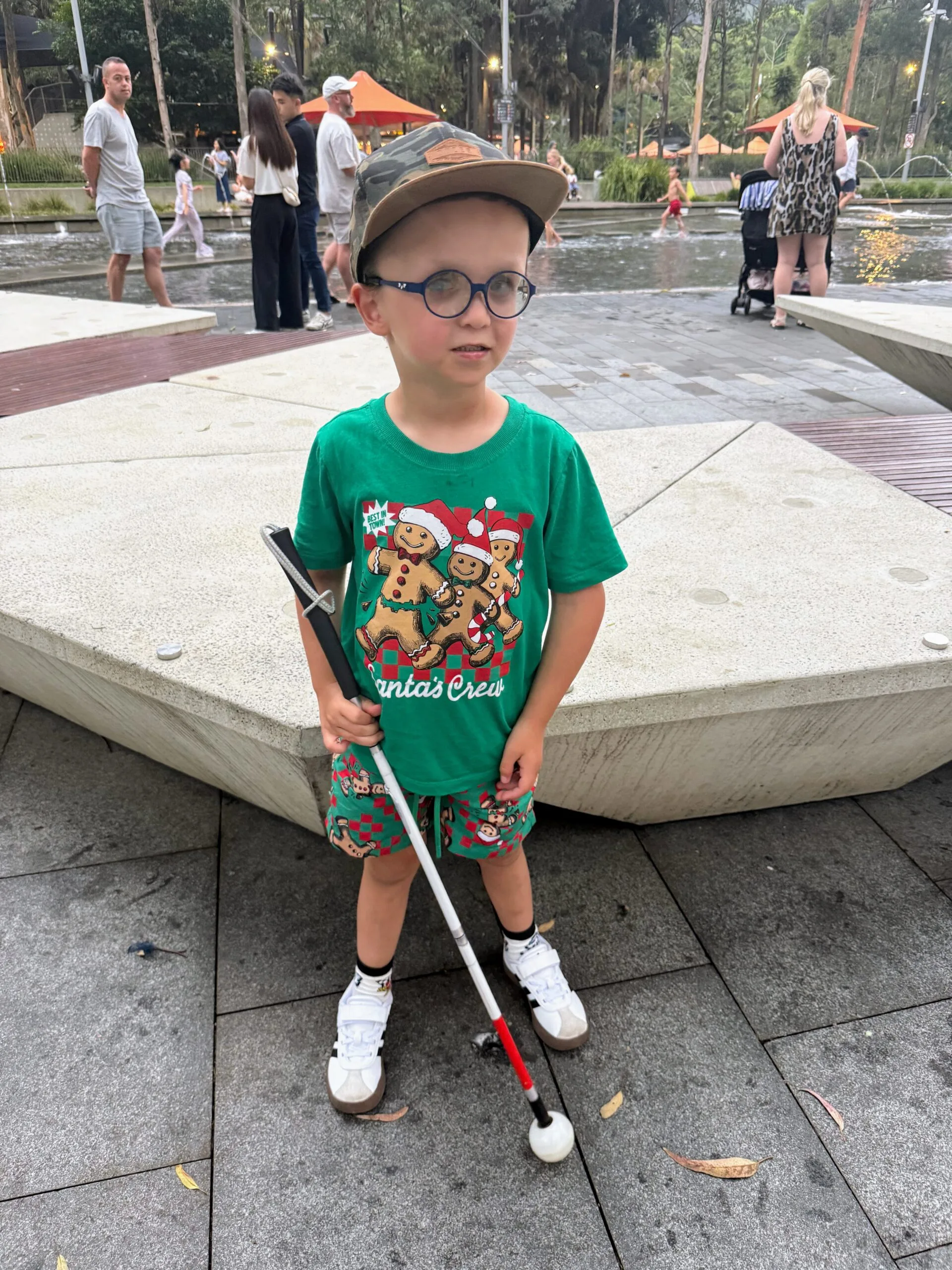
‘James is likely to have very limited vision and may only ever see light and shapes,’ the doctor said.
For days, I grieved the future I had imagined for my son.
Then one evening, I was watching a documentary about the world-famous singer Andrea Bocelli, who is blind. Seeing everything he had achieved changed something inside me.
James’ future didn’t have to be defined by what he couldn’t do. And I was determined to help my son thrive.
At four months, James received a corneal transplant in his left eye.
Thankfully it was successful, although a transplant in his right eye six months later wasn’t. Neither was a second attempt when he was 16 months old.
Eventually, doctors told me the risks of further surgery outweighed any potential benefit.
It was another difficult reality to accept.
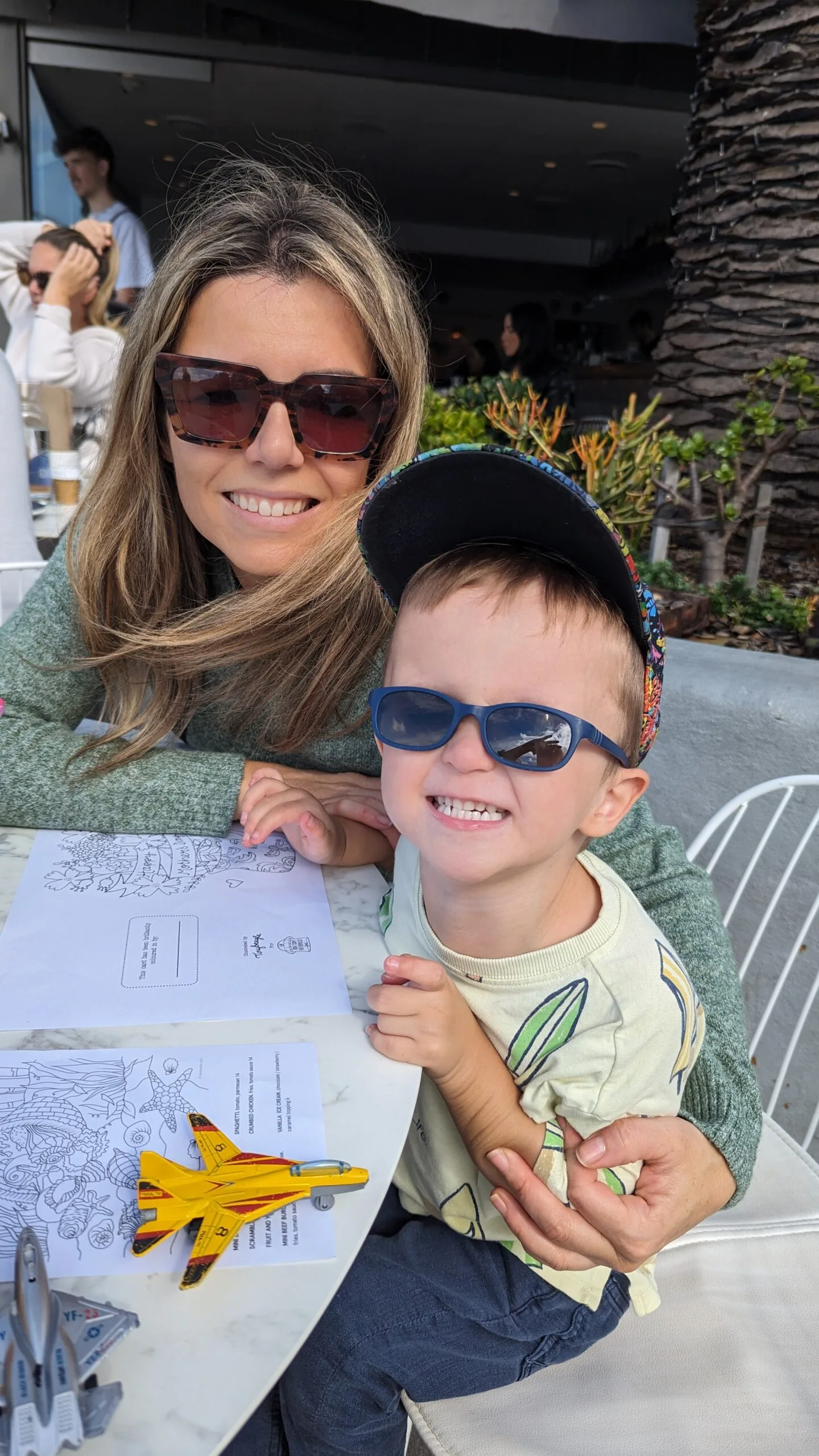
His early years were intense. I administered eye drops multiple times a day, attended endless appointments, and cared for James as he recovered from surgery after surgery – around 17 in two years.
There were moments when I felt completely exhausted, but James never stopped amazing me, and continued reaching milestones. He started walking at 20 months, and was never put off if he bumped into things. His speech flourished and he became one of the chattiest little boys, making friends wherever he went.
He refused to let his lack of vision stop him doing anything he wanted to.
‘I’m so proud of you,’ I told him often.
Now six, James has 3/24 vision in his left eye. What people can see at 24 metres, he needs to be three metres from to see, yet it doesn’t hold him back.
He attends mainstream school and loves it, using an iPad to enlarge information from the classroom board, and is learning Braille. He uses a mobility cane outdoors.
He’s happy and his classmates don’t see a diagnosis – they see a funny, energetic, confident little boy who loves planes, and making people laugh.
‘I want to be a pilot when I grow up!’ he says.
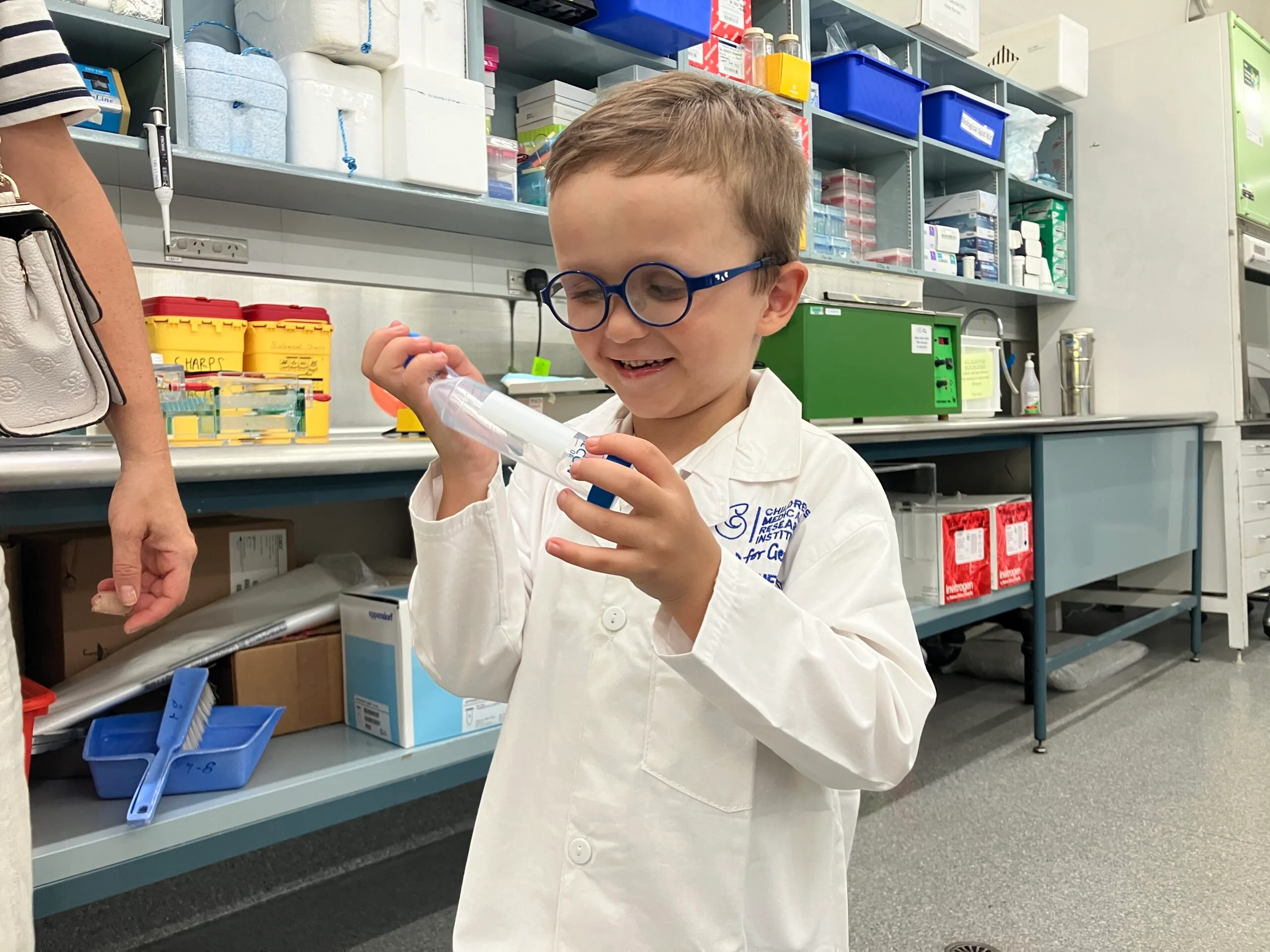
Recently, we visited researchers studying eye genetics. Watching James put on a lab coat, handle pipettes, and ask question after question filled me with hope.
Right now, there’s no treatment that can restore his vision, but I believe strongly in the power of genetic and stem cell research. The scientists we met are working every day to create better futures for children like James.
That’s why I wanted to share our story for Jeans for Genes Day.
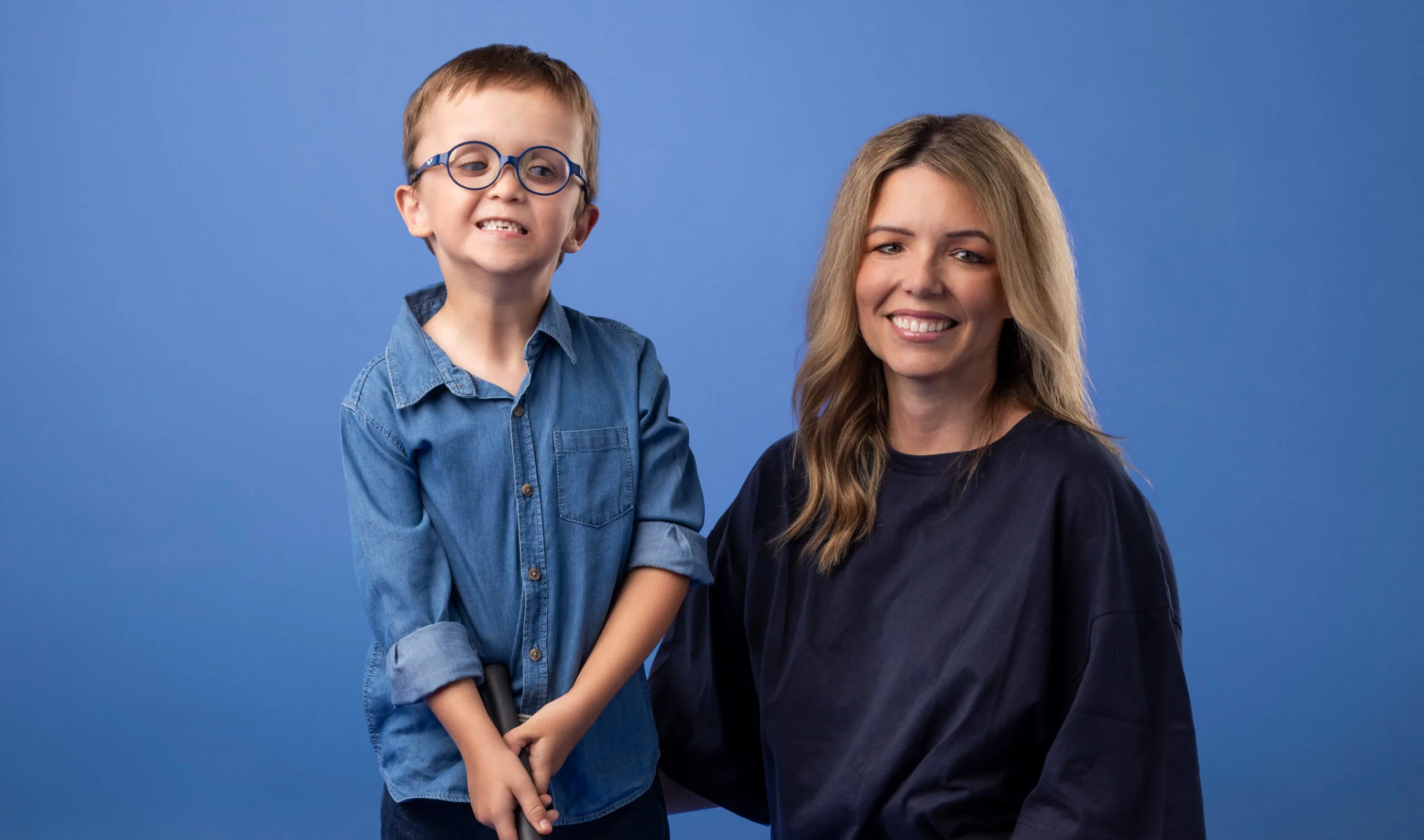
Six years ago, I left hospital terrified about what lay ahead for my son.
Today, my resilient, happy boy refuses to let his vision define him.
I don’t know what the future holds, but James has taught me possibilities are far greater than limitations. And that’s something worth celebrating.
Jeans for Genes Day is on Thursday August 6, 2026. Visit fundraise.jeansforgenes.org.au
What is ARS?
Axenfeld-Rieger syndrome is a rare genetic condition that mainly affects how the front part of the eye develops. It can lead to vision problems and increases the risk of glaucoma, where there’s pressure in the eye that can result in blindness. ARS can also affect other areas of the body, including the face, teeth and hearing. Because it changes over time, most people need regular check-ups and lifelong care from specialists to manage their condition.


Related stories
Native ad body.

Native ad body.
Native ad body.