


- Elizabeth was arrested 13 times and placed under surveillance for opposing Poland’s communist regime before being forced to choose between prison and exile
- In 1987, she fled to Australia with her young daughter, rebuilt her life, learned English, and rediscovered her passion for athletics through Masters competition
- Elizabeth has gone on to win 191 medals and become one of Australia’s top Masters field athletes
Here, Elizabeth Szczepanska, 75, tells her story in her own words.
Standing in the school gym, I pressed my back against the wall as officials moved along the line, sizing us up one by one.
It was 1964, and living in Poland under communist rule, the government controlled what you said, read or where you could go. Everyone knew to stay quiet and just keep their heads down.
At home, my mum, Irena, and dad, Waldemar, worked long hours just to keep food on the table.
Now, aged 13, it was my turn to be measured.
‘She’s strong and tall… good for sport,’ a man said.
We were split into two groups – sport or the youth communist organisation.
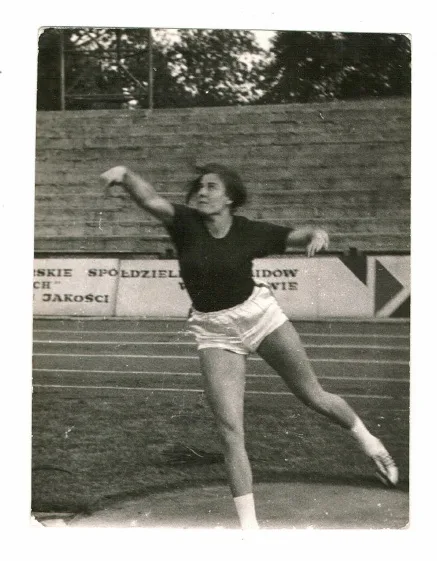
Soon, I started training in athletics, spending hours on the field practising shot put and discus. Being selected meant opportunity, but also pressure. We were pushed hard to deliver winning results.
I began competing and built a strong record in the field events. And with success came rewards such as extra food, better clothes and even money.
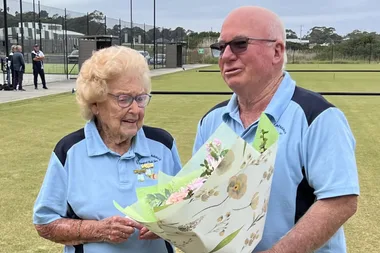
‘Here’s a kilo of sugar, Mum,’ I said one day, bringing home my bounty.
READ MORE: Diary of a widowed nan: ‘I had 75 first dates’
‘Oh Elizabeth,’ she gushed.
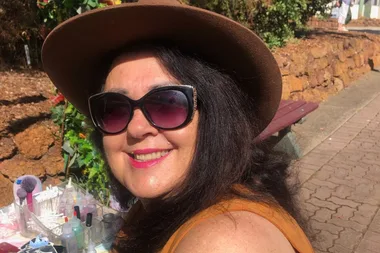
Also academic, I was awarded scholarships and studied while competing, eventually training as a psychologist.
Sport was my escape, but beyond the field, life remained tightly controlled and I yearned for freedom.
In my 20s, I became involved in an anti-government movement, meeting with others who felt the same frustration.
‘We can’t keep living like this,’ someone said.
I nodded, afraid but determined. Authorities had already branded me a rebel.
‘We can’t keep living like this.’
I was charged with organising demonstrations, kept under constant surveillance, arrested multiple times, detained 13 times, and had to report to the police three times a day.
One night in 1981, a pounding shook the door and police stormed inside, dragging me through the night into an armed vehicle.
Inside, others sat in silence, shaking with fear.
We were taken to an open oval where soldiers stood with machine guns, and German shepherd dogs snarled beside them.
READ MORE: Meet the 101-year-old nan who’s about to break a sports world record
We were lined up and ordered not to move.
As the temperature dropped below minus 30 degrees, my body went agonisingly numb as the hours passed.
They’re digging a mass grave, I thought. We’re going to be executed.
I believed I would die.
As dawn broke, I made a promise. ‘If I survive this… I’m going to change my life,’ I vowed to myself.
At sunrise, I’’ll never know why, but we weren’t executed.
Instead, I was kept in a detention centre and then placed under house arrest.
Around that time, I met my then partner, and became pregnant.
When my daughter, Joanna, was born in late 1984, my desire for freedom grew stronger.
I was responsible to give her the best life.
READ MORE: I started a hiking group because I was lonely – Now 3,900 women are hiking together
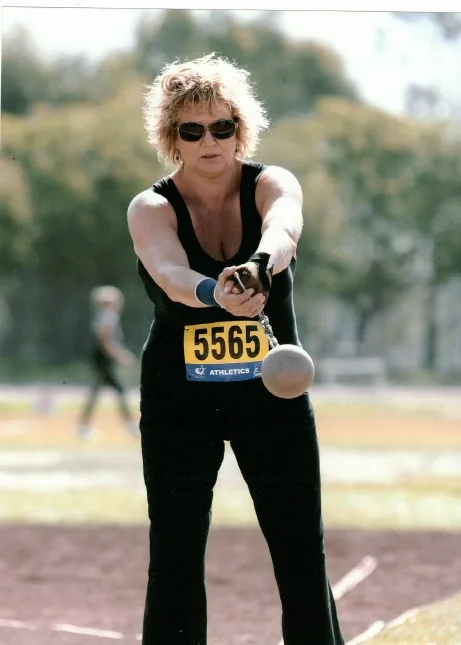
Still under surveillance I was given an ultimatum. ‘You can go to prison for another 10 years or leave Poland forever,’ the secret police officer spat.
Leaving meant giving up everything, and saying goodbye to Mum and Dad, but I had to escape to ensure a safer life for Joanna.
‘You will be free to be whoever you want to be,’ I told her, packing a suitcase.
Having saved over the years, I chose to buy flights to Australia.
In December 1987, my three-year-old daughter and I arrived in Melbourne.
It was tough at first.
Placed in temporary accommodation, without speaking English or knowing anyone – it felt overwhelming.
I found us a small home and work in childcare.
We learned the language and Joanna made friends.
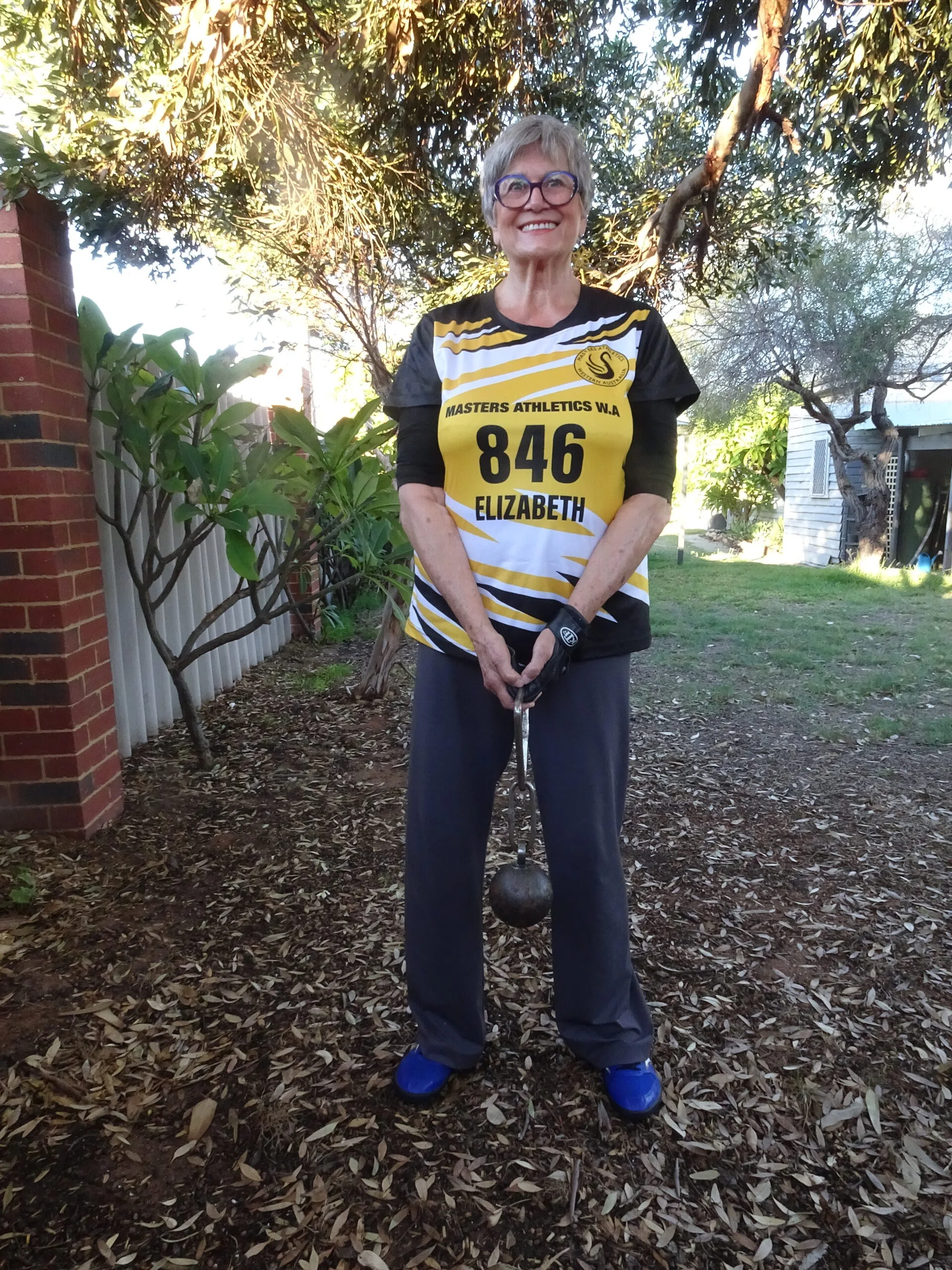
As she grew, we embraced our new life enjoying beach days, city walks and laughter over cake in cafes.
I even opened my own childcare centre and eventually returned to my career as a psychologist.
Life no longer felt uncertain. It felt ours.
Then in 1995, someone handed me a flyer for the Masters Games – a sporting event for people over 30.
Aged 40, something stirred inside me. So I bought two discuses and went to an oval.
‘What are you doing, Mum?’ Joanna asked.
‘I used to do this,’ I replied, swinging my arms back and forth and slinging a discus into the air. It soared before landing with a solid thud.
‘Wow!’ Joanna said.
‘Mum’s still got it,’ I laughed to her.
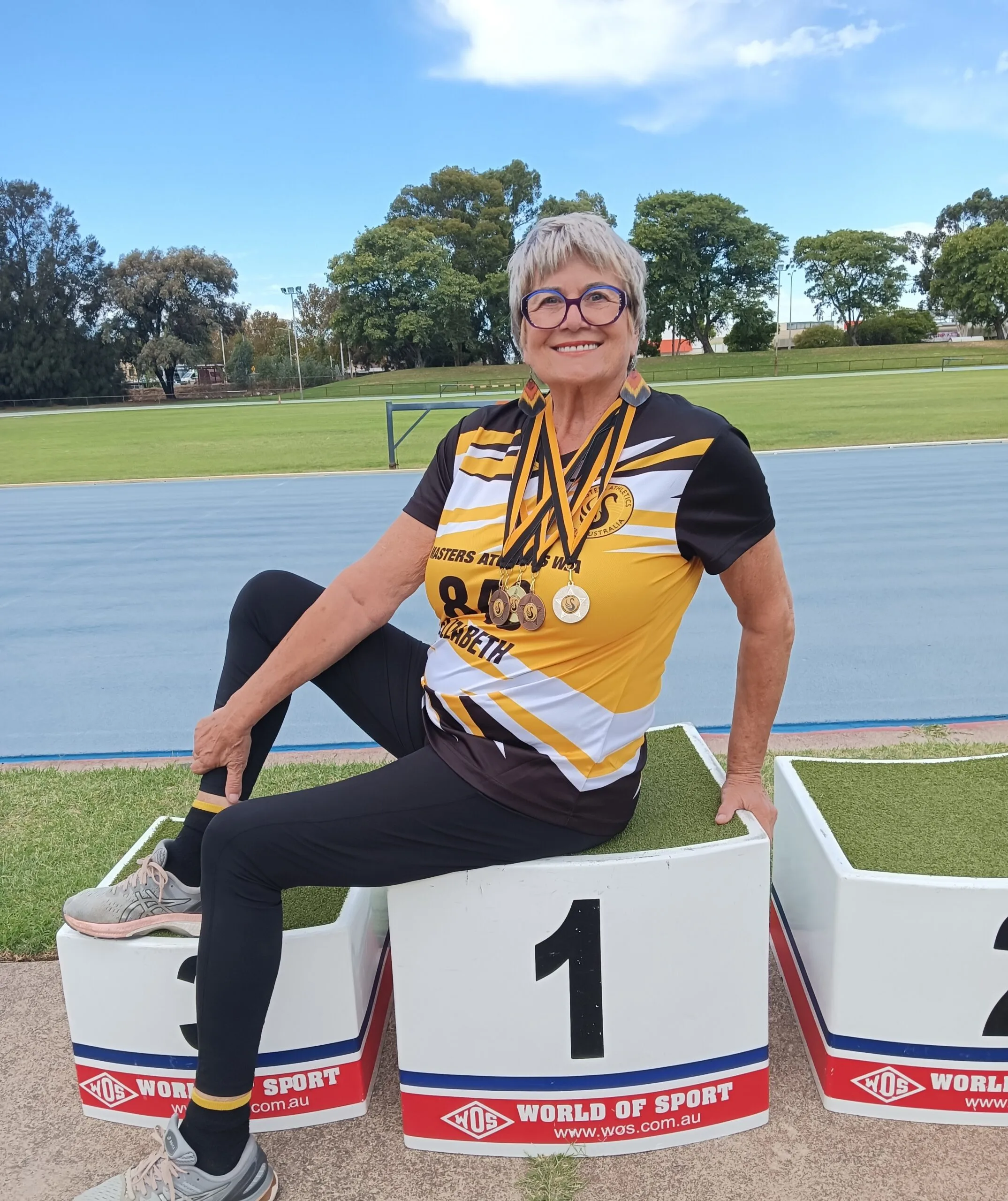
Registering for the Australian Masters Games, I stepped onto the field in Melbourne, an unknown competitor.
Instead of nerves, I felt a quiet confidence. ‘You belong here,’ I whispered.
With my cheer squad of one, Joanna, cheering from the stands, I competed in discus and shot put – and came third.
‘You got a medal, Mum,’ Joanna beamed.
It felt so good.
I joined a club, trained hard and rediscovered my strength.
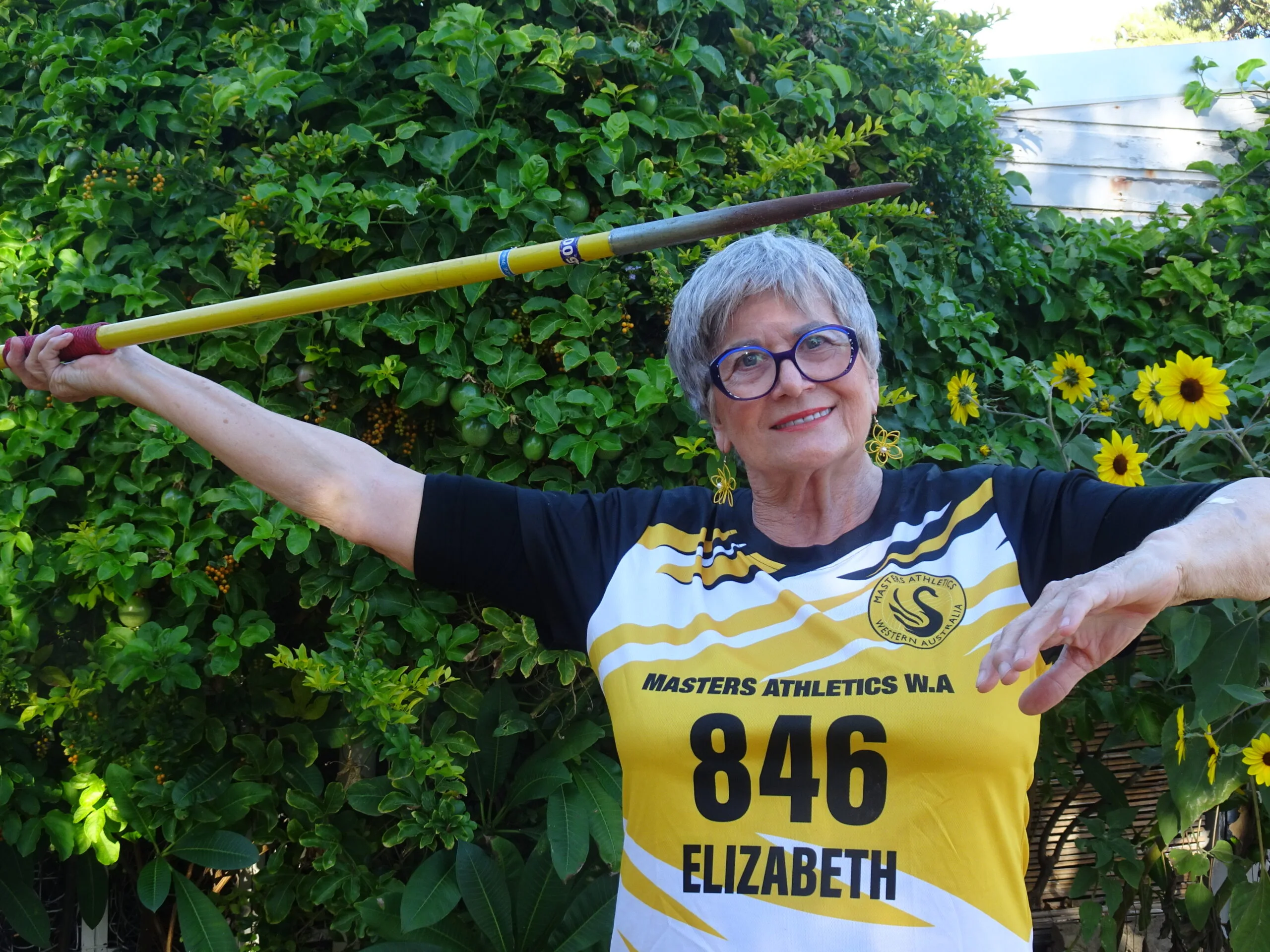
While discus and shot put came naturally, I taught myself how to launch a javelin and learned to hammer throw by practising with a rock in a stocking so I could take part in those events too.
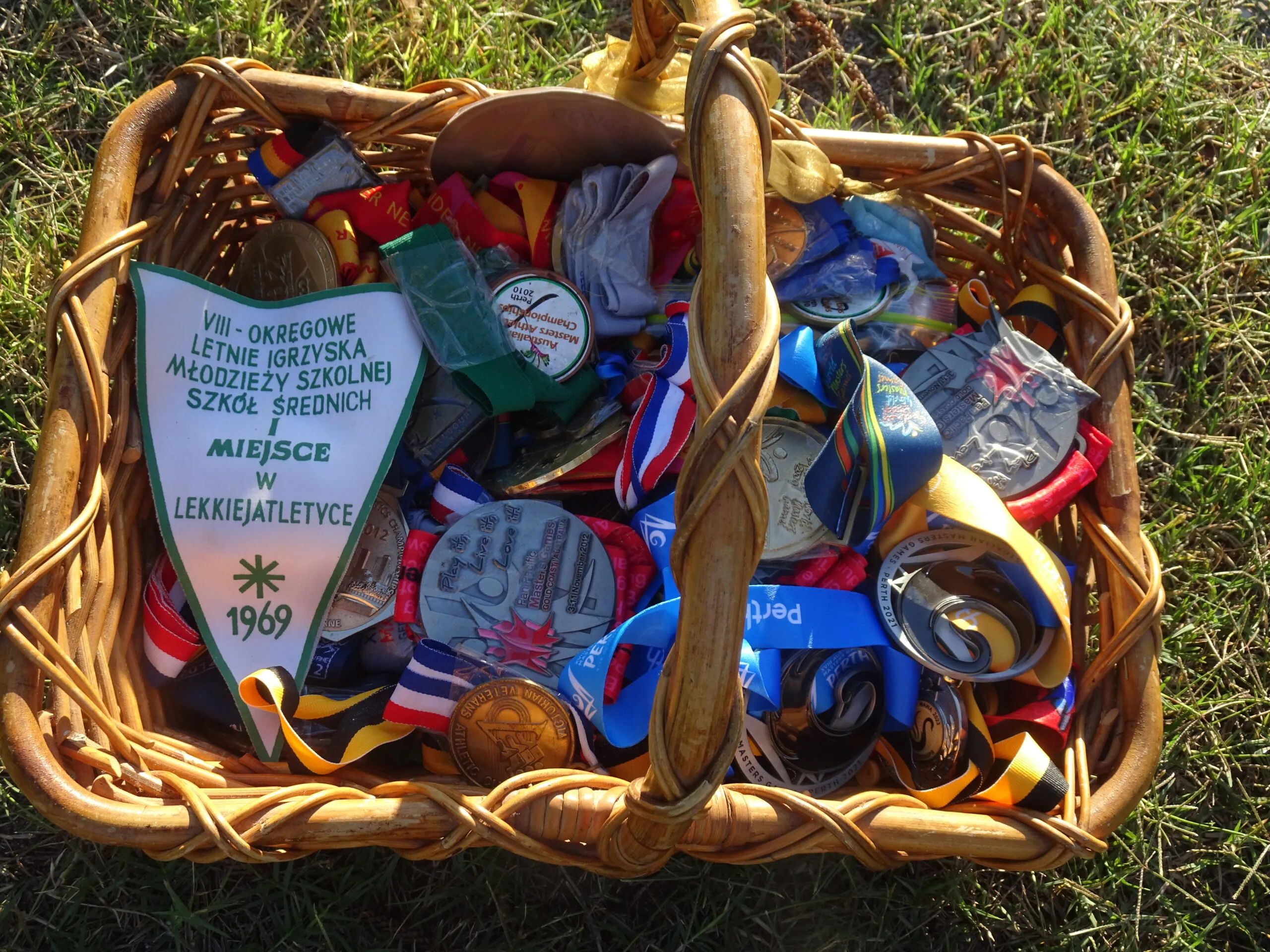
After that, I competed in competition after competition, and now, aged 75, having won 191 medals, I’m ranked among the top Masters athletes.
I’d been determined to build a better life for me and Joanna, now 41. That wish came true.
While I’ll never return to Poland, I’m thankful for that day in the school gym.
I believe someone was looking out for me, giving me the strength to face tough challenges.
Life doesn’t always go as planned but wherever you come from, you can achieve your dreams.
I arrived in Australia with no idea what the future held. Now I understand why it’s called the lucky country.
It certainly has been lucky for me.

