

- When Sahar Khalili, 37 , from Melbourne, Vic, landed a job at her local grocery store, she couldn’t help but notice the mountains of edible food being wasted
- Hoping to minimise her landfill, Sahar decided to give dumpster diving a go
- Since her first dive, Sahar has saved thousands of dollars in groceries and 152 kilos of food from landfill!
Here Sahar tells her story in her own words.
Pushing two trolleys over owing with baked goods to the bin, my heart sank.
This is so wasteful, I thought, disheartened. It was February 2019 and, working in the bakery department of my local supermarket, I cooked up to 200 loaves of bread and bakery items such as scrolls and finger buns daily.
Each morning though, many of the freshly baked goods from the day before ended up in the bin, as per company policy.
After three months at the supermarket, I landed a job as a business analyst. It was like a grocery store – only free But I couldn’t stop thinking about all the waste that was happening across the country.
Researching online, the results shocked me.
According to OzHarvest, Aussies waste 7.6 million tonnes of food each year – 70 per cent of which is perfectly edible.
‘Do people actually do it?’
Reading on, I learned the top five most wasted foods are fruit and vegies, bread, bagged salads and leftovers.
Thinking back to how much food I’d thrown away from just one department of the supermarket, the stats seemed to check out, especially if every store in the country did the same.
I need to minimise my impact, I realised, vowing not to over-shop and to use any leftovers from every meal I prepared.
Researching more ways I could reduce my waste, I came across a Facebook group for dumpster divers – people who take items (mostly food) that’s been thrown away in skip bins by companies.
Do people actually do it? I wondered.
But others in the group assured me they did, and had never eaten better.

READ MORE: ‘Family’s thrifty tips: ‘We’ve saved $75,000!’’
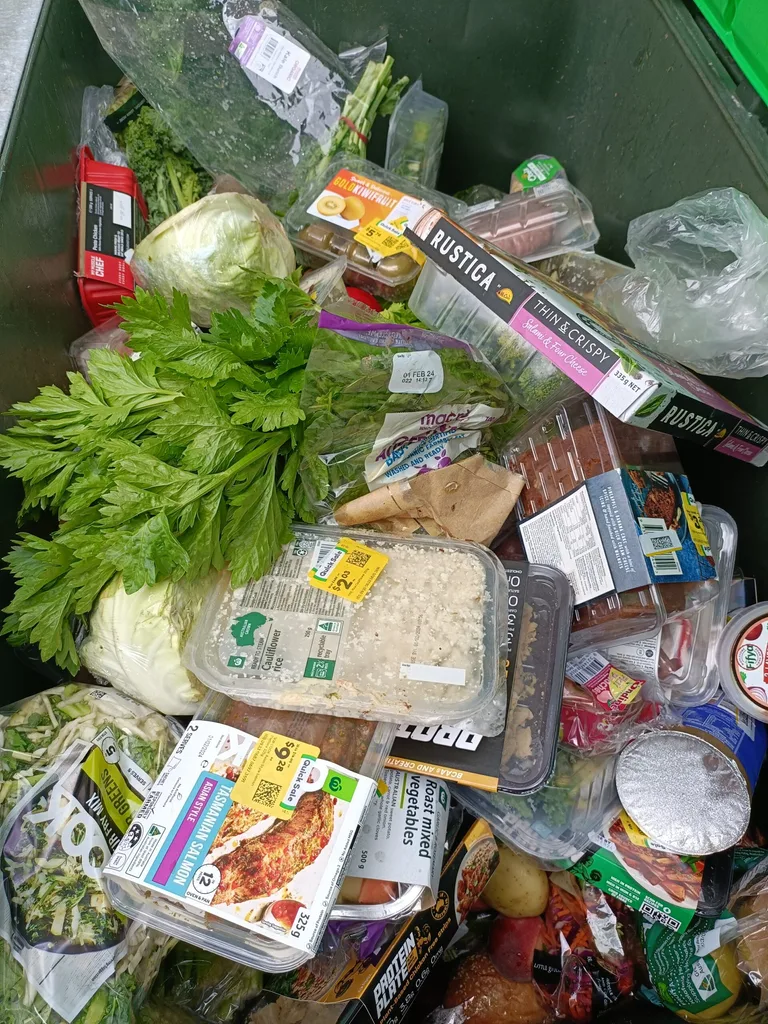
We eat like kings from the bin, they told me.
Reading their advice on food safety and diving etiquette, including ensuring that accessing the bins wasn’t breaking any trespassing laws, I felt ready to give it a go.
Others in the group also warned against taking products that smelled off, such as meat and dairy, and encouraged newcomers to check for expiry dates and make sure vacuum seals were intact to avoid getting sick.
That night, feeling slightly apprehensive, I waited until dark before driving to my local supermarkets where I discovered several skip bins that were unlocked.
Reaching inside, I had high hopes of stumbling across a bounty of food.
‘I don’t want to put everything back in the bin.’
After a few minutes of rummaging, I only found mountains of cardboard. Back home, I asked members of the online group what I’d done wrong. Be consistent, a few people replied.
So two days later, I decided to give it another go.
And to my surprise, it was a goldmine!
Diving into the bin this time was like walking into a grocery store – only everything was free!
Tubs of cold yoghurt, ice cream, salmon steaks and brie cheese that were still edible, were piled high.
Some had been thrown out due to damaged packing. I also got a bag of fresh zucchini and a box of green pears.
Another supermarket bin was filled with jars of tahini and turmeric paste.
READ MORE: ‘How this thrifty mum halved her grocery bill’
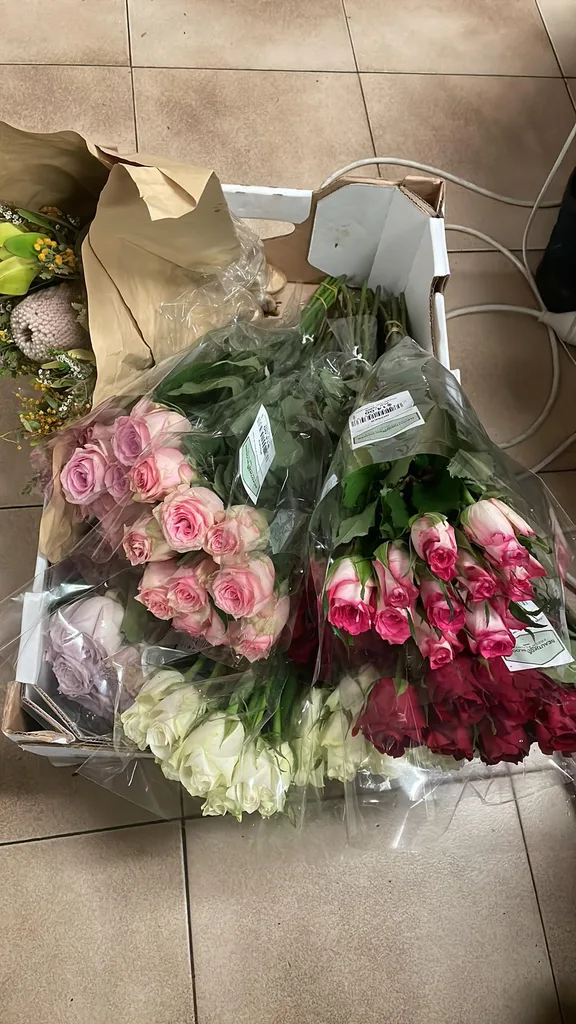
And at a third stop, I found new homewares including saucepans, as well as toothbrushes, soap, shampoo and plastic wrap. Lugging my haul to the boot of my car, I couldn’t believe my luck.
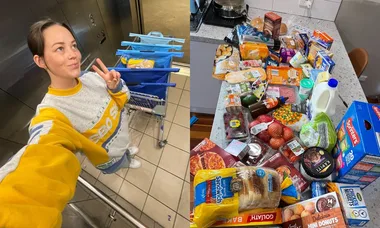
At home, I gave everything a wash and laid it on the table. ‘I’ve got enough ingredients to last me three weeks,’ I told my mum on the phone. ‘Don’t go telling people you’re dumpster diving,’ she said, embarrassed.
But it didn’t stop me. I was proud of the food I’d saved from landfill, and wanted to challenge the social stigma.
Diving into four bins every two days, I had more food than ever before. But as I lived alone, I soon realised I wouldn’t be able to eat it all myself.
‘Everything you’re about to eat is courtesy of the bin.’
I don’t want to put everything back in the bin, I thought. I just need more people at my table.
Inviting my friends over for a dinner party, I set out dips, chips, cheese and salami on the table, and cooked up a storm of lamb shanks, roasted vegies and pasta, all of which I’d found dumpster diving.
Before everyone dug in,
I came clean with where the ingredients came from.
‘Everything you’re about to eat is courtesy of the bin,’ I explained.
‘Is it fresh? Am I going to get sick?’ some questioned.
‘I wouldn’t serve you anything I wouldn’t feed my own mum,’ I answered.
Looking for a way to share the food surplus with my local community, I started a Facebook group.
READ MORE: ‘We turn trash into cash’
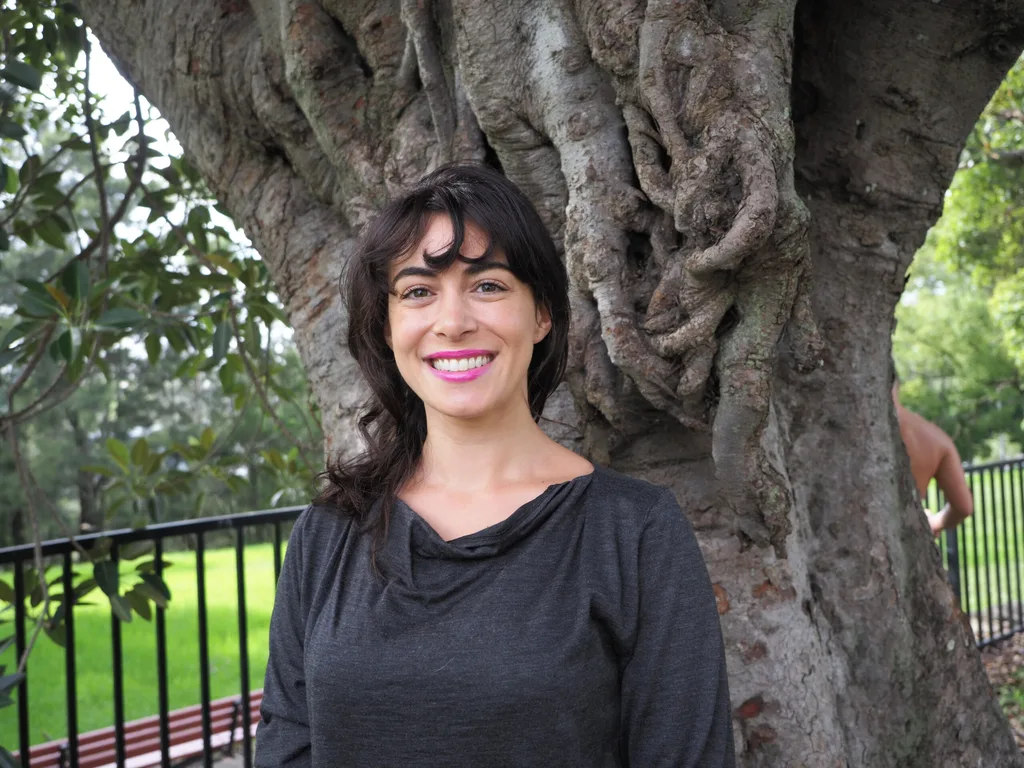
In a year, our members grew to 1000. Incredibly, in 2022, we’d saved 152 kilos of food from landfill.
Using an online waste calculator, we learned it was the equivalent to 26 days of electricity consumption for one household! Before my dumpster diving days, I was spending up to $150 on groceries every week.
Now, four years since my first dive, I haven’t bought a single grocery item, and I’ve saved around $32,000.
It’s become a challenge to see how long I can last before needing to walk into a supermarket again.
If there’s anything special I need, I ask members if they’re happy to swap.
Does anyone have toilet rolls to swap for a bag of zucchini? I asked one day.
And despite reservations, Mum has come around to trying bin food.
It’s my dream that one day no business will throw edible food into a bin, and we can end food waste.