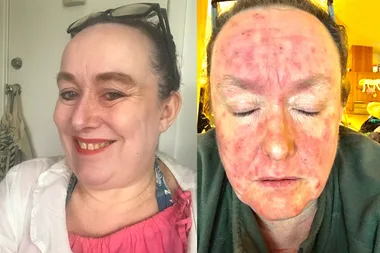


- After a rare reaction to medication caused Stevens–Johnson syndrome, a 32-year-old mum lost 70% of her vision and became legally blind, raising her sons by touch and memory for more than two decades.
- In 2017, she became only the third person in Australia to undergo a groundbreaking tooth-in-eye transplant, a complex surgery that uses a patient’s own tooth to anchor a new lens.
- Months later, she miraculously regained sight in her right eye, seeing her husband, her sons, and her young granddaughter clearly for the first time in 21 years.
Here Heather Pozzobon, 61, Shepparton, Vic tell her own story in her own words.
Gathering around the birthday cake, I watched my son Nathan splutter a big raspberry over his candle to blow it out.
It was Nathan’s first birthday and my husband, Victor, then 39, and I were revelling in parenthood.
I often found myself staring at Nathan lovingly – our boy was as cute as a button.
A week later in October 1995, then 32, I woke up covered in a rash.
Living with lupus – an autoimmune disease – I had an appointment that day for a routine check-up and pointed out the outbreak.
‘I think you should go to hospital,’ my GP insisted.
Victor looked after Nathan while I took myself off to hospital.
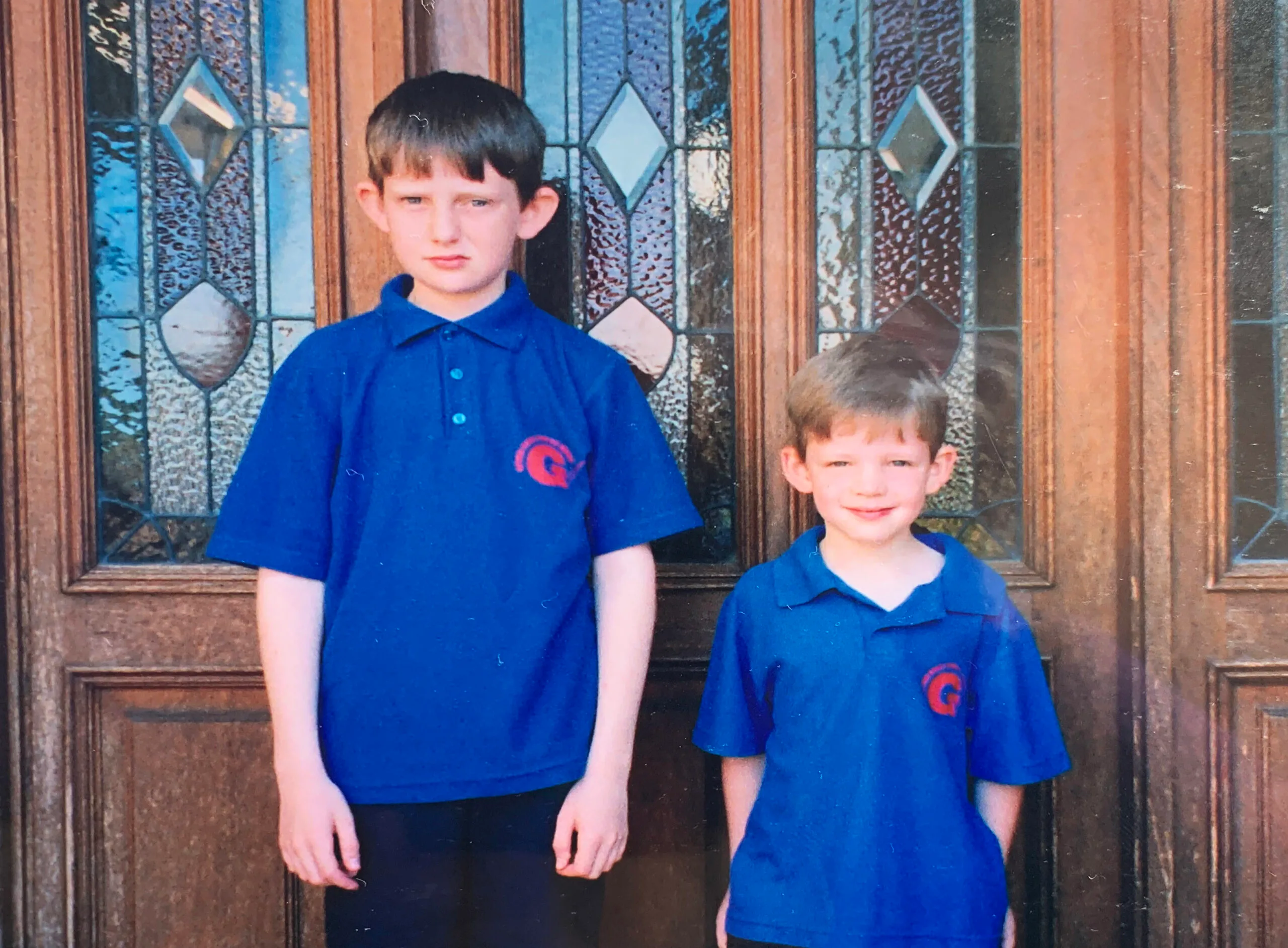
As I waited to be seen, angry blisters the size of 50 cent pieces erupted all over my body.
By the time I was examined they’d spread up my nostrils, down my throat, in my ears, around my eyes and on the inside of my eyelids.
Tests revealed I had Stevens-Johnson syndrome, a rare, serious disorder of the skin, usually triggered by a reaction to medication or an infection, where symptoms include a painful rash followed by blisters.
I was treated with drops for my throat, nose and eyes, and salt baths to heal the blisters, and given morphine for the pain.
As my blisters scabbed over and my skin shed from head to toe, my eyes healed enough so I could open them again.
Then after 10 days in hospital, glancing at the bedside table to check the time, I could barely see.
When the specialist came in, I was sick with worry.
‘Complications from the syndrome can include visual impairment,’ the specialist told me.
Angry blisters the size of 50 cent pieces erupted all over my body.
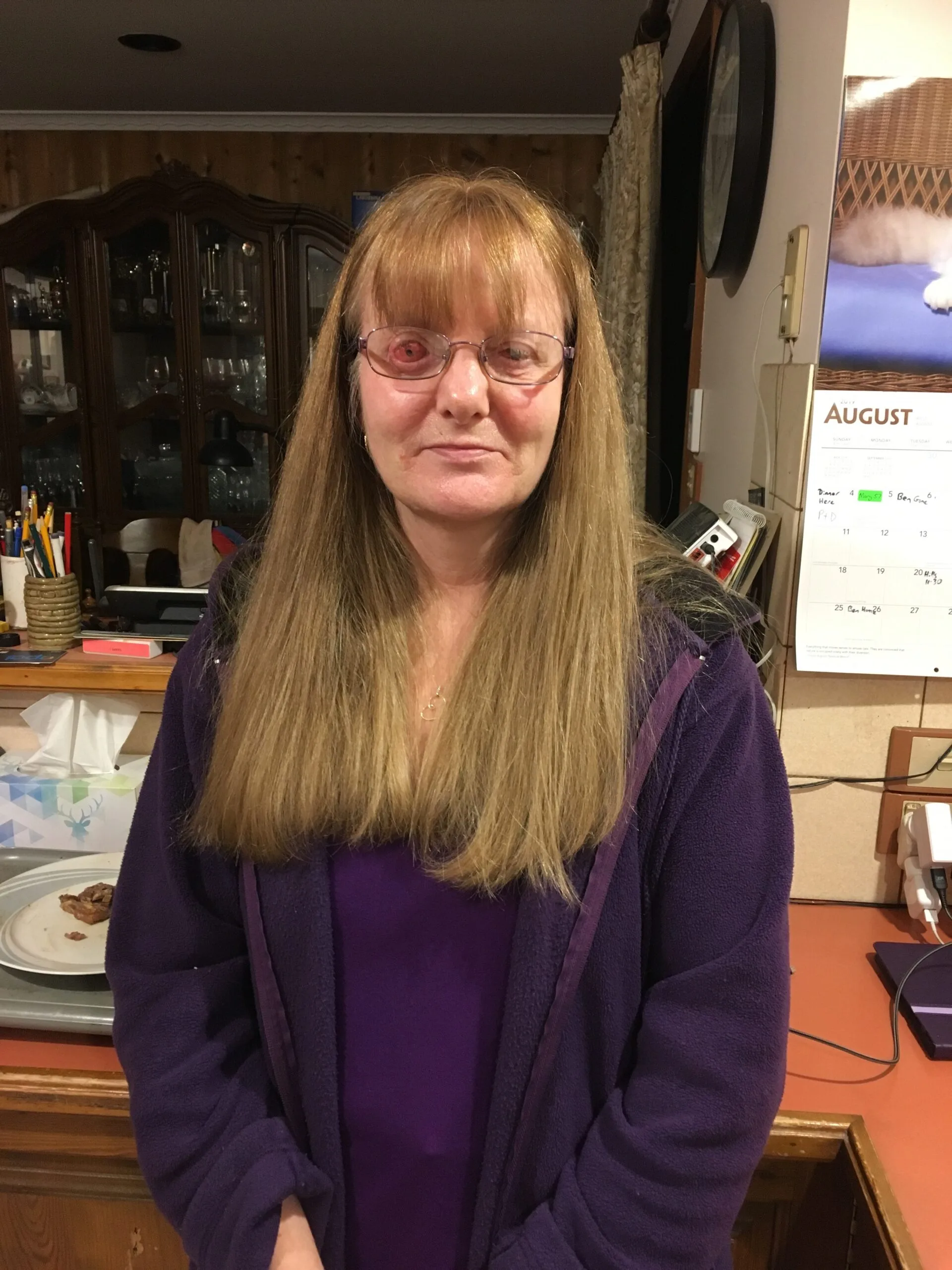
Then came more crushing news.
Scans and tests revealed I’d already lost 70 per cent vision in both eyes.
I was legally blind.
‘I’ll never be able to see my little boy’s face again,’ I stammered.
Not one to feel sorry for myself, I vowed I wouldn’t let my lack of vision hold me back.
Returning home after five weeks in hospital, I managed to get around and do everything that I used to, except drive.
I’ll never be able to see my little boy’s face again
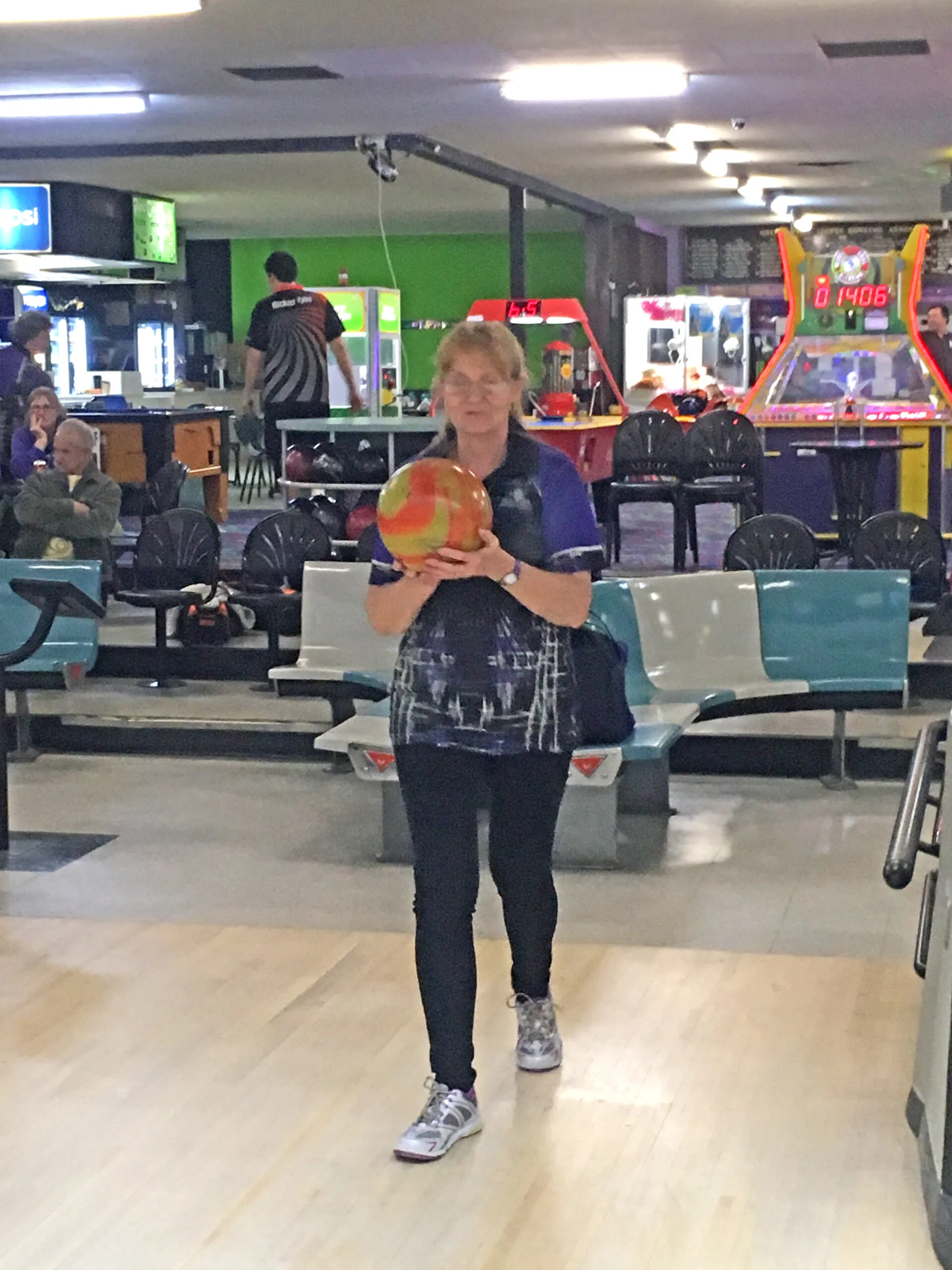
Luckily, Nathan was an easygoing, calm baby and, while there was a lot of trial and error, I found ways to adapt and make things work.
I used my memory to find my way around, and relied on my other senses like smell and touch.
Plus I could still make out shapes and movement.
Five years later, we had another baby boy, Casey.
Later we welcomed our son Ben, 16, who was the same age as Nathan, into the family, too.
It was heartbreaking being unable to see the colour of the boys’ eyes or their cheeky smiles, but I knew what they looked like by using my fingers to trace the contours of their faces.
Sadly though, over the years, monthly optometrist appointments showed my vision diminishing.
For me, life was like looking through a steamed-up mirror.
Come 2017, I had five per cent vision in my left eye and three per cent in my right.
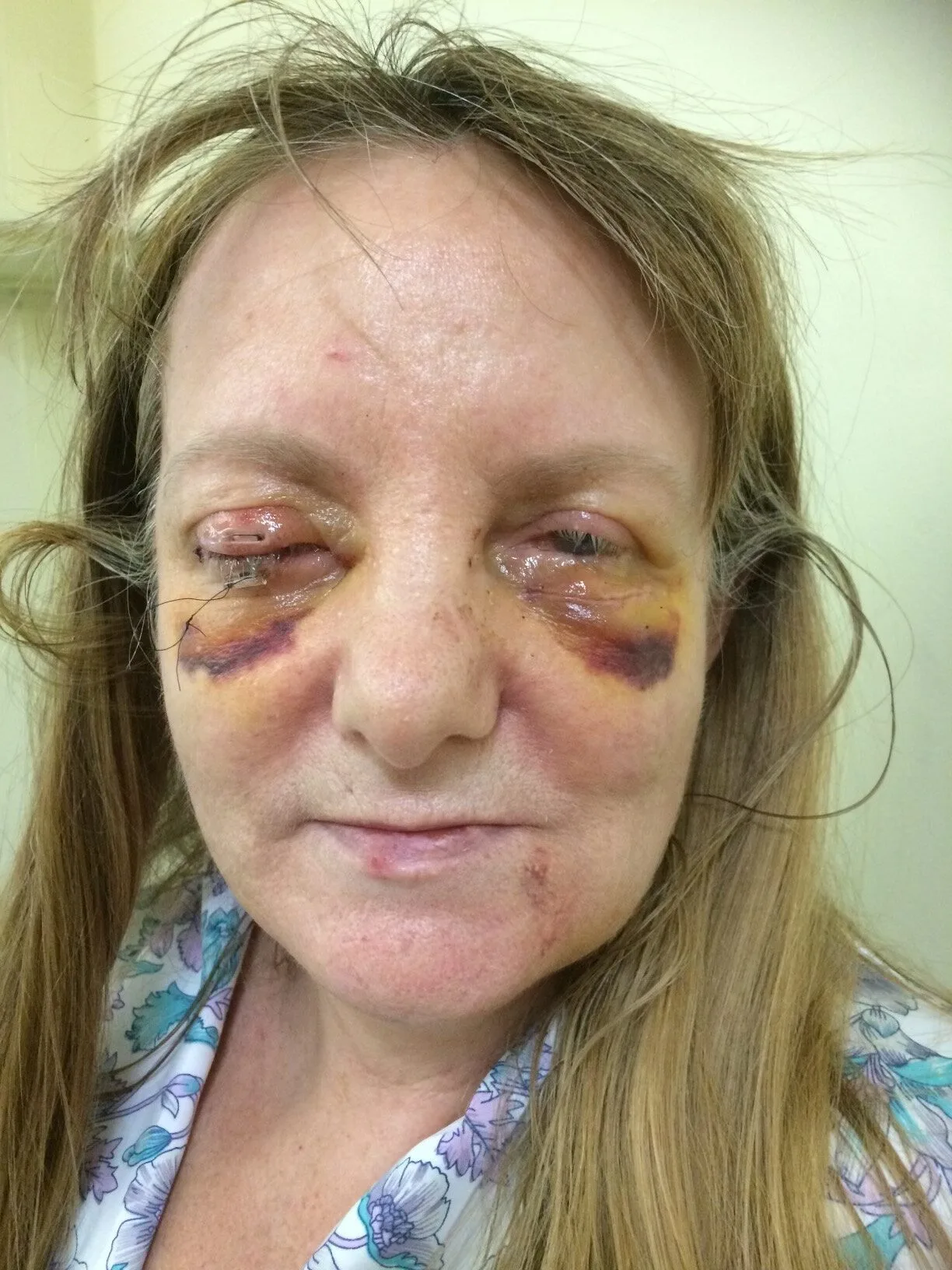
I’d almost given up hope of ever being able to see again when my mum Lyn’s best friend reached out.
‘I read an article in the paper about surgically implanting a tooth in the eye to restore sight!’ she exclaimed.
It seemed impossible but I had to find out more.
Accessing the article, I showed it to my optometrist who contacted the specialist at Sydney Eye Hospital who’d performed the ground-breaking procedure.
Flying to Sydney for a consult, I listened intently as he explained the operation, which was called osteo-odonto keratoprosthesis.
It involved a patient’s tooth being extracted, and a hole being drilled through it, then a plastic lens placed inside.
‘I’d almost given up hope of ever being able to see again’
Next, it was sewn into the patient’s cheek for three months to allow tissue to grow around it and develop a blood supply so the body wouldn’t reject it.
In the meantime, a flap of skin and mucus membrane from inside the mouth are stitched over the eye.
Later, the tooth and lens are removed from the cheek and transplanted into the eyeball and stitched in place. Then an opening is made in the tissue to allow the new lens to reflect light onto the existing cornea.
Miraculously, if a success, the procedure restored sight!
‘You’re an eligible candidate,’ he said, adding, I would be only the third person in Australia to receive the groundbreaking transplant.
While the surgery was high-risk, I trusted in the incredible medical team. But there was just one thing that concerned me – the cost…
‘It comes at a huge price, but you will not be receiving a bill,’ the specialist said.
‘All costs will be absorbed by the Sydney Eye Hospital Foundation.’
My lip quivered with gratitude.
‘I’ve nothing to lose and everything to gain,’ I gushed to Victor.
In October 2017, I was wheeled into surgery for an op on my right eye, which was the weaker of the two with just 3 per cent vision.
Specialists worked on me for 10 hours, removing a canine tooth and embedding it under the skin below my eye socket, then removing the lens from my right eye and stitching it shut.
Waking up with a huge bandage around my head and my jaw, eyes, and nose black and blue with bruising, I was thrilled to learn the surgery had been a success.
Discharged 10 days later, I flew home with Mum, who’d come with me.
I got back into going about the daily grind while magical medical things were happening beneath my cheek, before returning to Sydney three months later.
During the second surgery, it took specialists eight and a half hours to remove the tooth from my cheek and transplant it into my eye.
‘You have a build-up of blood behind the eye which is normal,’ the doctors explained when I came to, adding that when it dispersed, I should regain my sight.
At home five weeks later, I hadn’t been able to see anything when, after rinsing my eyes, I walked into the lounge room and suddenly saw blobs and bright colours on the TV.
‘Victor …’ I squealed as figures danced into view.
‘Oh love,’ he trilled, and I saw him jump up from the sofa and pull me in tight for a hug.
Next day, I could make out even more, albeit with double vision for a few days, but within a week that was gone.
‘Look at the wrinkles on my hands,’ I giggled to Victor.
‘Well, it has been 21 years since you last saw yourself,’ Victor said.
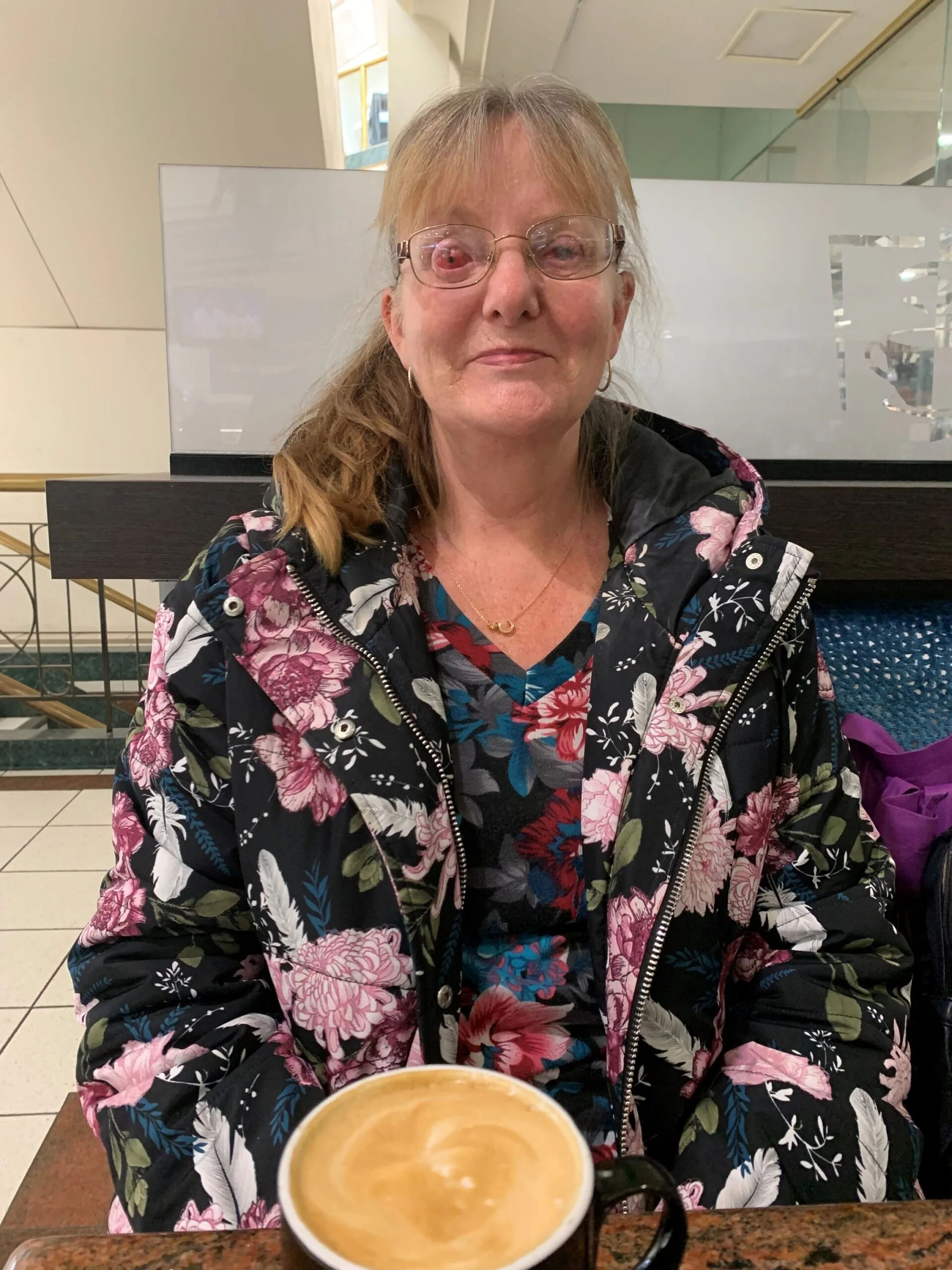
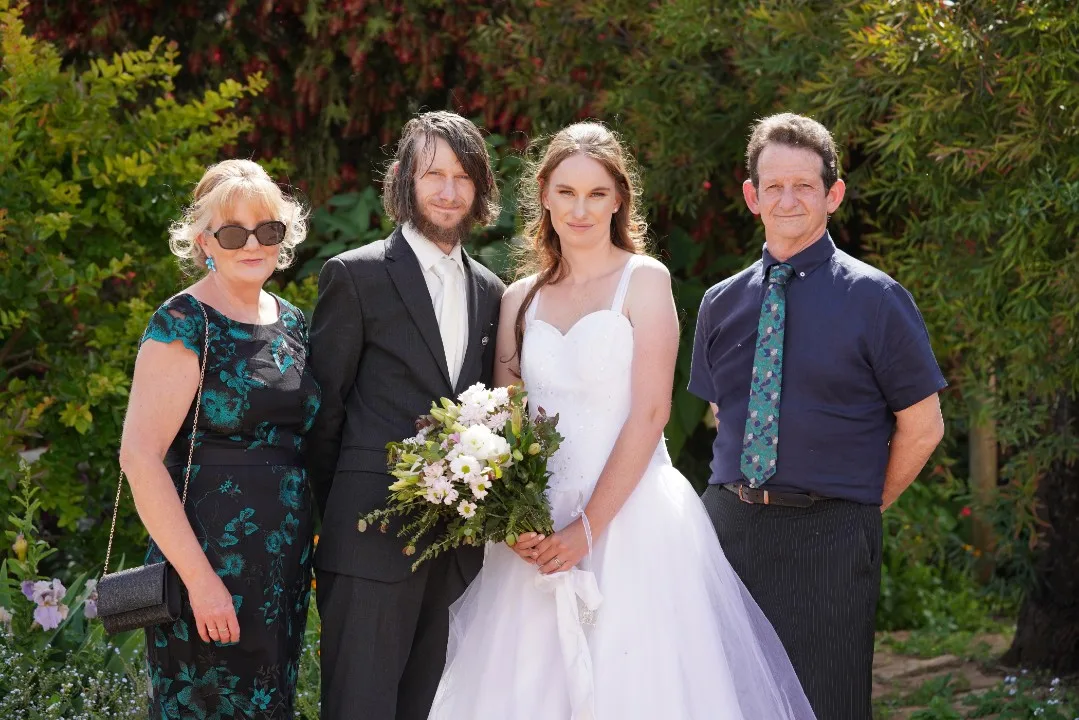
Seeing Nathan and Ben, both then 22, and Casey, 17 – I just stared at them.
‘I’ve dreamed of this moment for so long,’ I said.
Returning to Sydney Eye Hospital, I sailed through eye tests, reading the smallest letters on the chart, counting dots and identifying colours.
Now, while I can see practically nothing through my left eye and need to wear sunnies outside, I’m thrilled to have complete vision in my right eye.
I have three-monthly check-ups and maintenance procedures but, thanks to the miraculous work of the medical team at Sydney Eye Hospital, I’ve been given a second chance at sight.
Never in a million years did I think I’d have a tooth in my eyeball, in fact friends joke and ask if the dentist checks my ‘eye tooth’ too.
The medical world really can perform miracles!
Who would have thought I’d use my tooth to see!
Victor, now 69, and I are back skiing, I can read fine print books, and see the pins to aim for when ten-pin bowling.
When walking around, I no longer bump into glass doors or trip up kerbs. And I can read street signs and see in shop windows.
Most precious of all, I can see my beautiful seven-year-old granddaughter, Remy.
I never thought I’d get my vision back, but seeing really is believing.

Related stories
Native ad body.
Native ad body.
Native ad body.