


- When baby Landon suffered multiple fractures, doctors engaged child protective services to take Kaylee’s daughter into care
- The truth was that Landon had a hereditary disorder caused joint hypermobility and pain led to the injuries
- After 550 days she got her daughter back and now she’s raising awareness about Ehlers-Danlos syndrome, and advocating for the thousands of families worldwide
Here Kaylee Doss, 24, tells her story in her own words
Tracing my fingers over the raised knot on my daughter, Rowan’s tiny clavicle, I frowned.
‘This doesn’t look right,’ I said, showing my husband, Landon, then 25.
At just six weeks old, in June 2022, Rowan had woken in the middle of the night for a feed, and I was sure it hadn’t been there when I’d put her to bed hours earlier.
After inspecting the lump, around the size of a 20 cent coin, Landon agreed it looked suspicious. Thankfully it didn’t seem to be painful.
We had a history of bone issues in the family, so Landon and I rushed her to hospital.
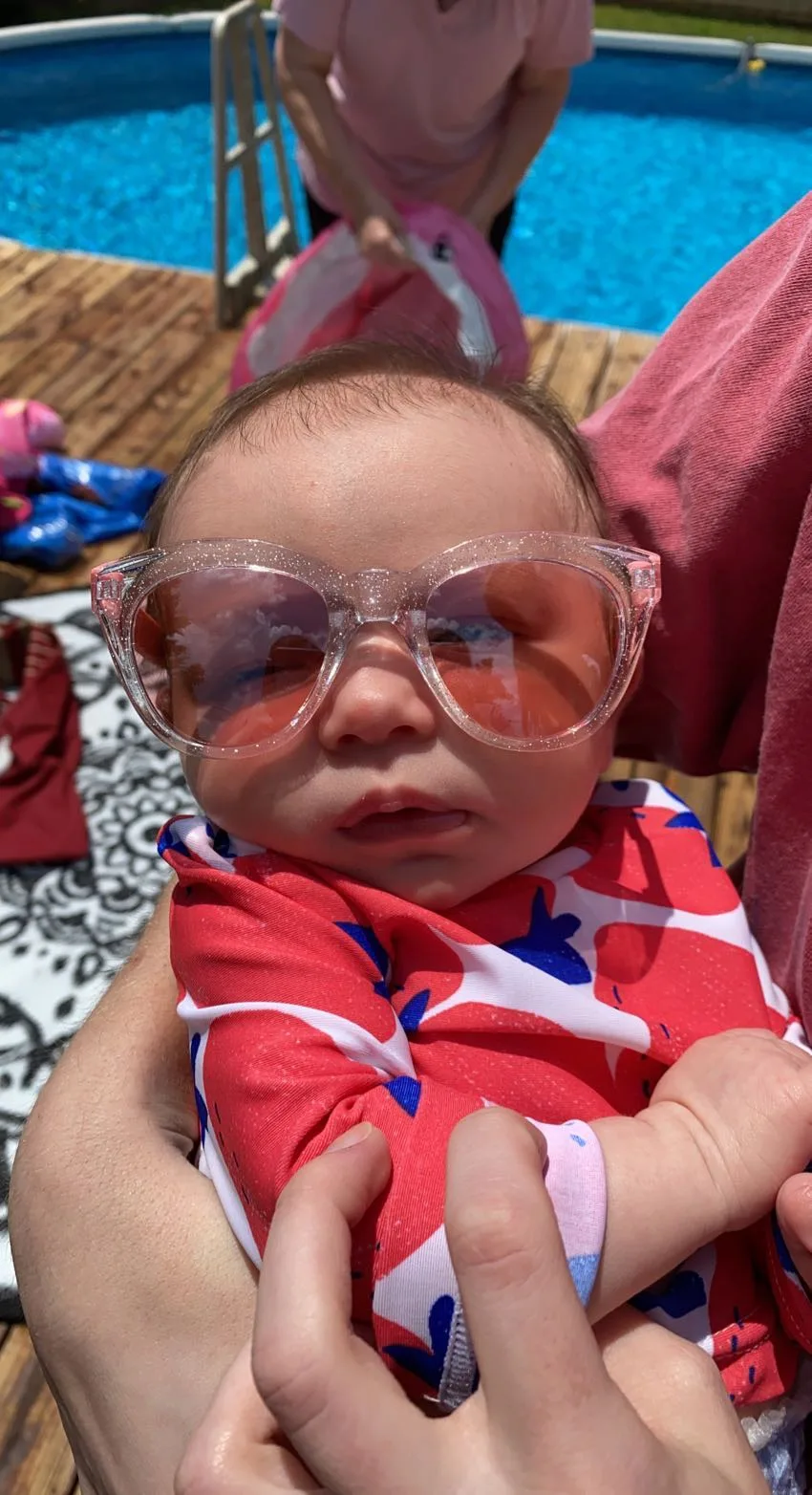
As we waited to see a doctor, I smiled at Rowan. I wonder if she’ll grow up as accident prone as me and my sister? I thought.
Growing up, I’d fractured my ankle and my collarbone playing softball, while my little sister Kat had fractured her ankles over and over.
After doctors inspected Rowan’s lump, she underwent a full body X-ray. Horrifyingly, it showed she had sustained eight to 13 fractures to her ribs, left clavicle, ankle, and had a subdural hematoma on her brain.
‘What have you done?’ a nurse quizzed me. ‘In order for a child to sustain injuries this severe, something serious had to have happened.’
‘What do you mean?’ I reeled. Was she suggesting we’d done something to hurt our baby?
Meanwhile doctors ran blood tests, an MRI, and CAT scans on Rowan.
‘It’s just a terrible mistake,’ my mum Kimberly, then 44, who we lived with, assured us when she arrived.
Still, I couldn’t shake the feeling something sinister was to blame.
Could Rowan have some sort of severe medical condition? I panicked.
Social workers from Child Protection Services (CPS) came to interview me and Landon.
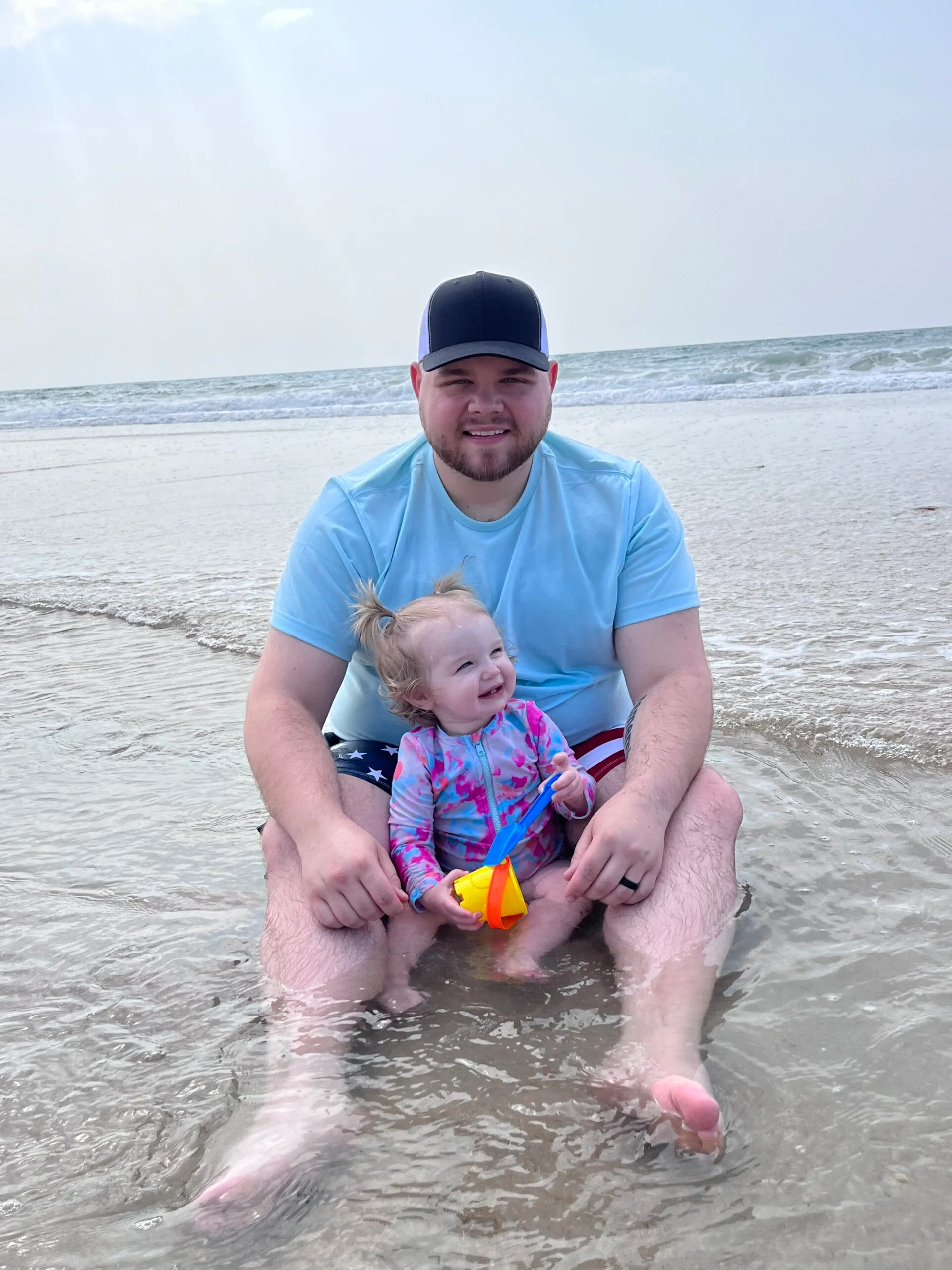
‘Have you got mad or dropped her?’ the questions came.
‘No!’ we said, horrified.
We loved our daughter more than anything.
That evening our lives were turned upside down.
‘We’re putting Rowan into foster placement,’ a social worker told us.
‘Please don’t!’ I gasped through sobs.
When they explained it was possible to place her with a relative, I rang my grandma Sonya, a nurse, and begged her to help.
‘Of course,’ Nana replied in disbelief.
She was just two weeks away from retiring, but handed her badge in that same day to help us.
Weeks earlier, doctors had placed my girl in my arms. Now she’d been snatched straight out of them.
Back in Rowan’s hospital room, tears streamed down my face as I gave her a bottle, when suddenly, a support worker took her away. We were ordered to leave without the chance to say goodbye.
I couldn’t believe, just weeks earlier, doctors had placed my beautiful girl in my arms for the first time. Now she’d been snatched straight out of them.
Back home my arms felt so empty without my baby, and physical pain stabbed in my chest. Not knowing who my daughter was with or if we’d ever get her back, I wept. Landon was beside himself.
But deep inside steely determination began to rise – I was determined to bring Rowan home.
While we waited for a judge to grant custody of Rowan to my nana, my girl stayed with a staff member from the hospital.
Thankfully, the approval came just two days later. Additionally, Landon and I were granted daily visitation rights.
Back at Nana’s that day, we were elated to be reunited with Rowan.
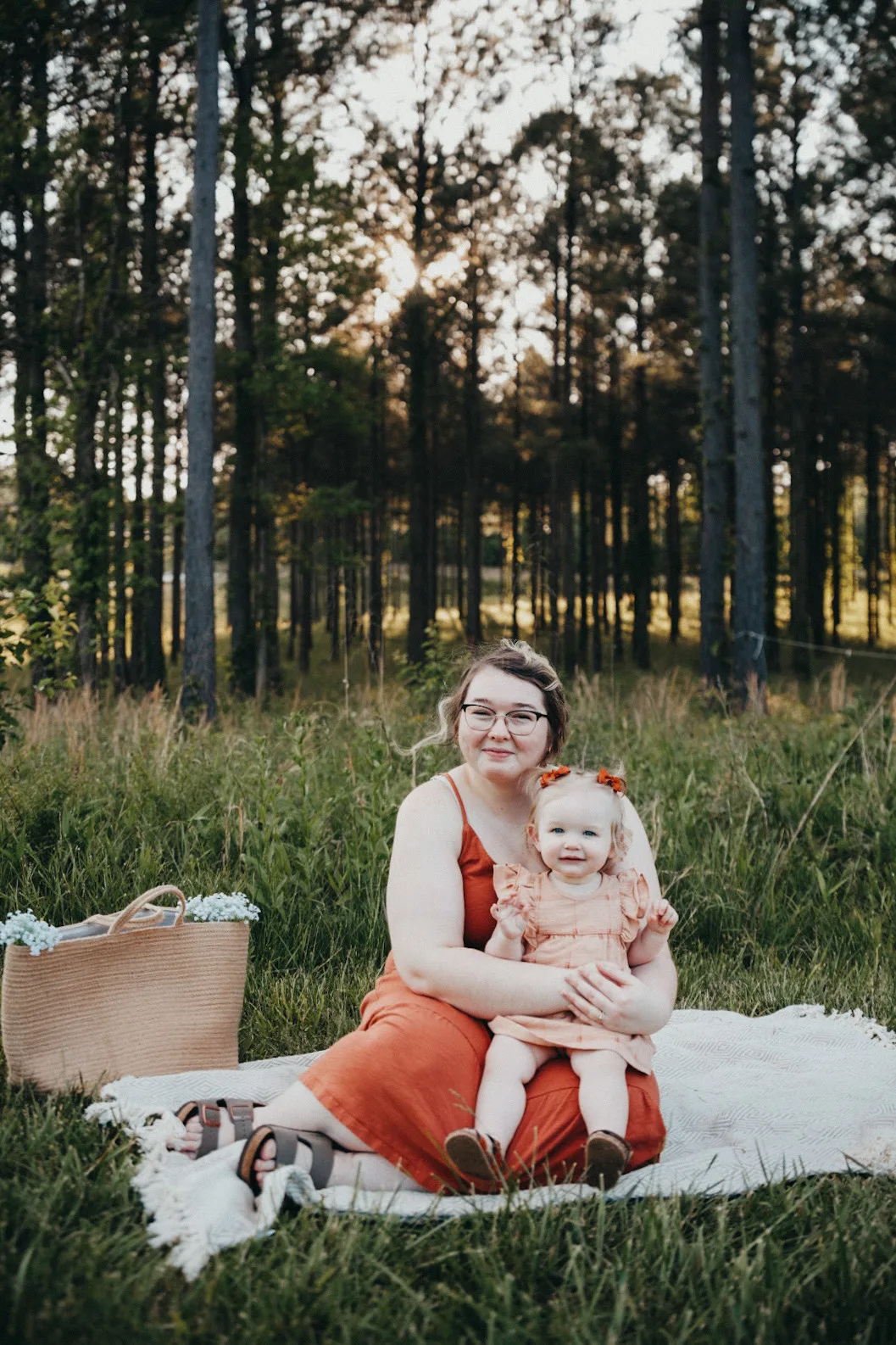
Sharing a family cuddle, we were desperate to take our tiny daughter home.
‘I promise this won’t be forever,’ Nana assured us.
But as the weeks drew into months and Rowan grew, she bonded with Nana and my grandpa, Steven.
I was so grateful to know how well she was being cared for, but I grieved for the baby daughter that I’d lost.
On maternity leave, and with Landon taking time off from work, we went to Nana’s first thing every day to look after our girl.
Poor Nana had been given strict rules and was terrified to even leave Rowan alone with us if she needed the toilet, in case authorities found out.
There were certain things we were restricted from doing, such as taking Rowan outside or giving her a bath. We settled Rowan to sleep at night with Nana watching on, then went home.
Even still, we missed many of Rowan’s milestones, including her first smile, beginning to crawl and then sit up.
What had caused her bones to break?
Sweet Rowan’s fractures had healed, but I was still desperately worried for our girl. What had caused her bones to break?
In court five months later, we had the support of our family and the whole community as we pleaded our case.
‘I don’t take responsibility for hurting her. I want her to have the medical help she needs to find out what’s wrong,’ I told the judge honestly.
But until we could find a reason behind her injuries, Rowan would remain in my grandparents’ care.
As part of the case, we were asked to sign a stipulation, acknowledging that a paediatrician believed Rowan to be an abused and neglected child. It all felt so unfair.
But we were willing to do anything to get our precious girl back.
Each night I’d spend hours researching a possible cause for the injuries, frustratingly drawing a blank.
That was until I came across an academic study about 72 infants who’d fractured bones and had metabolic bone disease-like issues.
They’d all been diagnosed with a condition called Ehlers-Danlos syndrome (EDS).
It’s a hereditary disorder characterised by joint hypermobility and pain.
Bizarrely, the children involved had fractures in the same bones as Rowan.
‘I’ve found the answer,’ I cried to Landon, Mum and my dad, James.
I joined a Facebook group called Parents Behind The Pinwheels for families who had lost their children in similar situations.
And through the group I contacted the paediatrician who had conducted the research.
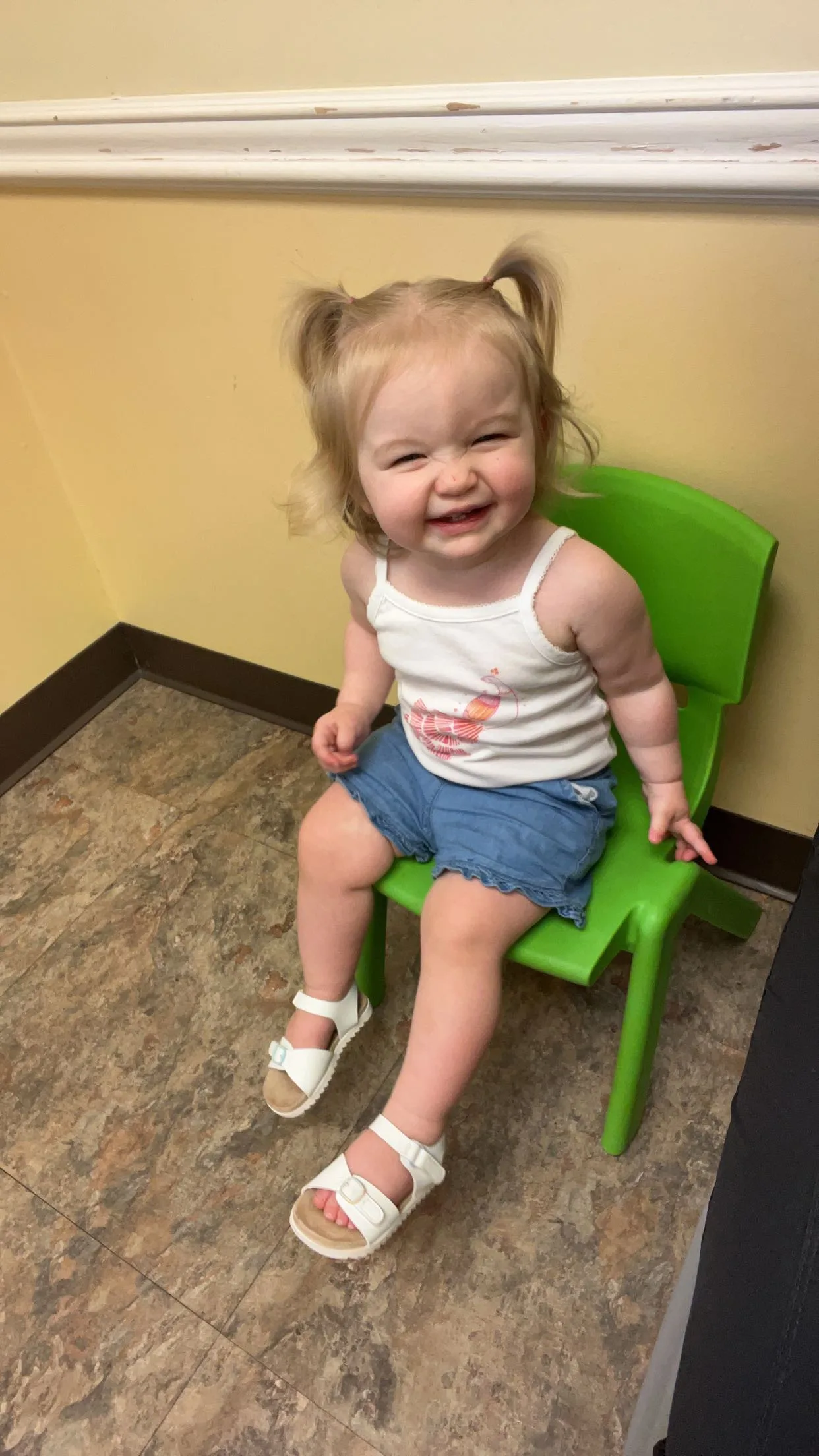
What is EDS?
Ehlers-Danlos Syndrome (EDS) is a group of rare inherited disorders that affect connective tissues—like skin, joints, and blood vessels. People with EDS often have very flexible joints, fragile skin, and a tendency to bruise or injure easily.
Two weeks later, in January 2023, Mum, Landon, Rowan and I were granted special permission to visit the specialist paediatrician Dr Michael Hollick, who’d written the study.
The three of us underwent genetic testing for EDS.
‘You’ve all got it,’ Dr Hollick said afterwards, explaining it was the cause of Rowan’s injuries.
‘Thank you so much,’ I cried.
How is EDS Diagnosed?
EDS is diagnosed through a combination of clinical assessments, family history, and genetic testing (for certain subtypes). It’s often missed or misdiagnosed—especially in babies with unexplained fractures.
As we stepped outside I finally felt like I could breathe.
Discovering I was pregnant the next month, I should’ve been ecstatic. Instead, I was terrified authorities might take my baby away and I kept it secret.
As the months passed, the courts instructed us to take child abuse prevention classes, counselling and psychological evaluations, to prove we could look after Rowan.
We did it all – desperate to get our daughter back.
Our beautiful son Reese was born in October.
Then finally in December 2023, 550 days after our girl had been taken, our case returned to the family court, in Marion, US.
There, the judge publicly apologised to us for the case taking so long.
She said that we’d proved ourselves as parents and shown we would do whatever it took to get our girl back.
When she awarded us custody again, Landon and I both broke down in tears of relief.
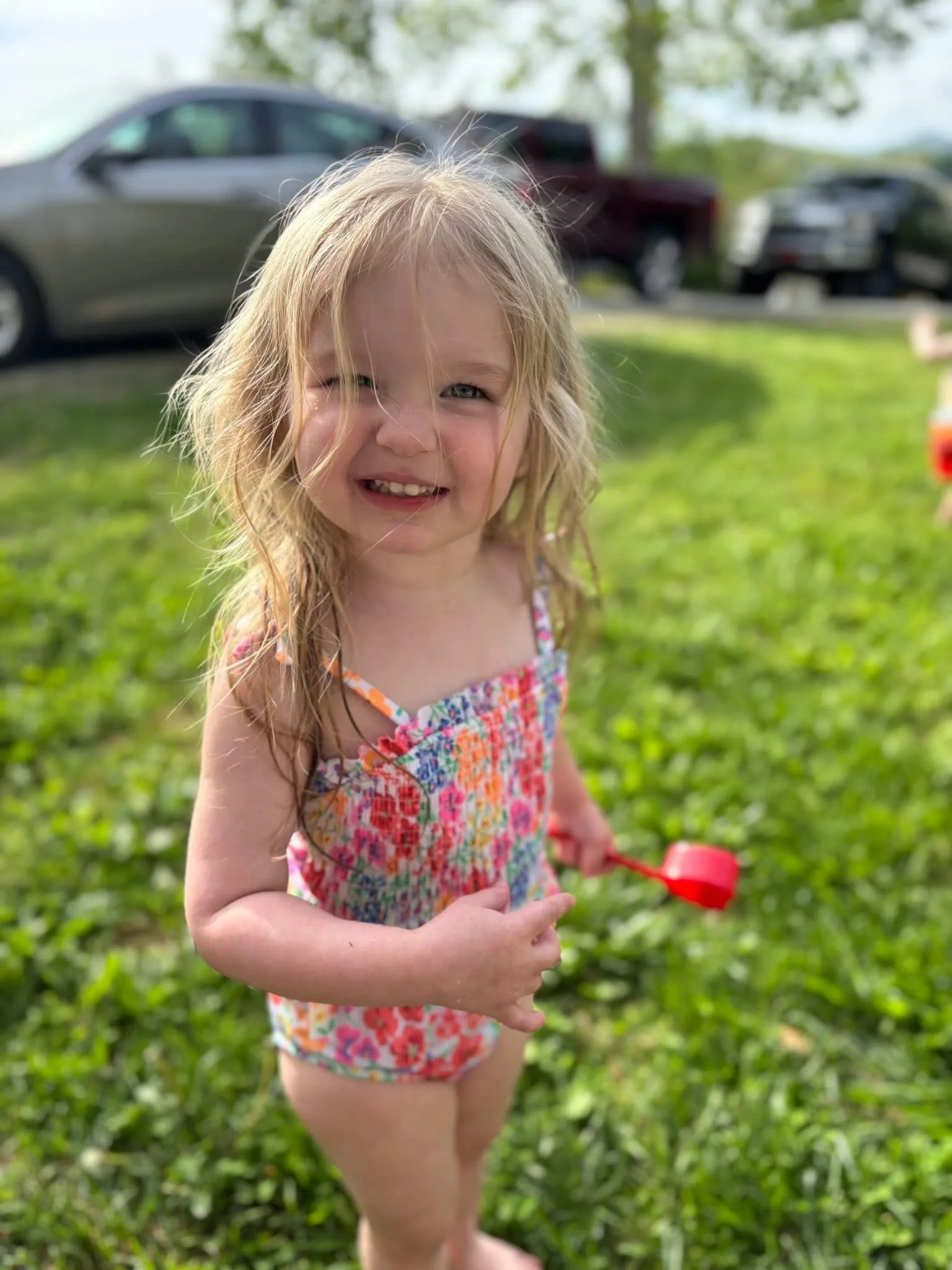
Cradling Rowan, then 19 months old, in my arms beside her baby brother, Reese, I could scarcely believe she was finally home.
Today, 19 months since Rowan, now three, was returned to us, we thank our lucky stars every day.
How is EDS treated?
- Physical therapy
- Pain management
- Supportive devices (e.g., braces)
- Monitoring for complications (especially for vascular types)
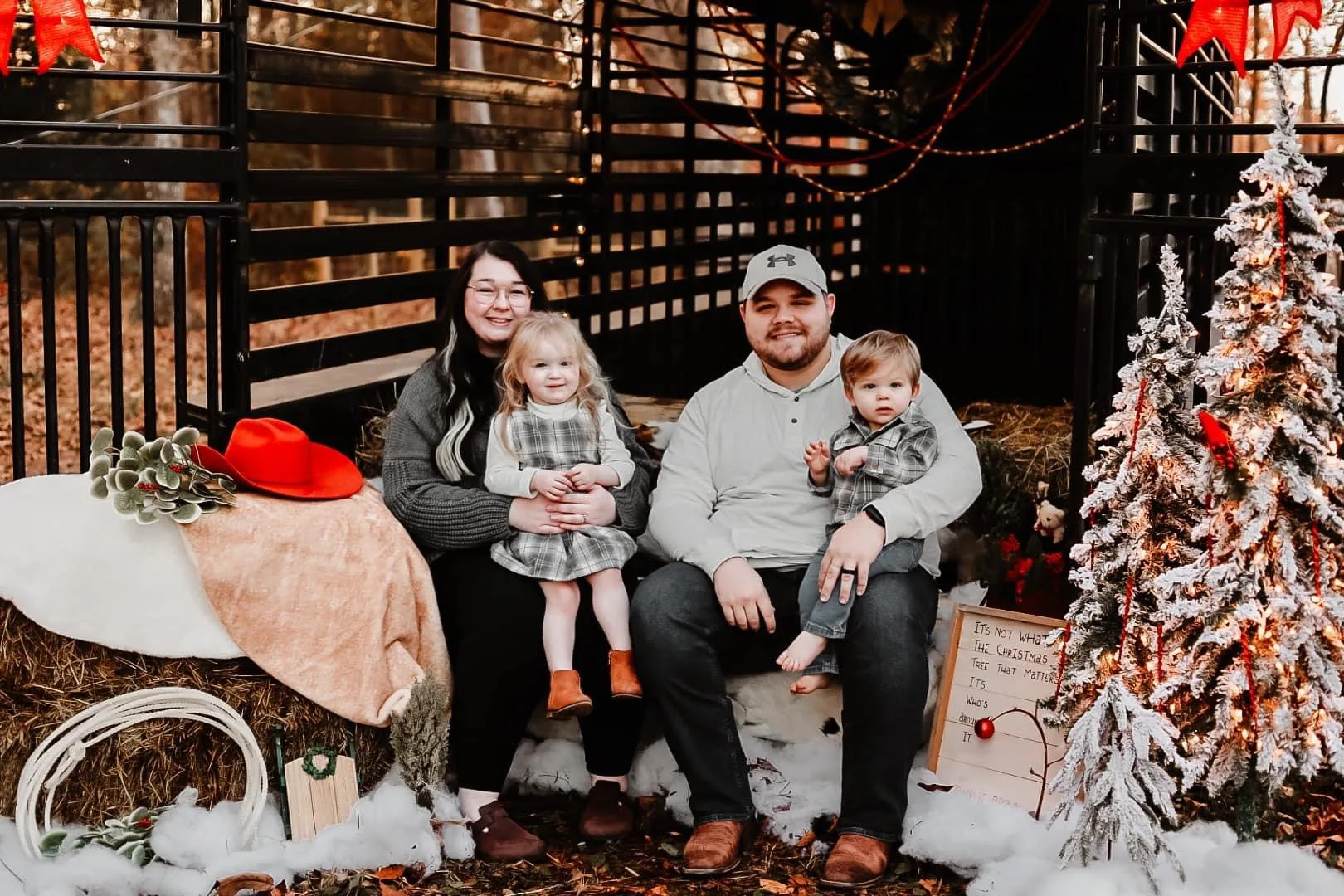
Although it took time for her to adjust to different surroundings, and nights without Nana, her separation anxiety has improved.
But she hates it when I leave for my job as a hairdresser.
Rowan has also started physical therapy, and wears ankle braces for support, as does Reese, now 20 months, who it’s believed may have EDS too.
He will be tested when he’s older.
Rowan is my brave little warrior.
She’s incredibly smart and very loving, always giving us cuddles.
She loves horseback riding and swimming, which help her low muscle tone.
After all we’ve been through, I’m so proud of how she’s grown – she takes everything in her stride and you wouldn’t even know the challenges she’s faced.
I’m passionate about raising awareness of Ehlers-Danlos syndrome, and advocating for the thousands of families worldwide who have lost children as we did.
We’ve been to hell and back, but I’d do it all again to be with my girl.

