

There are many things we inherit from our families – eye colour, skin tone, hair type, trauma. Generational trauma – sometimes referred to as intergenerational or ancestral trauma – is psychological and emotional damage inherited from past generations.
It stems from traumatic experiences, such as war, genocide, slavery, abuse or systemic oppressions. While later generations may not directly experience these traumas, the impact of them can affect families for generations.
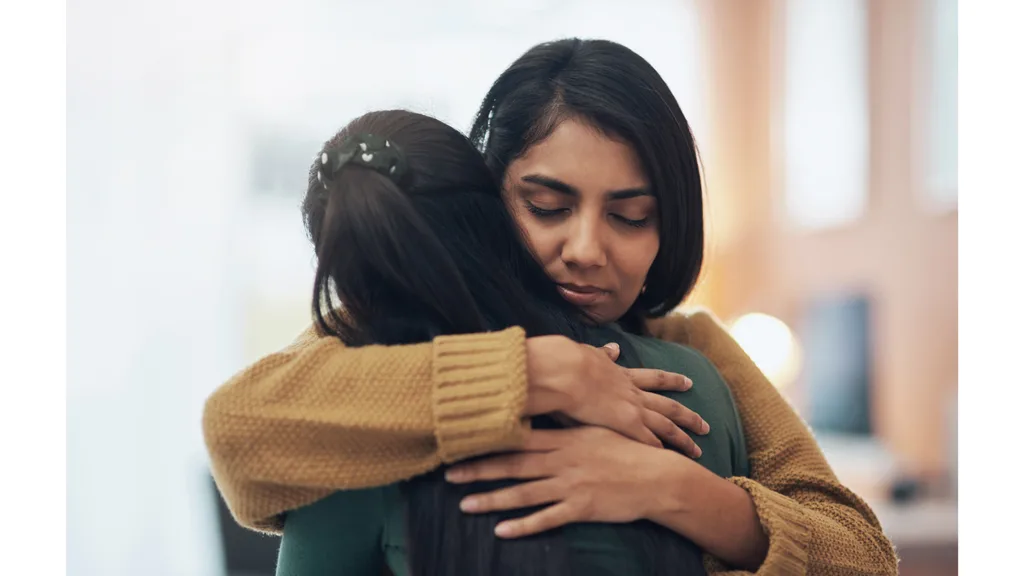
Recognising Generational Trauma
Generational trauma can manifest in a variety of ways:
- Emotional: Anxiety, depression, hypervigilance, and feelings of guilt and shame that seem unrelated to anything in your life.
- Relationships: Trouble forming and maintaining healthy relationships due to trust issues, emotional detachment and toxic cycles.
- Parenting: Strict, fear-based parenting, which is influenced by previous traumas within the family.
- Health Issues: Anxiety can lead to chronic illnesses such as high blood pressure, autoimmune diseases and substance abuse.
- Culture and Identity: Feelings of displacement, and a difficulty connecting to your cultural background.
Finding Hope
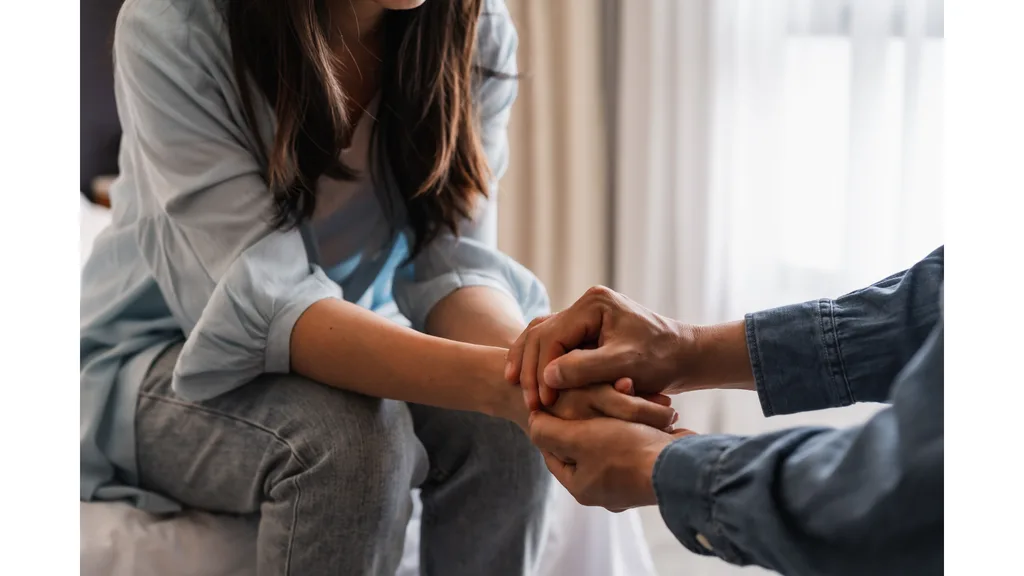
The good news is that you can overcome generational trauma. The first step is to acknowledge and understand the trauma by delving into your family’s history. Seek professional help in the form of counselling, and work to break toxic cycles by identifying toxic behaviours and beliefs, and setting boundaries with family members if their behaviour is unhelpful or damaging. Develop healthy coping mechanisms, such as meditation or journaling, and practice self-compassion and patience.
Healing from generational trauma can take time, so surround yourself with supportive people and acknowledge your progress, even if it seems small.
If you or anyone you know needs support, contact Lifeline on 13 11 14 (Australia) or 0800 543 354 (New Zealand). For family and domestic violence counselling, call 1800 RESPECT on 1800 737 732 (Australia) or Shine on 0508 744 633 (New Zealand).